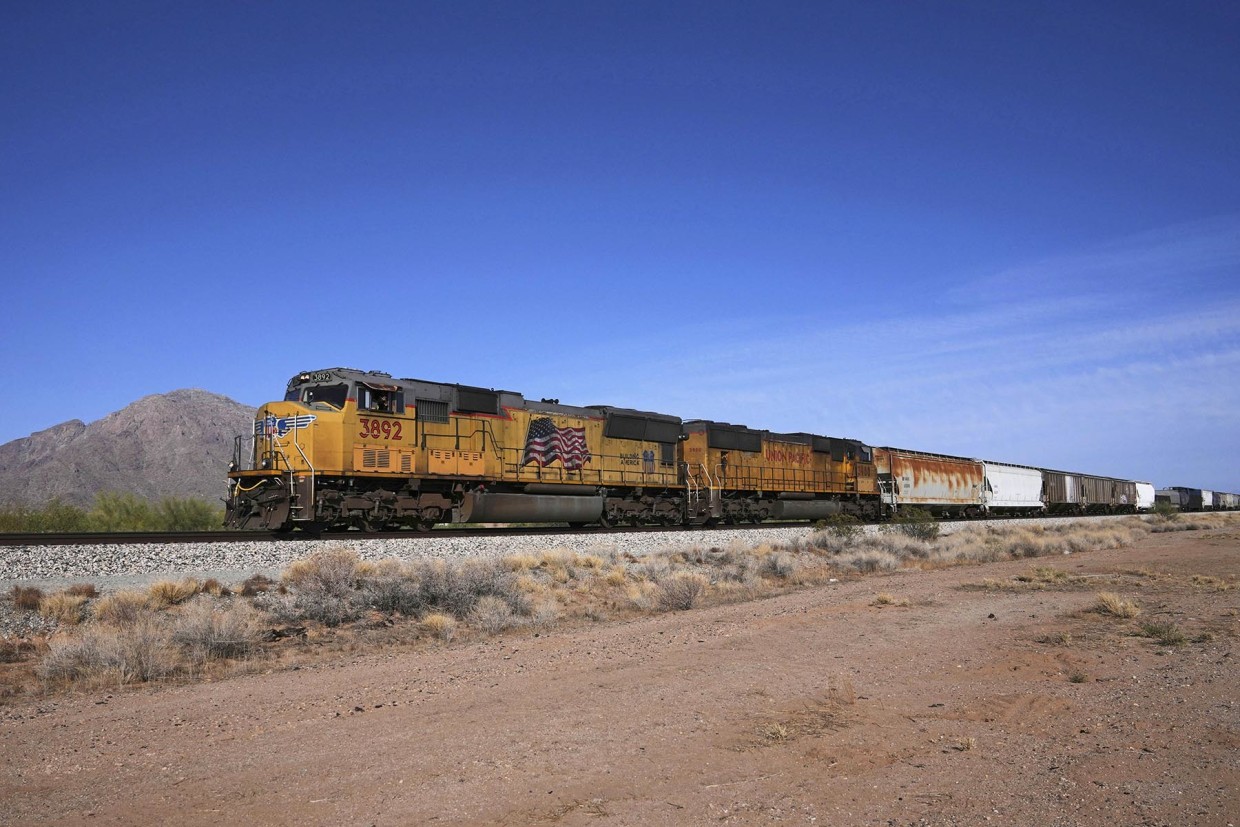

In a pivotal decision set to transform the U.S. rail sector, Union Pacific has decided to purchase Norfolk in a historic agreement priced at $85 billion. This merger represents one of the most substantial deals in the history of American railways, indicating a major change in the transportation and logistics arena as the need for freight efficiency consistently increases.
The merger, which is pending regulatory approval, is anticipated to form an integrated rail network with broader coverage, upgraded infrastructure capabilities, and increased operational efficiencies across the continental United States. The unified organization seeks to optimize coast-to-coast rail services, minimize transfer delays, and address the rising demand for sustainable transportation options within a competitive freight landscape.
Union Pacific’s decision to pursue this acquisition comes amid rising pressure within the rail sector to modernize services, address supply chain vulnerabilities, and meet increasing e-commerce and industrial demands. By integrating Norfolk’s extensive operations in the eastern U.S. with its own expansive western network, Union Pacific is looking to offer more comprehensive service options to clients across key industrial corridors.
The two firms are renowned for their significant influence in different parts of the country—Union Pacific in the West and Norfolk in the East—making the merger a strategic extension without major service redundancy. Leaders from both companies have highlighted the harmonious aspects of their activities, forecasting more seamless freight transfers and decreased congestion at essential points.
Once completed, the merger is anticipated to result in savings of billions over the coming ten years, mainly by optimizing infrastructure, eliminating redundancies, and collaborating on technological advancements. Union Pacific also intends to take advantage of Norfolk’s advancements in digital automation and eco-friendly locomotive technology to further its sustainability objectives.
While the acquisition might offer advantages, it is expected to undergo thorough examination by regulators, labor unions, and industry figures. There are concerns about antitrust issues, particularly since the transaction will bring substantial freight volumes under one corporate entity. In the past, major rail mergers have frequently encountered opposition due to concerns over diminished competition, higher costs, and possible effects on employment.
To address these concerns, Union Pacific has committed to engaging transparently with federal agencies, including the Surface Transportation Board (STB), and to upholding competitive practices. Company representatives have stated that no immediate layoffs or facility closures are planned and that the merger will instead offer long-term employment opportunities through network expansion and infrastructure development.
From a wider economic viewpoint, the agreement highlights the continuous move towards consolidation within the transport industries as firms aim to enhance resilience, optimize service provision, and adapt to evolving global trade trends. As environmental factors become crucial to corporate plans, rail—which already offers a lower-emission option compared to trucking—is anticipated to become an even more critical component in supply chains, particularly for transporting goods across extensive distances.
Investors reacted positively to the announcement, with shares of both Union Pacific and Norfolk seeing a modest uptick in early trading following the news. Market analysts have projected that the combined company could capture a larger market share of intermodal freight, currently dominated by road transport, and position itself more competitively against Canadian rail giants that have already pursued similar consolidation strategies.
If the deal clears regulatory hurdles and proceeds as anticipated, it could close within the next 12 to 18 months. Integration planning teams are already being formed to align technology systems, coordinate schedules, and develop a unified branding strategy for the merged operations.
As Union Pacific embarks on this bold expansion, industry observers will closely watch how the merger reshapes freight logistics in the U.S. and whether it sets a precedent for future rail consolidation efforts. The next year will be crucial in determining whether the promise of greater efficiency, sustainability, and service truly materializes in a post-merger landscape.


