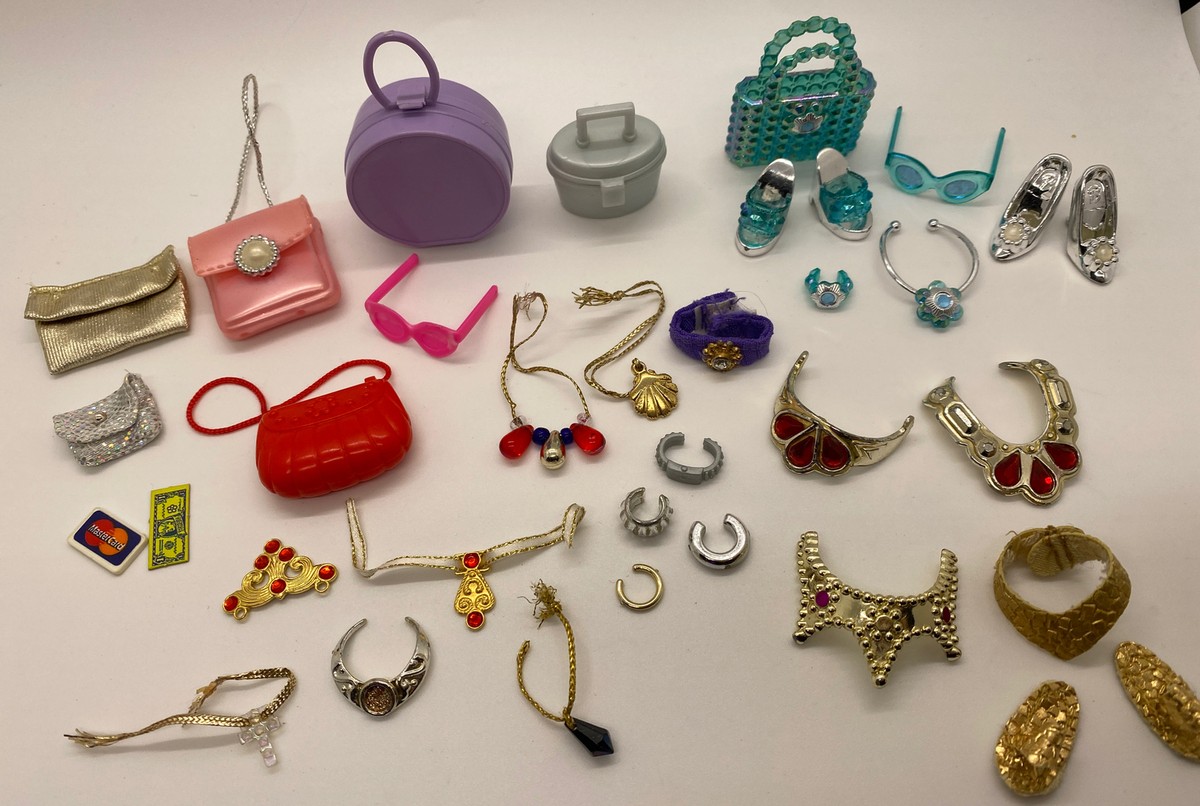

Accessories design represents a specialized branch of the fashion world dedicated to imagining and developing items that elevate both individual style and everyday function. This discipline covers an extensive spectrum of products, including jewelry, bags, belts, shoes, hats, scarves, glasses, and many others. It addresses aesthetic and artistic expression while also taking into account essential practical factors such as materials, manufacturing methods, and overall usability.
The Significance of Fashion Accessories
Accessories serve as essential elements in fashion, often functioning as the ideal finishing touch for any outfit, offering ways to showcase personal style or dramatically alter an ensemble’s overall appearance. Throughout history, accessories have signified social standing, identity, and cultural ties; for example, jewelry can simultaneously act as a marker of affluence and a means of personal expression.
The Creative Development Journey
Creating accessories typically unfolds through a series of essential phases:
Research and Trend Analysis: Designers need to stay closely aligned with worldwide fashion movements, cultural shifts, and emerging technologies to anticipate which styles or materials are likely to appeal to consumers.
Conceptualization: This phase involves brainstorming and sketching initial ideas. Designers often seek inspiration from a wide array of sources, including art, nature, history, and technology, to bring unique concepts to life.
Material Selection: Choosing the right materials is crucial for both the functionality and aesthetics of the final product. Materials could range from luxurious fabrics like silk and leather to sustainable options such as recycled metals and vegan leather.
Prototyping: Once the design vision and selected materials are confirmed, designers produce prototypes to evaluate how well the concept functions and resonates, giving them room to refine details prior to full production.
Production: Successful prototypes are advanced to the production stage, which involves collaboration with manufacturers to create the final product. This stage requires careful quality control to ensure the finished accessory meets design standards and consumer expectations.
Case Studies in Accessories Design
A number of designers have transformed accessories design through fresh, inventive methods:
Gucci’s Reimagined Sneakers: With a focus on sustainability, Gucci has launched several lines of sneakers made from biodegradable and recycled materials. These efforts appeal to eco-conscious consumers while maintaining the brand’s high fashion status.
Fossil’s Smartwatches: Fossil has successfully integrated technology with style by developing a line of smartwatches that combine the functionality of wearable tech with the aesthetic appeal of traditional timepieces. This project highlights the increasing convergence of fashion and technology in modern accessories design.
Stella McCartney’s Vegan Leather Bags: Celebrated for her dedication to eco‑friendly fashion, Stella McCartney offers a collection of luxury handbags crafted from vegan leather. Her designs push back against the conventional dependence on animal-based materials in high-end accessories, redefining the standards consumers now anticipate.
The Evolving Landscape of Accessories Design
As the fashion industry evolves, accessories design continues to push boundaries, influenced by technological advancements and shifting consumer values. With growing awareness of environmental impact, designers are increasingly prioritizing sustainability and ethical practices. Innovations such as 3D printing offer new possibilities in customizing and streamlining production processes, making it easier to adapt to individual consumer preferences.
Reflection on the importance of accessories design reveals a dynamic field that blends creativity with functionality, culture with innovation, offering endless possibilities for expressing identity and advancing the fashion industry.