
Soto

Anna Edwards

10957 Posts
What trends are shaping AR glasses and spatial computing platforms?

Exploring the trends in augmented reality technology

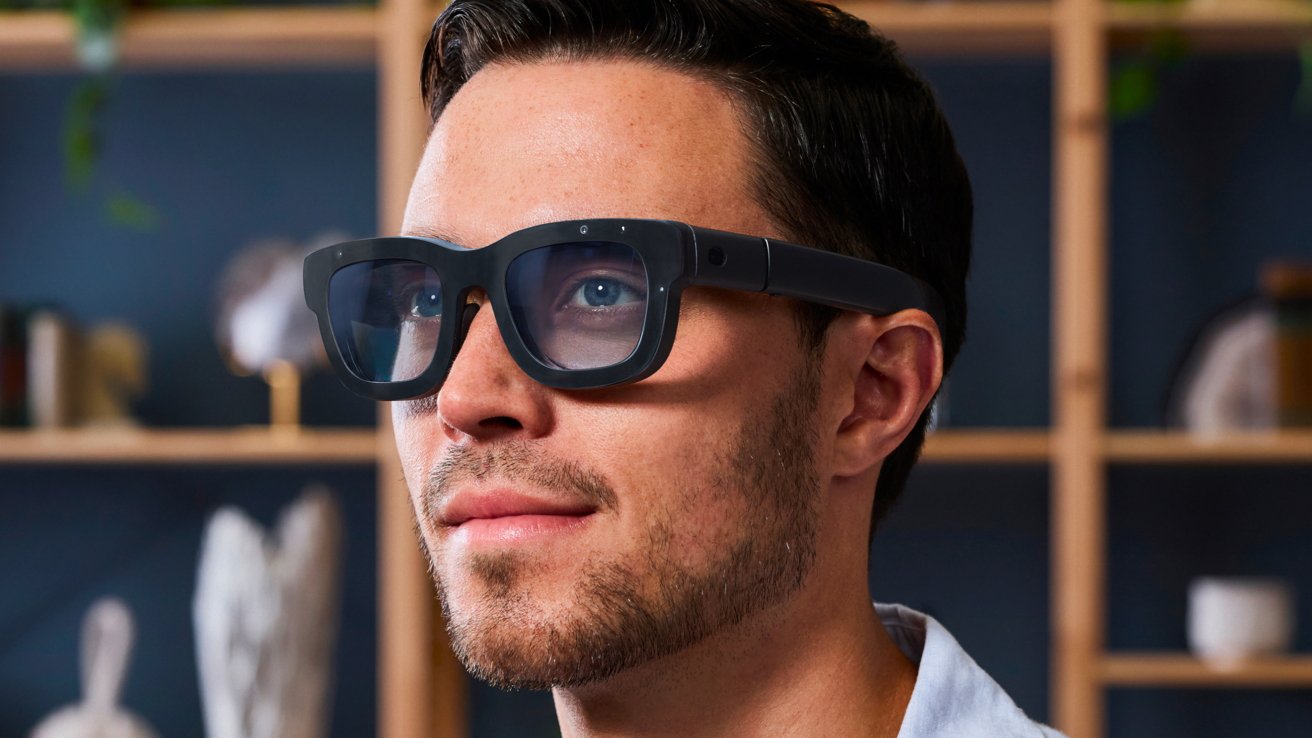
Augmented reality glasses and spatial computing platforms are evolving from niche experimental devices into essential computing instruments, a transition propelled by breakthroughs in hardware miniaturization, artificial intelligence, networking, and robust software ecosystems, all converging to reshape how digital experiences merge with the physical world and transform the ways people work, study, and engage with information.Focusing on Compact Form and Enhanced Wearability in Fundamental DesignOne major trend centers on creating lighter, more comfortable AR glasses that look much closer to ordinary eyewear. Earlier headsets were heavy and consumed significant power, which slowed their adoption. Newer models emphasize improved weight balance, slimmer…

Read More
Germany: CSR cases accelerating energy efficiency and clean mobility in industrial cities

German CSR strategies for sustainable industrial urban development

Germany’s extensive constellation of industrial hubs — long anchored in steel, chemicals, and automotive production — has become a pivotal arena for advancing national climate ambitions. Firms based and operating in regions such as the Ruhr area, Stuttgart, Wolfsburg, Hamburg, and Leipzig are broadening corporate social responsibility (CSR) initiatives that move well beyond philanthropy, aiming to drive gains in energy efficiency and cleaner mobility. Working frequently with municipal authorities and research institutions, these companies are converting strategic commitments into tangible outcomes: decarbonizing plants, electrifying vehicle fleets, expanding low-emission public transit, building charging networks, retraining workers, and fostering circular value systems.Context…
Read More
What trends are shaping AR glasses and spatial computing platforms?

Key trends driving augmented reality innovation

Augmented reality glasses and spatial computing platforms are moving from experimental products to foundational computing tools. This shift is driven by advances in hardware miniaturization, artificial intelligence, networking, and software ecosystems. Together, these trends are redefining how digital content blends with the physical world, changing how people work, learn, and interact with information.Miniaturization and Wearability as Core Design PrioritiesOne major trend centers on creating lighter, more comfortable AR glasses that look much closer to ordinary eyewear. Earlier headsets were heavy and consumed significant power, which slowed their adoption. Newer models emphasize improved weight balance, slimmer waveguides, and energy‑efficient components.MicroLED and…
Read More
5 Lustrous African Fashion Designers Setting The Pace On ...

What makes fashion “designer”?

Designer fashion represents a sophisticated segment of the apparel industry that is defined by creativity, exclusivity, and unparalleled craftsmanship. It transcends mere garment construction, embodying cultural narratives, personal expressions, and the distinct visions of fashion icons and revered brands. This sector is not just about clothing but an art form that showcases the evolution of taste and style through time.Key Traits of Designer FashionExclusivity and Limited Editions: A defining trait of designer fashion lies in its exclusive nature, with many items crafted in restricted numbers or occasionally as singular creations, a rarity that elevates their worth and renders them highly…
Read More
The Race to Build the Best Generative-AI Platform for Fashion ...

Designer fashion: beyond mere apparel, an art form

Designer fashion stands as an elevated realm within the apparel industry, shaped by originality, exclusivity, and exceptional craftsmanship. It rises above simple garment creation, capturing cultural stories, individual expression, and the unique perspectives of fashion icons and celebrated brands. This field extends beyond clothing itself, emerging as an artistic discipline that reflects the ongoing evolution of style and aesthetic sensibilities over time.Key Traits of Designer FashionExclusivity and Limited Editions: One of the hallmarks of designer fashion is its exclusivity. Designer pieces are often produced in limited quantities or even as one-off creations. This scarcity enhances their value, making them coveted…
Read More
Germany: CSR cases accelerating energy efficiency and clean mobility in industrial cities

Germany: CSR cases accelerating energy efficiency and clean mobility in industrial cities

Germany’s dense network of industrial cities — historically centered on steel, chemicals, and automotive manufacturing — is a critical front in meeting national climate goals. Companies headquartered and operating in places like the Ruhr area, Stuttgart, Wolfsburg, Hamburg, and Leipzig are expanding corporate social responsibility (CSR) programs that go beyond philanthropy to accelerate energy efficiency and cleaner mobility. These corporate efforts, often in partnership with municipal governments and research institutions, translate strategy into measurable action: factory decarbonization, fleet electrification, low-emission public transport, charging infrastructure, workforce retraining, and circular value chains.Background and key motivatorsPolicy and targets: Germany aims for greenhouse gas…
Read More
How are digital biomarkers changing health monitoring and diagnostics?

Digital biomarkers: a new era for health diagnostics

Digital biomarkers are objective, quantifiable physiological and behavioral data collected through digital devices such as smartphones, wearable sensors, and connected medical tools. Unlike traditional biomarkers, which often rely on laboratory tests or in-clinic measurements, digital biomarkers are generated continuously in real-world settings. They capture signals like heart rhythm, physical activity, sleep patterns, voice characteristics, typing behavior, and movement dynamics, transforming everyday interactions with technology into health insights.Shifting from Occasional Treatment to Ongoing MonitoringConventional health checkups usually occur sporadically through infrequent clinic appointments and brief diagnostic evaluations, while digital biomarkers move this approach toward ongoing monitoring. Around-the-clock tracking from wearable devices…
Read More
How are zero-knowledge proofs expanding beyond crypto into enterprise uses?

How are zero-knowledge proofs expanding beyond crypto into enterprise uses?

Zero-knowledge proofs, or ZKPs, first emerged within academic cryptography and later entered the public spotlight through blockchain technology and privacy-driven cryptocurrencies. Their fundamental appeal lies in a remarkable idea: a party can verify the truth of a claim without disclosing the data that substantiates it. As organizations confront increasing demands to safeguard confidential information, meet rigorous regulatory requirements, and still operate collaboratively across different entities, this approach is becoming valuable well beyond digital asset ecosystems.A hands-on perspective on zero-knowledge proofsAt an enterprise scale, ZKPs support credible trust while revealing almost nothing. Rather than sharing raw information, organizations can offer proofs…
Read More
What trends are shaping AR glasses and spatial computing platforms?

Why miniaturization matters for AR adoption

Augmented reality glasses and spatial computing platforms are moving from experimental products to foundational computing tools. This shift is driven by advances in hardware miniaturization, artificial intelligence, networking, and software ecosystems. Together, these trends are redefining how digital content blends with the physical world, changing how people work, learn, and interact with information.Prioritizing Miniaturization and Wearability in Core DesignOne of the most influential trends is the push toward lighter, more comfortable AR glasses that resemble everyday eyewear. Early headsets were bulky and power-hungry, limiting adoption. New generations focus on balanced weight distribution, thinner waveguides, and low-power components.MicroLED and advanced OLED…
Read More