Science and Technology

Fotos de stock gratuitas de adelanto tecnológico, automatización, azul

World’s Largest Tech Event: No AI Bubble Fears

The 2026 Consumer Electronics Show in Las Vegas was shaped by breakthroughs in AI, humanoid robotics, and cutting‑edge devices redefining modern innovation. From large-scale robotic systems to next‑generation wearables, the event provided a glimpse into a swiftly shifting technology scene and the strategic commitments companies are placing on artificial intelligence.This year, CES not only displayed an array of devices but also underscored how AI is reshaping entire sectors, redefining products, and changing how people engage with technology. Firms worldwide unveiled their newest breakthroughs, from humanoid robots designed for industrial duties to AI-enhanced home devices, intelligent jewelry, and cutting-edge processors. Though…
Read More
Brain curiosities: why we forget proper names

Understanding Why We Forget Names: Brain Curiosities

Forgetting a person’s name at an awkward moment is nearly universal. Proper names feel different from other words: they slip away while common nouns and facts remain accessible. Understanding why this happens requires looking at how names are stored and retrieved in the brain, how attention and emotion affect encoding, and how age, stress, and language experience change retrieval dynamics.Why proper names stand outProper names are labels with low semantic redundancy. Unlike the word “dog,” which connects to traits, actions, and contexts, a name like “Sarah” has few intrinsic clues linking it to meaning. That sparsity produces several predictable effects:Weak…
Read More
Health Anxiety Explained: Why Information Matters

Health Anxiety Explained: Why Information Matters

Health anxiety—worrying excessively about having or developing a serious illness—is common at varying degrees. For many people the internet, social media, and symptom-checking apps are primary sources of health information. While accessible information can empower patients, it can also amplify and maintain anxiety. This article explains how and why information often makes health anxiety worse, illustrates with examples and data-based patterns, and offers practical strategies for individuals and clinicians.How are health anxiety and cyberchondria defined?Health anxiety can span from brief, manageable concern to ongoing, overwhelming preoccupation that interferes with daily functioning. When online activity transforms the search for reassurance into…
Read More
Primer plano de una mano que toma una pastilla amarilla de una pila de tabletas sobre una superficie blanca.

The Value-based Care Model: Quality Up, Interventions Down

Value-based care shifts the focus of health systems from the volume of services delivered to the outcomes that matter to patients. The central premise is simple: pay for value, not for volume. That reframing affects clinical decisions, payments, measurement, and patient engagement, and it can reduce unnecessary interventions while improving quality, equity, and affordability.What value-based care meansValue-based care aims to maximize health outcomes per dollar spent by:Measuring outcomes: clinical results, functional status, patient-reported outcomes (PROMs), and experience rather than counting visits or procedures.Aligning payment: incentives that reward prevention, coordination, and outcomes (shared savings, bundled payments, capitation, pay-for-performance).Reorienting delivery: team-based care,…
Read More
Brain curiosities: why we forget proper names

The Science of Forgetting Names: Brain Curiosities

Forgetting someone’s name at an inconvenient moment is something almost everyone experiences. Proper names behave unlike ordinary words: they tend to vanish even when familiar nouns and general knowledge stay within reach. Explaining this phenomenon involves examining how the brain stores and retrieves names, how attention and emotion influence their encoding, and how factors such as age, stress, and linguistic background reshape the way retrieval functions.What makes proper names specialProper names function as identifiers that carry minimal semantic cues. In contrast with a term like “dog,” which naturally evokes qualities, behaviors, and situational associations, a name such as “Sarah” offers…
Read More
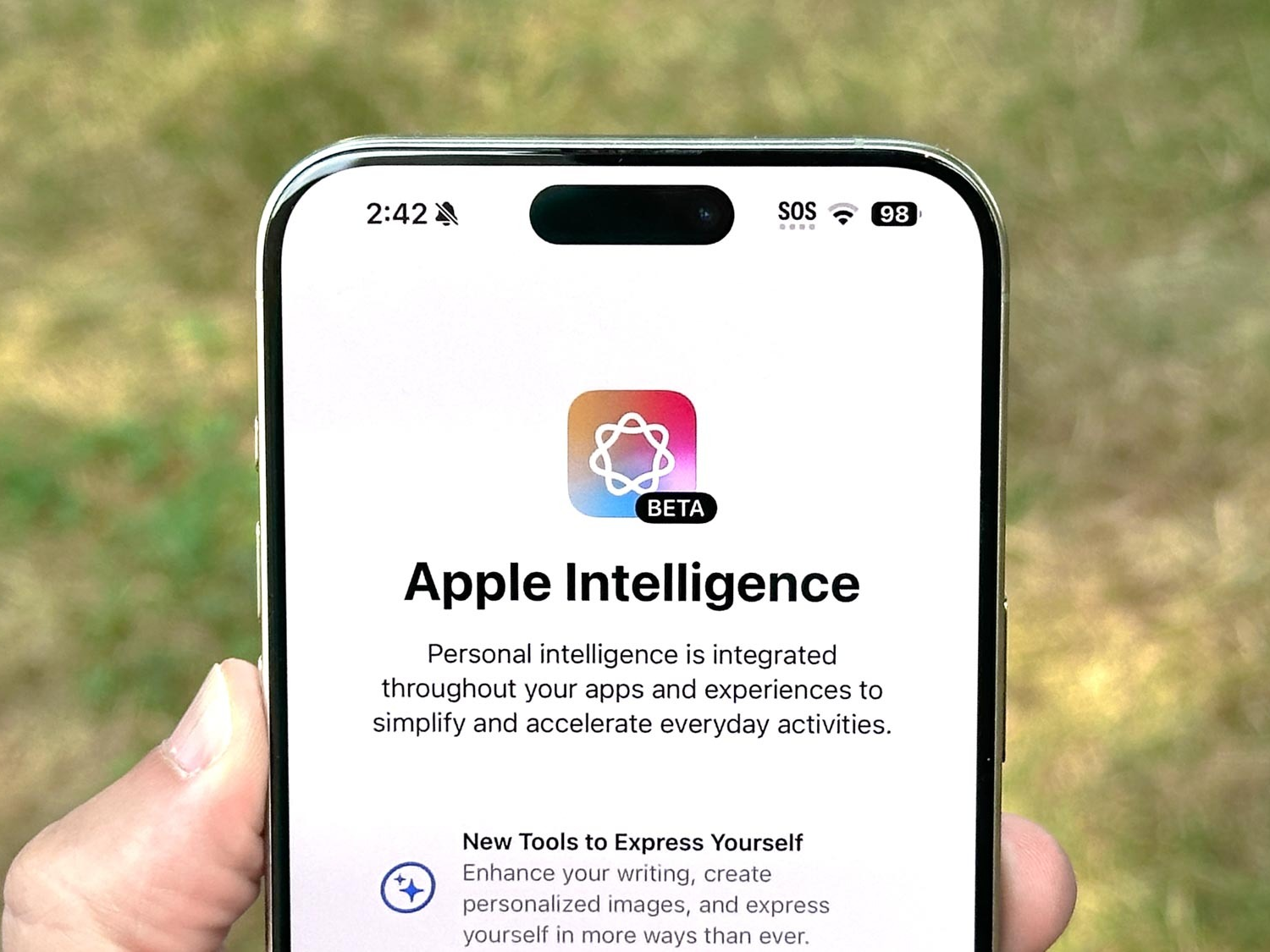
Apple teams up with Google Gemini for AI-powered Siri

Gemini AI Integration: Apple’s Move to Supercharge Siri

Apple’s move to adopt Google’s Gemini artificial intelligence represents a major turning point in the way the company intends to bring sophisticated AI capabilities to millions of users around the globe.Instead of delaying progress to finalize its own large-scale model, Apple is emphasizing rapid deployment, dependable performance, and a refined user experience as it readies a long-awaited enhancement to Siri.Apple announced that it will bring Google’s Gemini AI model into the upcoming Siri update planned for later this year, with both companies jointly revealing a multi‑year deal enabling Apple to operate Gemini in combination with Google’s cloud systems to power…
Read More
Apple teams up with Google Gemini for AI-powered Siri

Siri’s Future: Powered by Google Gemini AI and Apple

Apple’s decision to rely on Google’s Gemini artificial intelligence marks a pivotal shift in how the company plans to deliver advanced AI features to millions of users worldwide. Rather than waiting to perfect its own large-scale model, Apple is prioritizing speed, reliability, and user experience as it prepares a long-anticipated upgrade to Siri.Apple confirmed that it will integrate Google’s Gemini AI model into the next generation of Siri, scheduled to arrive later this year. The announcement, made jointly by both companies, highlights a multi-year agreement that allows Apple to use Gemini alongside Google’s cloud infrastructure to support new artificial intelligence…
Read More
Health anxiety: how information can worsen symptoms

Health anxiety: how information can worsen symptoms

Health anxiety—worrying excessively about having or developing a serious illness—is common at varying degrees. For many people the internet, social media, and symptom-checking apps are primary sources of health information. While accessible information can empower patients, it can also amplify and maintain anxiety. This article explains how and why information often makes health anxiety worse, illustrates with examples and data-based patterns, and offers practical strategies for individuals and clinicians.What is health anxiety and cyberchondria?Health anxiety can span from brief, manageable concern to ongoing, overwhelming preoccupation that interferes with daily functioning. When online activity transforms the search for reassurance into a…
Read More
Brain curiosities: why we forget proper names

Decoding Brain Curiosities: Our Inability to Remember Names

Forgetting a person’s name at an awkward moment is nearly universal. Proper names feel different from other words: they slip away while common nouns and facts remain accessible. Understanding why this happens requires looking at how names are stored and retrieved in the brain, how attention and emotion affect encoding, and how age, stress, and language experience change retrieval dynamics.What makes proper names specialProper names are labels with low semantic redundancy. Unlike the word “dog,” which connects to traits, actions, and contexts, a name like “Sarah” has few intrinsic clues linking it to meaning. That sparsity produces several predictable effects:Weak…
Read More