
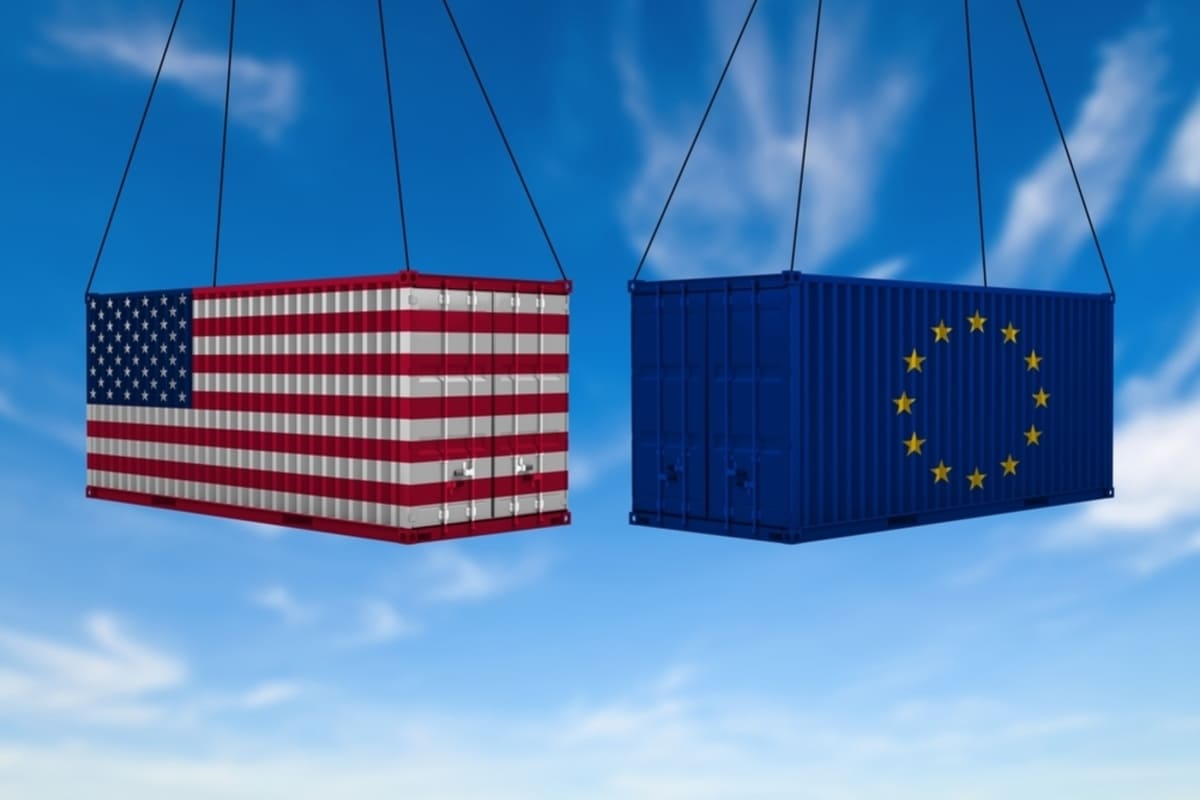

The European Union has opted to delay the enforcement of planned trade tariffs on goods imported from the United States, signaling a strategic pause in an ongoing transatlantic dispute. The decision, which comes amid broader efforts to maintain diplomatic stability and protect economic interests on both sides, reflects a measured approach to managing complex trade tensions between two of the world’s largest economies.
Initially, the suggested import taxes were included in a wider set of counteractive steps created to address long-standing differences about financial aid and entry to markets. These tensions, stemming from arguments about aerospace funding, taxes on digital services, and tariffs on steel and aluminum, have occasionally threatened to develop into broader trade clashes. In reaction to earlier measures by the U.S., the EU had been ready to apply taxes on an array of U.S. goods, ranging from farm produce to industrial parts.
However, following high-level discussions and behind-the-scenes negotiations, EU officials have confirmed that the imposition of these tariffs will be put on hold. The rationale behind this move appears to be multifaceted. On one hand, the EU is demonstrating a willingness to keep channels of dialogue open and avoid further disruption to trade flows. On the other, European leaders are likely weighing the broader economic implications of escalating retaliatory measures during a time of global economic uncertainty.
By delaying the tariffs, the EU is also affording more time for ongoing talks aimed at resolving key issues through negotiation rather than confrontation. Recent statements from both EU and U.S. representatives suggest a mutual interest in de-escalating trade tensions and pursuing more cooperative approaches to long-standing disagreements. This includes revisiting subsidy frameworks, modernizing digital trade policies, and finding common ground on climate-related trade regulations.
The decision has been met with mixed reactions from industry groups, policymakers, and analysts. Some European manufacturers and exporters, who had supported the tariffs as a counterbalance to what they view as unfair U.S. trade practices, have expressed disappointment over the delay. They argue that without reciprocal measures, European businesses remain at a competitive disadvantage in key global markets. Others, however, see the move as a prudent step that prioritizes economic stability and preserves opportunities for future compromise.
Across the Atlantic, representatives from the U.S. have shown appreciation for the delay, viewing it as an indication of the EU’s willingness to engage positively. Although there are ongoing trade tensions, especially in areas like technology and agriculture, avoiding immediate new tariffs reduces the chance of reciprocal actions that could negatively affect the exchange of goods and services, as well as investment activities, between the two parties.
The economic stakes of the decision are significant. The EU and the United States share one of the largest trading relationships in the world, encompassing hundreds of billions of euros and dollars in goods and services exchanged annually. A breakdown in trade relations could have ripple effects across multiple sectors, from aviation and automobiles to pharmaceuticals and finance. By choosing not to proceed immediately with punitive measures, the EU is signaling its commitment to preserving the integrity of this relationship.
Observers note that this latest development does not mark the end of the dispute, but rather a pause that could shape the next phase of negotiations. Both sides remain under pressure to find lasting solutions that address structural concerns without undermining their broader strategic alliance. This includes aligning policies in areas such as green technology, intellectual property rights, and international taxation frameworks—issues that are increasingly central to modern trade discussions.
In the upcoming weeks, focus may turn to imminent trade summits and bilateral meetings, where decision-makers will have the chance to address unresolved disputes. The atmosphere and content of these conversations will be crucial in deciding if the temporary halt in tariffs results in a lasting reduction of tensions or merely delays additional confrontation.
Meanwhile, businesses that operate across the Atlantic are advised to remain vigilant and adaptable. While the immediate threat of new tariffs has receded, the underlying issues remain unresolved. Companies must continue to monitor regulatory developments and prepare for a range of potential outcomes, including the possibility of tariffs being reintroduced if negotiations fail to produce concrete results.
For now, the EU’s decision to pause its retaliatory tariffs is a calculated move, one that favors diplomacy over escalation. Whether this approach leads to a breakthrough or merely extends the timeline of the dispute remains to be seen. What is clear, however, is that the EU is seeking to manage its trade relationship with the United States in a way that balances political principles, economic realities, and the need for long-term cooperation in a shifting global landscape.


