
The science fiction and action genres have long been home to tales of giant monsters, heroic underdogs, and humanity’s struggle against seemingly insurmountable odds. By 2013, audiences were familiar with kaiju films from Japan like Godzilla, as well as Hollywood’s penchant for spectacular destruction in films such as “Independence Day” and “Transformers.” Yet, ‘Pacific Rim’, directed by Guillermo del Toro, managed to carve a new identity despite drawing clear inspiration from these traditions.
Rich Visual World-Building and Design
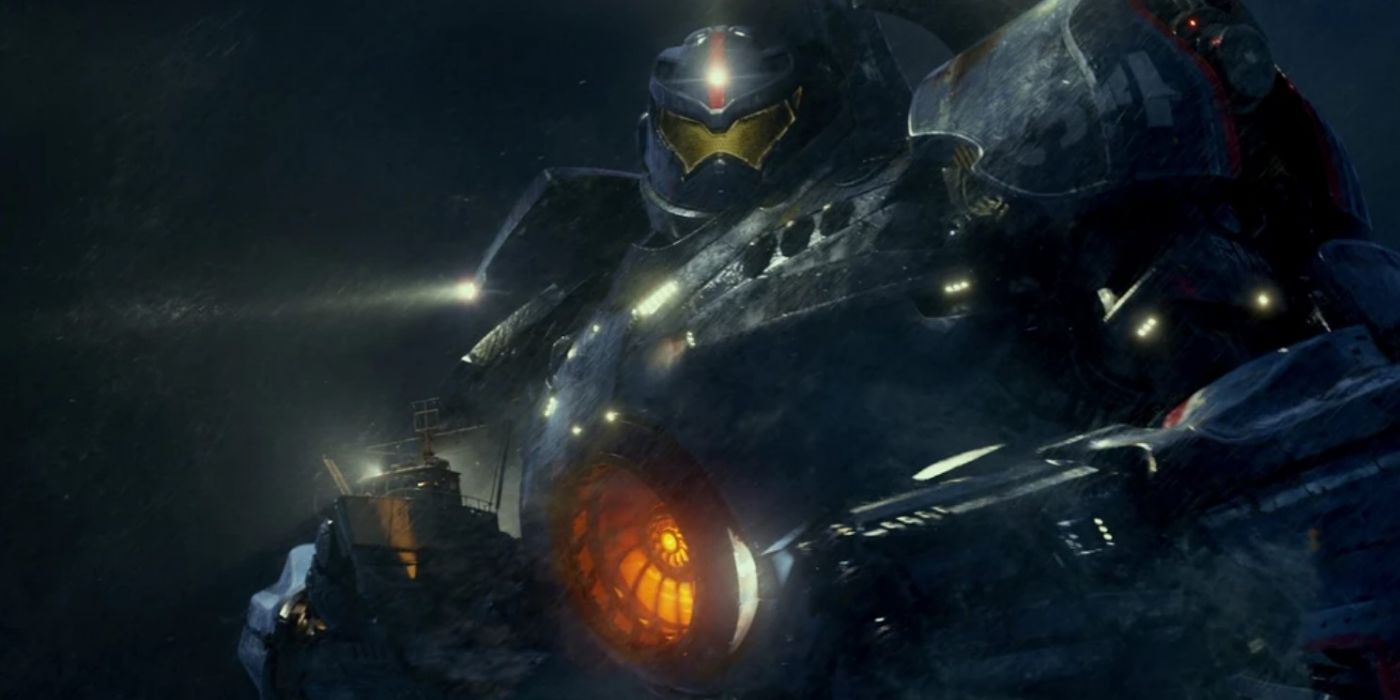
One of the movie’s most striking features is its immersive world. Del Toro and his artistic collaborators poured considerable effort into constructing a plausible near-future Earth, plagued by Pacific breaches that enable colossal kaiju incursions. What truly distinguishes this picture isn’t merely the immense scale of its robotic heroes, dubbed Jaegers, or the terrifying majesty of the kaiju, but the meticulous design principles underpinning them. Jaegers such as Gipsy Danger and Striker Eureka possess distinct identities, merging mechanical authenticity with individual characteristics evident in their national origins and pilot histories.
Moreover, the kaiju are more than mindless beasts; each is individualized with a name, powers, and even tactical intent, forging a memorable rogues’ gallery. The production design team drew on a wide palette of inspiration ranging from classical monster movies to contemporary anime, yet synthesized these influences into an aesthetic wholly organic to the film’s universe.
Synchronicity Amplifies Emotional Impact
Central to the film’s storytelling ingenuity is the notion of Drift compatibility. Diverging from the solitary hero archetypes prevalent in Western blockbusters, “Pacific Rim” presents a neural link system that mandates two pilots to jointly control a Jaeger. This idea transforms combat into a profoundly psychological and emotional journey, where physical skill must be complemented by emotional alignment. The Drift forces characters to confront past wounds, fragility, and mutual reliance, elevating action scenes from mere visual displays to insights into human bonds.
Case studies derived from both fan and critical reception underscore the profound impact this particular mechanism had on its audience. For instance, the collaborative dynamic between Mako Mori and Raleigh Becket sparked considerable fan involvement, fueling widespread conversations across various online platforms and giving rise to the “Mako Mori Test” as a distinct metric for evaluating female character autonomy in cinema, offering an alternative to the Bechdel Test.
Challenging Conventional Genre Tropes
While many giant monster films glorify militaristic bravado or nationalistic pride, “Pacific Rim” adopts a globalist perspective. The Pan Pacific Defense Corps is an international coalition rather than an American savior force, with Jaegers and their pilots hailing from Australia, China, Russia, and Japan alongside the United States. This multiculturalism extends to the film’s casting and narrative focus, with Rinko Kikuchi’s Mako Mori emerging as a protagonist whose arc is as integral as her male counterparts’.
Guillermo Del Toro himself, in various discussions, highlighted the significance of portraying collaboration rather than confrontation, stressing the vital role of solidarity when confronting an existential danger. The movie’s visual style, ranging from the vibrant Jaegers to the besieged urban landscapes, consistently reinforces this principle of collective power.
Practical Effects and Innovative Cinematography
Another aspect elevating “Pacific Rim” is its approach to visual effects. In a landscape dominated by often weightless CGI, Del Toro insisted on volumetric realism: Jaegers move with a sense of mass and inertia, while their impacts on urban environments are meticulously rendered. This is achieved through a blend of computer-generated imagery and extensive use of practical effects for cockpit sequences. Pilot actors physically endure simulated impacts, intense strobe lighting, and real water, amplifying believability and audience immersion.
The film’s use of color is equally revolutionary. Borrowing from anime conventions, each scene employs saturated blues, oranges, and neons, defiantly breaking with the desaturated palettes seen in contemporary blockbusters. Critics praised this visual boldness as both a love letter to genre tropes and a fresh reinterpretation.
Music and Sound: Crafting an Auditory Identity
Ramin Djawadi’s musical composition for “Pacific Rim” warrants particular recognition. Rather than relying on the standard orchestral crescendos often found in Hollywood action sequences, Djawadi crafted an auditory environment that fuses electric guitars, conventional orchestral arrangements, and industrial components. The resulting musical themes, especially those accompanying Jaeger advancements and kaiju confrontations, strike a balance between a heroic and an industrial character, elevating the tension and providing a distinct sonic presence for the movie’s enormous contraptions.
Sound engineering amplifies the feeling of immense scale, employing profound, echoing growls and metallic impacts that differentiate every kaiju and Jaeger. This fostered a sensory engagement that reviewers compared to genuinely “experiencing” the force of the confrontations.
Metatextual Homage and Genre Comprehension
Guillermo del Toro conceived of “Pacific Rim” as more than just a superficial spectacle; he envisioned it as a metatextual tribute to the cinematic and animated traditions that shaped his artistic vision. The movie openly displays its inspirations, incorporating elements from mecha anime like “Neon Genesis Evangelion” and “Gundam,” alongside homages to classic monster films such as “Godzilla” and “Ultraman.” However, it transcends mere imitation by skillfully blending these diverse components into innovative storytelling structures and breathtaking visual displays.
Analysts observe that the movie’s initial sequence, which opts for instant, cataclysmic action instead of a gradual introduction, demonstrates a sharp understanding of contemporary viewer demands, thus modernizing the kaiju narrative for a new era while preserving its emotional and thematic essence.
Enduring Cultural Influence
Despite its varied performance at the North American box office, “Pacific Rim” achieved considerable international success, particularly captivating audiences in regions like China and Japan. The film’s extensive merchandising potential led to the creation of toys, comic books, novels, and even an animated series on Netflix, showcasing its remarkable ability to inspire diverse forms of storytelling across different media.
Academically, the film prompted fresh discourse around genre hybridity, global film production, and representations of trauma, with several publications examining its novel approach to character relations and cooperative action.
“Pacific Rim” distinguishes itself within its category by merging a profound respect for kaiju and mecha heritage with innovative narrative, profound emotional resonance, and a magnificent audiovisual presentation. It transformed classic figures into contemporary legends, enhancing both the grandeur and the essence of the genre. By centering on themes of solidarity, compassion, and creative world-building, “Pacific Rim” broadened the scope of what a colossal monster movie could signify and achieve for viewers worldwide.