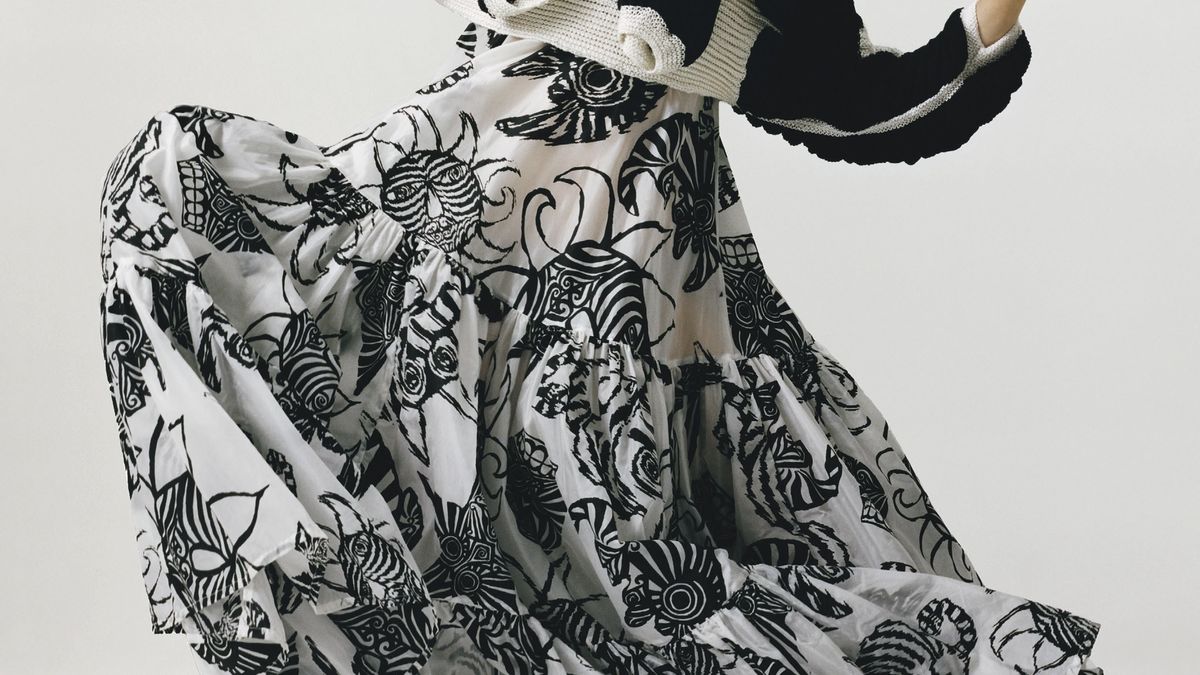
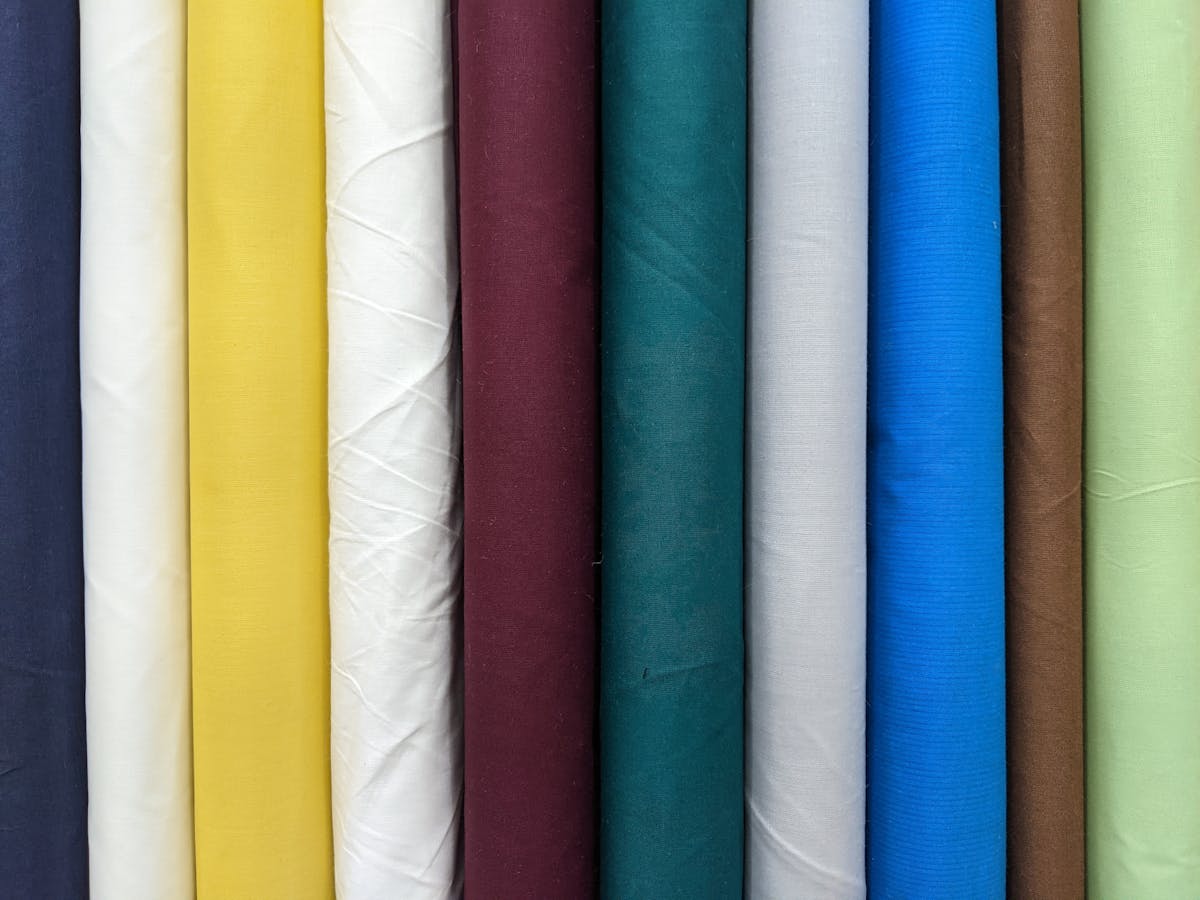

In the ever-evolving world of fashion, creativity and innovation are at the heart of successful design. One essential tool aiding designers in channeling their creative visions is the moodboard. A moodboard serves not just as a visual representation, but as an emotional guide and inspirational blueprint for fashion designers. It encapsulates the aesthetic direction, tone, and feel of a collection or a specific garment, synthesizing various elements into a coherent vision.
Crafting a Moodboard: The Craft of Curating
At its core, a moodboard serves as a curated mix of visuals, materials, hues, and written elements that conveys the spirit of a fashion collection. Crafting a moodboard is an intensely personal and interpretive process, shaped by the designer’s intuition and artistic eye. Designers usually begin by assembling a wide assortment of sources, including photos, drawings, fabric samples, magazine cutouts, and digital visuals. These components are then selected and arranged according to the theme, narrative, or concept the designer aims to develop.
For instance, a designer inspired by the roaring twenties may include elements like vintage photographs, art deco patterns, and flapper dresses. On the other hand, a futuristic theme might feature metallic textures, digital art, and avant-garde silhouettes. By combining these elements, the moodboard serves as a tangible reference point which guides the design process and keeps the creative direction focused.
The Role of Moodboards in Collaboration and Communication
Moodboards function not only as personal instruments but also as essential elements in the collaborative and communicative processes of fashion design, offering fashion brands a core reference during discussions with team members such as clothing designers, textile specialists, and marketing professionals, ensuring that all participants maintain a unified grasp of the creative intentions and aesthetic aims.
Furthermore, moodboards bridge the gap between the designer’s internal vision and the client’s expectations. For instance, when presenting a new collection to potential buyers or stakeholders, a moodboard can effectively convey the intended mood and tone more eloquently than words alone. This visual narrative helps in securing buy-in and ensuring alignment with client preferences.
Real-World Examples: Moodboards at Work
Many leading fashion designers and brands leverage moodboards to maintain their unique creative identities. Chanel, for example, often utilizes moodboards to craft collections that are timeless yet consistently relevant to contemporary fashion trends. By integrating different fabric swatches, iconic patterns, and quotes from Coco Chanel herself, their moodboards preserve the brand’s luxurious heritage while inviting modern interpretations.
Emerging designers likewise treat moodboards as dynamic labs where they experiment and refine their personal style. A young designer may probe the contrast between streetwear and haute couture by assembling boards that merge raw urban imagery with luxurious fabric swatches. This approach not only sharpens their aesthetic judgment but also signals their creative vision to prospective investors and collaborators.
The Evolving Landscape of Moodboards
As technology continues to evolve, digital moodboards have become increasingly popular, giving designers broader freedom and adaptability. Services such as Pinterest, Canva, and Milanote provide an array of features for building interactive, easily shareable moodboards. They also supply abundant creative inspiration, linking designers worldwide and encouraging a dynamic exchange of ideas. Digital moodboards can be quickly updated and circulated, aligning with the rapid pace of the fashion industry.
The Enduring Significance of Moodboards
In the dynamic field of fashion design, a moodboard remains an invaluable tool that encapsulates an abstract vision into a concrete guide. It nurtures the emotional essence of a project, allowing designers to explore, experiment, and engage across various mediums. As both a creative and communicative instrument, the moodboard continues to play a pivotal role in the design process, shaping the fashion narratives of today and tomorrow.