
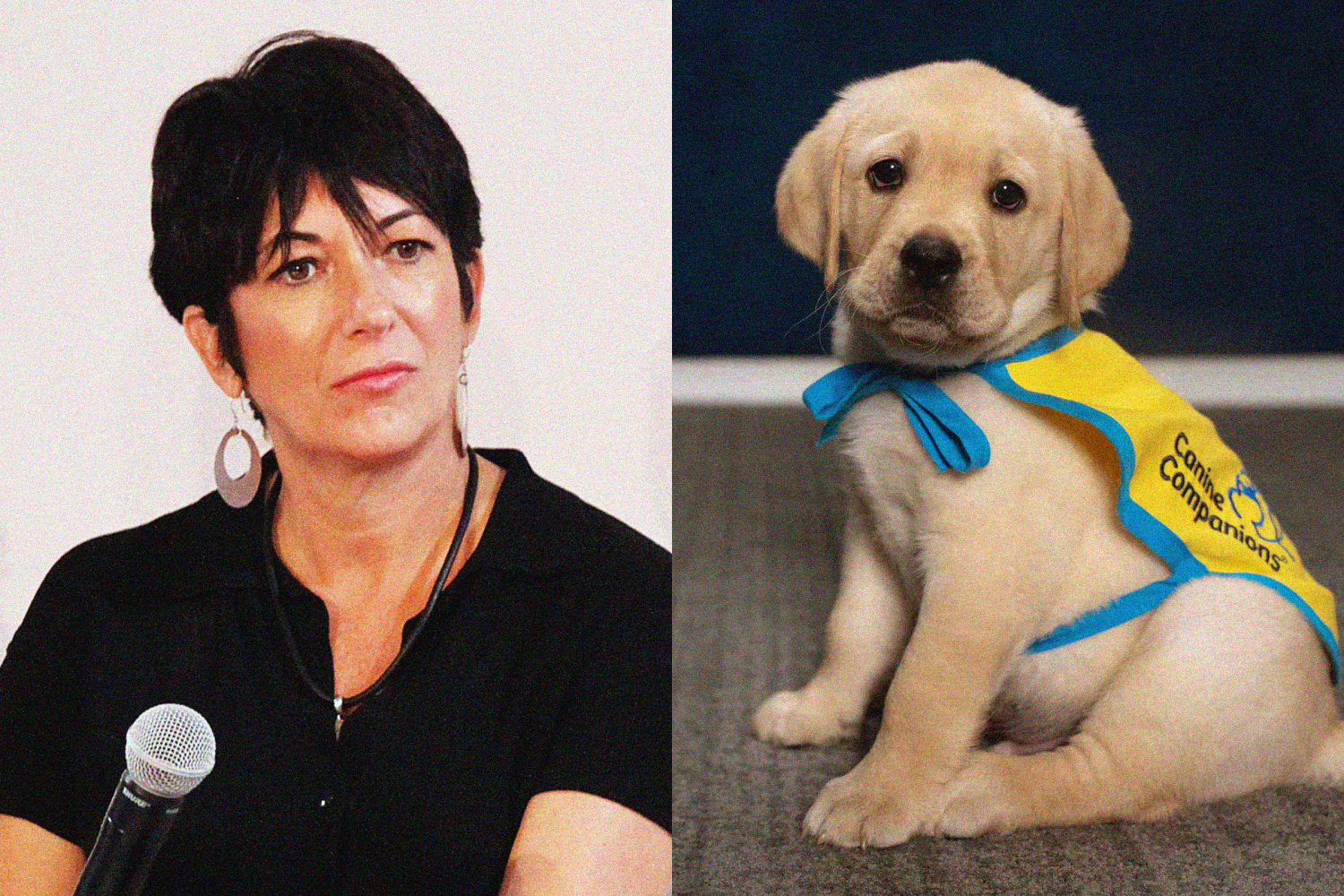

The Bureau of Prisons has rejected a petition from convicted sex offender Ghislaine Maxwell to participate in a canine training initiative during her incarceration. Currently serving a 20-year sentence at Florida’s low-security Federal Correctional Institution Tallahassee, Maxwell sought involvement in a program that pairs inmates with service dogs in training.
Correctional officials determined the high-profile inmate failed to meet eligibility requirements for the specialized rehabilitation initiative. The denial comes amid ongoing scrutiny of Maxwell’s prison conditions following her 2021 conviction for sex trafficking and other charges related to Jeffrey Epstein’s abuse network.
Prison officials pointed to several reasons for their choice, such as Maxwell’s crimes and safety matters. The canine assistance initiative usually chooses individuals sentenced for peaceful offenses who exhibit outstanding conduct and possess the capability for rehabilitation. Additionally, prison therapists assess applicants for emotional soundness and capability to manage animal care duties.
The rejected request has reignited debates about prison rehabilitation programs and their accessibility to high-profile offenders. While supporters argue such initiatives benefit both inmates and society, critics question whether notorious convicts should qualify for privileges that might improve their quality of life during incarceration.
Maxwell’s legal team had framed the dog training opportunity as both therapeutic and vocational. They argued the structured program could help their client develop empathy and job skills for potential reintegration. Animal welfare organizations that typically support prison dog programs have remained neutral on this specific case, emphasizing their focus on the dogs’ training rather than inmate selection.
The Tallahassee establishment accommodates around 700 female inmates under minimum security and provides several educational and vocational courses. Although it is not regarded as a “country club” prison, its dormitory-like living arrangements and leisure facilities are quite different from those in higher-security prisons. The organization’s program for training service dogs is one of the more popular options for rehabilitation available at the facility.
Legal experts note that federal prisons maintain wide discretion in program participation decisions, particularly for inmates whose notoriety might bring unwanted attention to institutional operations. The Bureau of Prisons has historically limited media access and public discussion of specific inmates’ daily routines and activities.
This latest development occurs as Maxwell continues appealing her conviction. Her legal team recently filed motions challenging both the verdict and her prison conditions, though legal analysts give these efforts slim chances of success. The service dog program denial may factor into future complaints about her treatment during incarceration.
The case highlights broader questions about rehabilitation versus punishment in federal corrections. While progressive penology emphasizes preparing inmates for eventual release, high-profile cases often spark debates about appropriate incarceration standards. The Bureau of Prisons must balance these competing philosophies while maintaining institutional security and public confidence.
For now, Maxwell remains excluded from the canine program, continuing her sentence under the standard routines and privileges available at the Florida facility. Prison officials emphasize that all inmates receive access to basic educational and counseling services regardless of program participation. The decision stands as a reminder that even at low-security institutions, certain opportunities remain contingent on both official criteria and administrative discretion.
As Maxwell’s appeals process continues, observers expect further scrutiny of her prison experience. The service dog program rejection may represent just one of many institutional decisions that will be examined as her case progresses through the legal system. The outcome could influence how correctional facilities handle similar requests from high-profile inmates in the future.


