
The rapid expansion of digital compute—driven by cloud services, artificial intelligence, high-performance computing, and edge processing—has become one of the fastest-growing sources of electricity demand. Large data centers now rival heavy industry in power intensity, while smaller edge facilities are proliferating across cities. Training and operating advanced models can require continuous, high-density power with tight reliability requirements. As a result, electric grids that were designed for predictable growth and centralized generation are adapting to a more volatile, location-specific, and time-sensitive load profile.
How demand attributes are evolving
Compute-driven demand varies from conventional loads in numerous respects:
- Density: Contemporary data centers may draw more than 50 to 100 megawatts at a single location, and power density continues to climb as specialized accelerators become more widespread.
- Load shape: Computing demand can be remarkably adaptable, allowing workloads to shift across hours or time zones, yet it may also remain constant and non‑interruptible for essential operations.
- Geographic clustering: Areas offering robust fiber links, favorable tax policies, and cooler temperatures tend to attract concentrated developments that place pressure on local transmission and distribution systems.
- Reliability expectations: High uptime goals lead to the need for redundant supply lines, backup power resources, and rapid service restoration.
These characteristics compel grid operators to reassess planning timelines, interconnection workflows, and day‑to‑day operating strategies.
Grid-scale investments and planning reforms
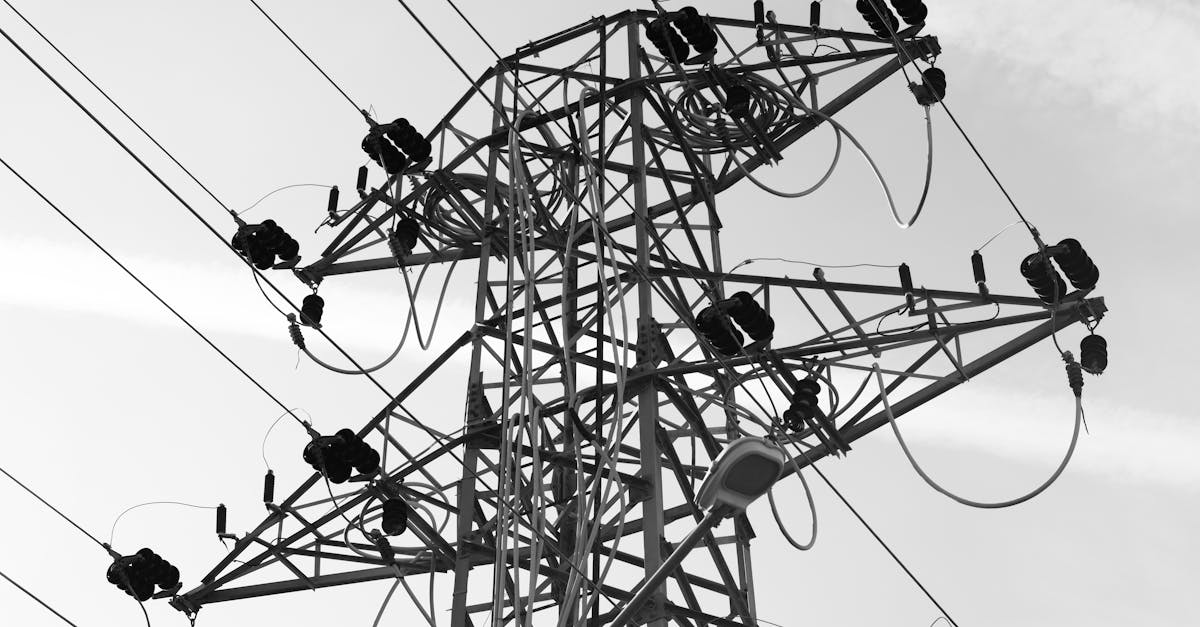
Utilities are responding with accelerated capital investment and new planning tools. Transmission upgrades are being prioritized to move power from resource-rich regions to compute hubs. Distribution networks are being reinforced with higher-capacity substations, advanced protection systems, and automated switching to isolate faults quickly.
Planning models are changing as well, as utilities shift from traditional assumptions of historical load growth to probabilistic forecasts that integrate announced data center pipelines, evolving technology efficiencies, and policy limits. Across parts of North America, regulators now mandate scenario analyses that explore extreme yet credible compute expansion, helping prevent the underdevelopment of essential infrastructure.
Flexible interconnection and load management
One of the most impactful adaptations is the shift toward flexible interconnection agreements. Rather than guaranteeing full capacity at all times, utilities offer discounted or expedited connections in exchange for the ability to curtail load during grid stress. This approach allows compute operators to come online faster while preserving system reliability.
Demand response is increasingly moving past conventional peak-shaving strategies, as advanced workload orchestration allows compute providers to halt non-essential tasks, reschedule batch jobs for quieter periods, or shift processing to regions rich in excess renewable energy. In effect, this approach transforms compute into a controllable asset capable of stabilizing the grid rather than straining it.
On-site generation and energy storage
Many computing facilities, aiming to bolster reliability and ease pressure on the grid, are turning to on-site resources. Battery energy storage systems are now deployed not only as backup power but also to deliver short-term grid support like frequency stabilization. Some campuses combine batteries with local solar generation to curb peak demand fees and moderate load fluctuations.
Growing interest has emerged in on-site generation powered by low-carbon fuels. High-efficiency gas turbines, some engineered to accommodate future hydrogen blends, can supply dependable capacity. Although debated, such systems can postpone expensive grid enhancements when operated under stringent limits on emissions and usage.
Clean energy procurement and grid integration
Compute expansion has sped up corporate clean energy sourcing, with power purchase agreements for wind and solar growing quickly and frequently paired with storage to better match compute demand, yet grids are revising their rules to ensure these arrangements provide real system value rather than mere accounting advantages.
Some regions are experimenting with 24-hour clean energy matching, encouraging compute operators to source electricity that aligns hourly with their consumption. This pushes investment toward a balanced mix of renewables, storage, and firm low-carbon resources, reducing the risk that compute growth increases reliance on fossil peaking plants.
Advanced grid operations and digitalization
Ironically, compute is also enabling the grid’s adaptation. Utilities are deploying advanced sensors, artificial intelligence-based forecasting, and real-time optimization to manage tighter margins. Dynamic line ratings increase transmission capacity during favorable conditions, while predictive maintenance reduces outages that would disproportionately affect large, sensitive loads.
Distribution-level digitalization supports faster interconnections and better visibility into localized congestion. In regions with dense compute clusters, utilities are creating dedicated control rooms and operational playbooks to coordinate with large customers during heat waves, storms, or fuel supply disruptions.
Impacts of Policies, Regulations, and Communities
Regulators play a central role in balancing growth with fairness. Connection queues and cost allocation rules are being revised so that compute-driven upgrades do not unduly burden residential customers. Some jurisdictions require impact fees or phased build-outs tied to demonstrated demand.
Communities are also influencing outcomes. Concerns about water use for cooling, land use, and local air quality are shaping permitting decisions. In response, compute operators are adopting advanced cooling technologies, such as closed-loop liquid cooling and heat reuse, which can reduce water consumption and even supply district heating.
Brief case highlights drawn from across the globe
In the United States, utilities in parts of the Mid-Atlantic and Southwest have rapidly advanced transmission initiatives tied directly to data center corridors. Across Northern Europe, power systems with substantial renewable penetration are drawing compute loads that adjust to wind conditions, enabled by robust interregional links. Throughout Asia-Pacific, compact metropolitan grids are bringing in edge compute under rigorous efficiency rules and coordinated planning to prevent localized network constraints.
Rising electricity demand from compute is neither a temporary surge nor an unmanageable threat. It is a structural shift that is forcing grids to become more flexible, digital, and collaborative. The most effective adaptations treat compute not just as a load to be served, but as a partner in system optimization—one that can invest, respond, and innovate alongside utilities. As these relationships mature, the grid evolves from a static backbone into a dynamic platform capable of supporting both digital growth and a cleaner energy future.