
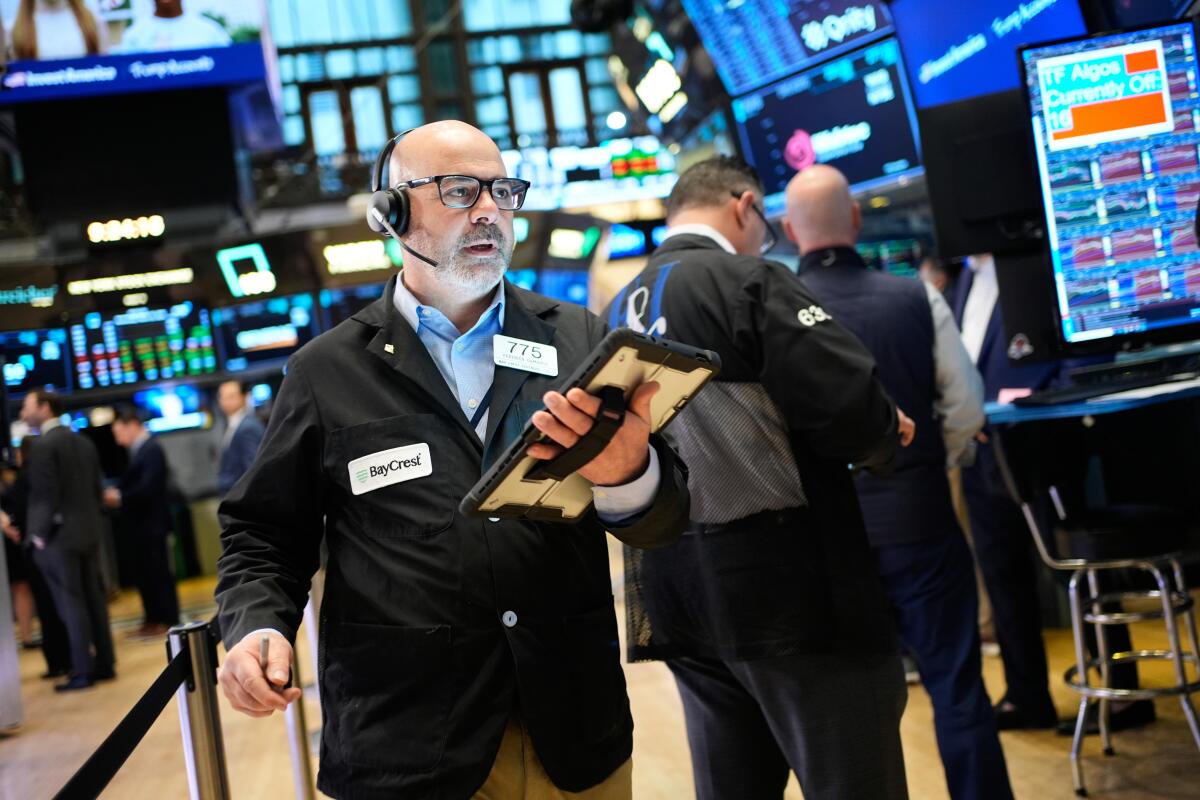

Markets have rebounded sharply after recent volatility, with major indices recovering losses linked to geopolitical tensions. Investor optimism, however, continues to coexist with lingering uncertainty surrounding global events.
Over the past two weeks, US equity markets have mounted a strong rebound, undoing the earlier pullback that emerged after tensions escalated between the United States and Iran, and this renewed momentum has lifted major benchmarks like the S&P 500 and Nasdaq to levels that not only recover prior losses but in some instances drive them close to fresh peaks, signaling a marked shift from the recently prevailing sense of caution.
The S&P 500, widely viewed as a key gauge of the overall US economy, has maintained a steady climb, posting gains in most recent trading sessions, a trend that has lifted the index past earlier declines and pushed it above its former peak to a fresh intraday record, with the swift rebound standing out especially in light of how quickly markets had previously fallen amid heightened geopolitical tensions.
This rebound reflects a combination of factors that have influenced investor behavior. Chief among them is a growing sense of optimism regarding a potential de-escalation of tensions in the Middle East. While the situation remains fluid, even tentative signs of a ceasefire have been enough to encourage renewed risk-taking in financial markets. Investors appear willing to interpret these developments as a signal that worst-case scenarios may be avoided, at least in the near term.
Geopolitical shifts spark renewed optimism across the market landscape
Investor sentiment has improved largely because many now anticipate that the conflict between the United States and Iran is unlikely to intensify, and while a definitive settlement remains absent, the sense of diminished immediate danger has helped steady overall confidence; markets frequently react not only to factual outcomes but also to evolving expectations, and recent events have shifted those expectations in a more positive direction.
After an early upswing driven by the onset of hostilities, oil prices have gradually settled, reducing some of the strain on global markets. Although energy costs still sit above their pre-conflict norms, this retreat has eased worries about a sustained surge that might otherwise hinder economic expansion and diminish corporate earnings.
The interplay between energy markets and equities is particularly relevant in this context. Higher oil prices can increase costs for businesses and consumers alike, potentially slowing economic activity. As prices stabilize, even at relatively high levels, the reduced volatility can provide a more predictable environment for investors, contributing to improved market conditions.
While this is happening, the latest earnings season has continued to bolster equities, as many corporate results and forward-looking statements have surpassed expectations, supporting the perception that companies remain robust despite external pressures. Strong earnings announcements have played a key role in maintaining the market’s momentum, providing clear evidence that businesses are effectively adjusting to current conditions.
A rapid recovery following market correction
The recent upswing in equities follows a period of pronounced weakness earlier in the year. In the weeks after tensions escalated, major indices experienced sharp declines, with the S&P 500 entering correction territory. This downturn reflected widespread concern about the potential economic fallout of a prolonged conflict, including disruptions to global trade and energy supplies.
However, the market’s subsequent rebound has proven just as rapid, with the Nasdaq showing notable strength as it surges far above its recent lows and edges close to its former peak levels. This swift downturn followed by an equally brisk upswing has become a recognizable pattern in today’s markets, where investors frequently act fast to seize what they view as emerging opportunities.
The idea of “buying the dip” has resurfaced prominently, as investors move in to acquire stocks whenever prices soften, a pattern that has accelerated and amplified the market’s rebound by channeling fresh capital into rising valuations. Although this approach can prove advantageous under specific circumstances, it also prompts concerns about how long such upward momentum can truly persist.
Trading activity in this period has shown a blend of confidence and restraint, as certain indices have steadily advanced while others have fluctuated, revealing that different parts of the market are not progressing uniformly. This contrast indicates that investors are taking selective positions, weighing opportunities for continued growth against the persistent risks.
Sentiment indicators point to a measured sense of confidence
Measures of market sentiment offer further perspective on the prevailing climate. Indicators monitoring investor moods and expectations have shifted noticeably, recovering from previous periods dominated by fear. Having hit extreme readings at the peak of uncertainty, these metrics have gradually settled into more neutral ranges, signaling a steadier overall outlook.
Volatility metrics, commonly viewed as indicators of market unease, have likewise eased in recent sessions, and reduced volatility generally signals stronger investor confidence by implying milder price fluctuations and a steadier trading backdrop, a pattern that has strengthened the sense that markets are shifting into a calmer phase despite ongoing underlying risks.
Despite these positive signals, some analysts have urged caution. They point out that the rally may be driven more by hope than by fundamental changes in the broader economic landscape. The absence of a definitive resolution to geopolitical tensions means that conditions could shift quickly, potentially reversing recent gains.
Energy prices, though below their previous peaks, continue to stay comparatively elevated, and consumers are still feeling their effects. Persistently high fuel costs can put pressure on household finances, curbing nonessential spending and slowing broader economic progress.
Gap between financial markets and daily economic reality
One of the more notable aspects of the current rally is the apparent disconnect between financial markets and the experiences of many individuals. While stock indices have recovered and, in some cases, reached new highs, everyday economic pressures persist. Higher costs for essentials such as fuel continue to affect consumers, creating a contrast between market performance and real-world conditions.
This divergence highlights the complexity of interpreting market movements. Equity markets often reflect expectations about future conditions rather than present realities, which can lead to situations where stock prices rise even as certain segments of the economy face challenges. For investors, understanding this dynamic is crucial in assessing the sustainability of current trends.
Retirement accounts and investment portfolios linked to major indices have seen gains as markets rebound, helping to recoup earlier losses and offering some reassurance to individuals whose savings had fallen, while also highlighting the natural volatility that characterizes financial markets.
While some progress is visible, the wider economic landscape still faces uncertainty, as evolving developments in the Middle East and unresolved matters involving trade routes and diplomatic efforts shape the outlook; together, these elements create conditions where any optimism must be tempered by thoughtful attention to possible risks.
Persistent uncertainty continues to influence the outlook ahead
Looking ahead, the future direction of financial markets will probably hinge on how geopolitical and economic dynamics develop, with the recent rally showcasing the market’s ability to adjust swiftly to shifting circumstances while also underscoring how delicate that renewed confidence remains, and without a decisive resolution to persistent tensions, the return of heightened volatility remains entirely possible.
Investors are closely monitoring developments such as diplomatic talks and strategic decisions that could influence the direction of the conflict. Any significant change in these areas has the potential to impact market sentiment, either reinforcing the current trend or triggering a reversal.
In this context, maintaining a balanced perspective is essential. While the recovery in equities is encouraging, it should not be viewed in isolation from the broader environment. Economic indicators, corporate performance, and geopolitical developments all play a role in shaping market dynamics, and their interplay will determine the path forward.
The recent surge in US stocks reflects a combination of resilience and optimism, tempered by ongoing uncertainty. As markets continue to navigate this complex landscape, the ability to respond to new information will remain a key factor in determining their direction.


