
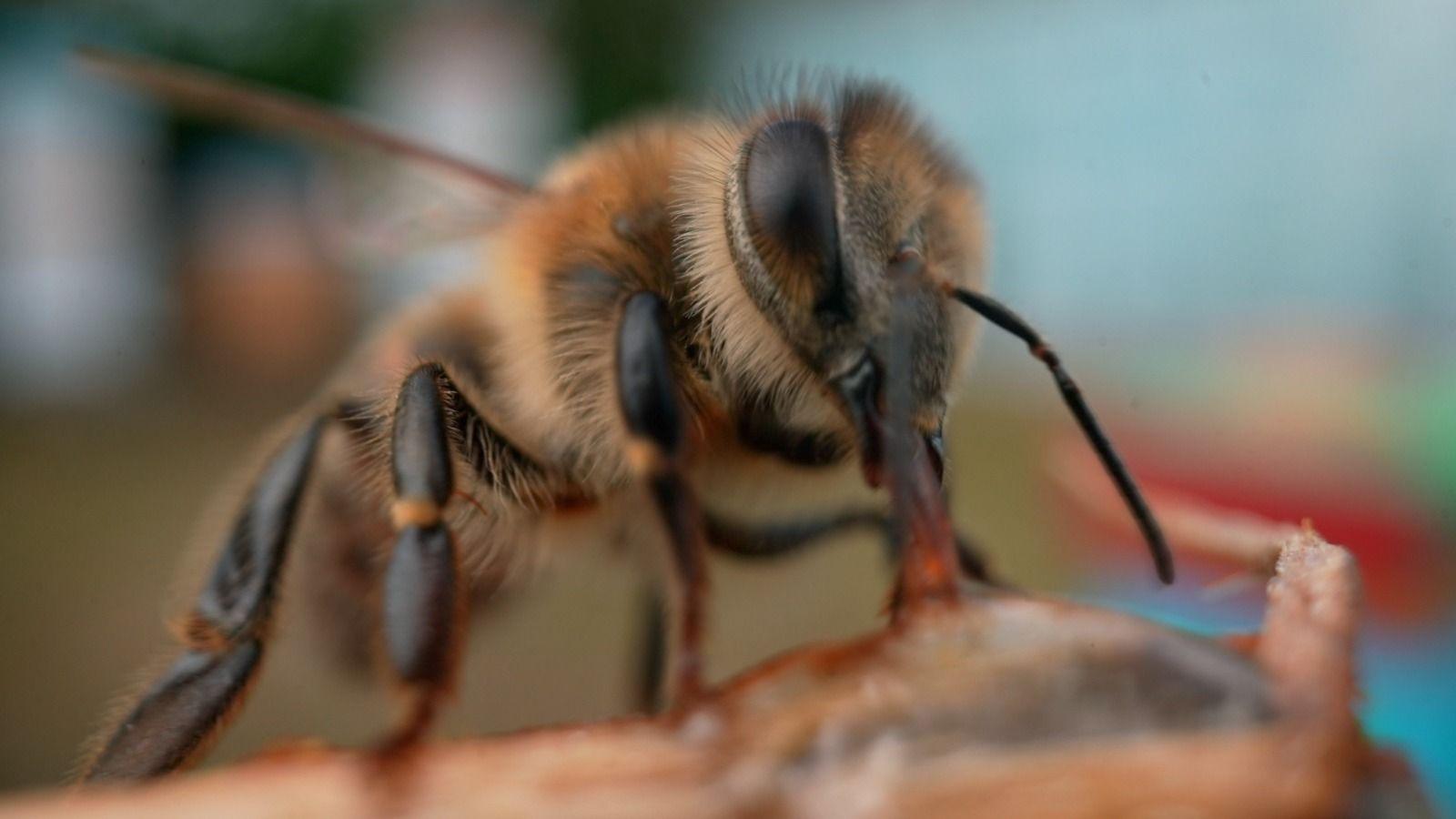

In a groundbreaking development that could play a vital role in preserving global ecosystems, a team of researchers has created a specialized food supplement designed to enhance the health and survival of honeybees. This innovation comes at a time when bee populations around the world are facing severe declines due to factors such as habitat loss, pesticide exposure, climate change, and the spread of harmful pathogens. The new formulation, which is being referred to as a “superfood” for bees, aims to provide essential nutrients that bolster their immune systems and overall resilience.
Honeybees are essential pollinators, responsible for fertilizing a significant portion of the crops humans consume daily. Their role in agriculture and natural ecosystems is critical, as they ensure the reproduction of numerous plant species. However, in recent decades, scientists and environmentalists have sounded the alarm over the sharp decrease in bee populations, a phenomenon known as colony collapse disorder. Without immediate and effective interventions, the reduction in pollinator numbers could lead to devastating consequences for food security and biodiversity.
The newly created supplement presents a possible answer to this escalating problem. In contrast to regular sugar-based feeds usually supplied to bees in controlled hives, this improved mixture is infused with a rich combination of proteins, vitamins, minerals, and bioactive elements specially selected to fulfill the dietary requirements of honeybees. These ingredients aim to replicate the advantages bees typically obtain from pollen, which is frequently limited during specific seasons or in areas impacted by environmental harm.
One of the critical aspects of this innovation is its focus on improving bee immunity. Over the years, bee colonies have become increasingly vulnerable to viruses, fungal infections, and parasites such as the Varroa mite, which has been a major contributor to colony losses worldwide. By fortifying bees’ immune responses through proper nutrition, scientists hope to reduce mortality rates and increase the overall stability of hives. Preliminary laboratory tests have shown promising results, with bees consuming the enriched feed exhibiting better survival rates and greater resistance to stress compared to those given standard diets.
In addition to health advantages, the scientists involved in the initiative highlight sustainability. The components used in the supplement are easily accessible and can be manufactured without considerable environmental consequences, providing a scalable solution for beekeepers in various areas. This is especially crucial as commercial beekeeping enterprises face difficulties in sustaining healthy colonies amidst financial and environmental challenges.
Although the results to date are promising, specialists warn that this breakthrough is not a complete solution for the intricate challenges facing bee populations. Elements like pesticide application, habitat loss, and climate changes still require attention to guarantee the long-term sustainability of pollinators. Nonetheless, this progress signifies an important advance in enhancing bee resilience and reducing the dangers caused by current agricultural methods and environmental disturbances.
Further research is already underway to refine the formula and evaluate its effectiveness in real-world conditions across diverse ecosystems. Large-scale field trials are expected to take place in collaboration with beekeepers and agricultural organizations. If successful, this nutritional breakthrough could become a widely adopted tool in the ongoing effort to protect honeybees and, by extension, global food systems.
The creation of this bee superfood highlights the growing intersection between science, agriculture, and environmental stewardship. As humanity grapples with the consequences of ecological imbalance, initiatives like these demonstrate how targeted innovations can help restore and protect vital components of nature. Honeybees, often underestimated in their importance, serve as a reminder that the health of the smallest creatures can have profound impacts on human life and the planet’s future.