
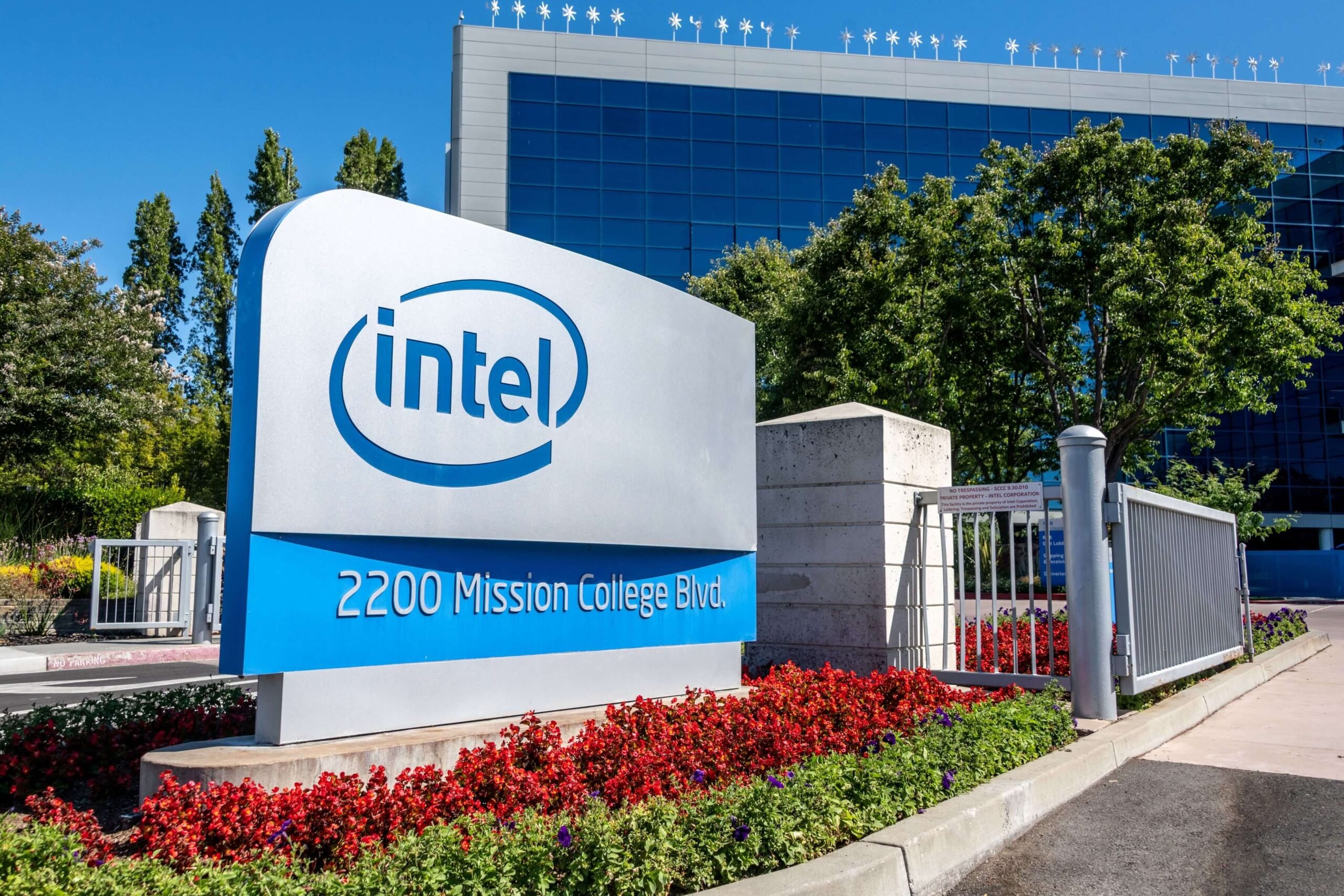

Intel Corporation has initiated a major restructuring effort that includes reducing its global workforce by approximately 15%. This decision comes as part of a broader strategy to regain momentum in a highly competitive semiconductor industry, where the company has faced increasing pressure from rivals and shifting technological demands.
The job cuts, affecting thousands of positions across multiple departments, reflect Intel’s ongoing efforts to streamline operations, enhance efficiency, and refocus resources on key areas that align with its long-term growth objectives. According to company sources, the reductions are not limited to a specific region or function but are instead distributed across several units to support a leaner, more agile corporate structure.
Intel’s management has presented the reduction in workforce as an essential action in its strategy to bolster the company’s main operations, enhance its production abilities, and grow its footprint in new areas like artificial intelligence, cloud services, and custom chip design. Leaders have stressed that although the choice is challenging, it aims to make Intel more competitive moving forward.
The semiconductor giant, once the undisputed leader in chip manufacturing, has encountered a series of challenges in recent years. Delays in developing next-generation processor technology, increased competition from companies like AMD and Nvidia, and the rise of custom chips developed by tech firms such as Apple have all contributed to a decline in Intel’s market dominance. Additionally, the global chip shortage and economic uncertainty have forced many companies in the sector to reevaluate their strategies.
Intel CEO Pat Gelsinger returned to the company in 2021 with the goal of reclaiming its dominance in the semiconductor sector. He has led a comprehensive, multi-year strategy focused on revitalization. This includes substantial funding for chip manufacturing plants both in the country and abroad, alongside intensified initiatives to achieve top technological status through faster innovation.
As a component of this initiative, Intel has revealed intentions to allocate tens of billions of dollars towards constructing new manufacturing facilities in both the United States and Europe. The firm aspires to reposition itself as a key participant in the foundry sector, providing sophisticated chip production services not only for its own items but also for external customers. This foundry strategy signifies a shift from Intel’s conventional integrated device manufacturer (IDM) model and aligns more closely with industry giants such as Taiwan Semiconductor Manufacturing Company (TSMC).
While Intel has publicly committed to this ambitious transformation, the financial burden of capital expenditures and restructuring has weighed heavily on its short-term performance. The job cuts are expected to result in immediate cost savings that can be redirected toward research and development, supply chain improvements, and infrastructure expansion.
Workers impacted by the job cuts have been informed, and Intel has promised to offer severance packages, career transition assistance, and additional resources to help with the transition. The corporation has also affirmed its dedication to retaining a robust talent pool and will proceed with hiring in key areas that match its strategic goals.
Market experts perceive the downsizing as indicative of more extensive patterns in the technology and semiconductor industries. Many large companies have disclosed layoffs or budget reductions in recent months as they adjust to a changing worldwide economy and tech environment. For Intel, this action might act as an indication to investors that the firm is making determined efforts to tackle internal inefficiencies and strengthen its position in a rapidly evolving sector.
Despite the challenges, there are signs of progress in Intel’s turnaround. Recent product launches, including advancements in server processors and AI accelerators, have received favorable reviews. The company is also making headway in forging new partnerships with tech firms and government agencies as part of global initiatives to strengthen semiconductor supply chains and reduce reliance on Asia-based production.
Nonetheless, restoring faith among investors and regaining the previously held market portion will require patience. Intel must show steady progress on its strategic plan, achieve ambitious performance targets, and provide products that can compete with top industry players. The continuous move towards AI, edge computing, and advanced graphics offers both hazards and chances for a company undergoing change.
As Intel progresses with its plans for restructuring and development, the industry will keenly observe whether this strategic shift can bring the company back to a leading role in technological advancement. For the thousands of employees affected by the downsizing, this change signals the closing of a chapter at one of the tech industry’s most legendary firms—while for Intel, it may signify the start of a journey towards renewal and transformation.


