
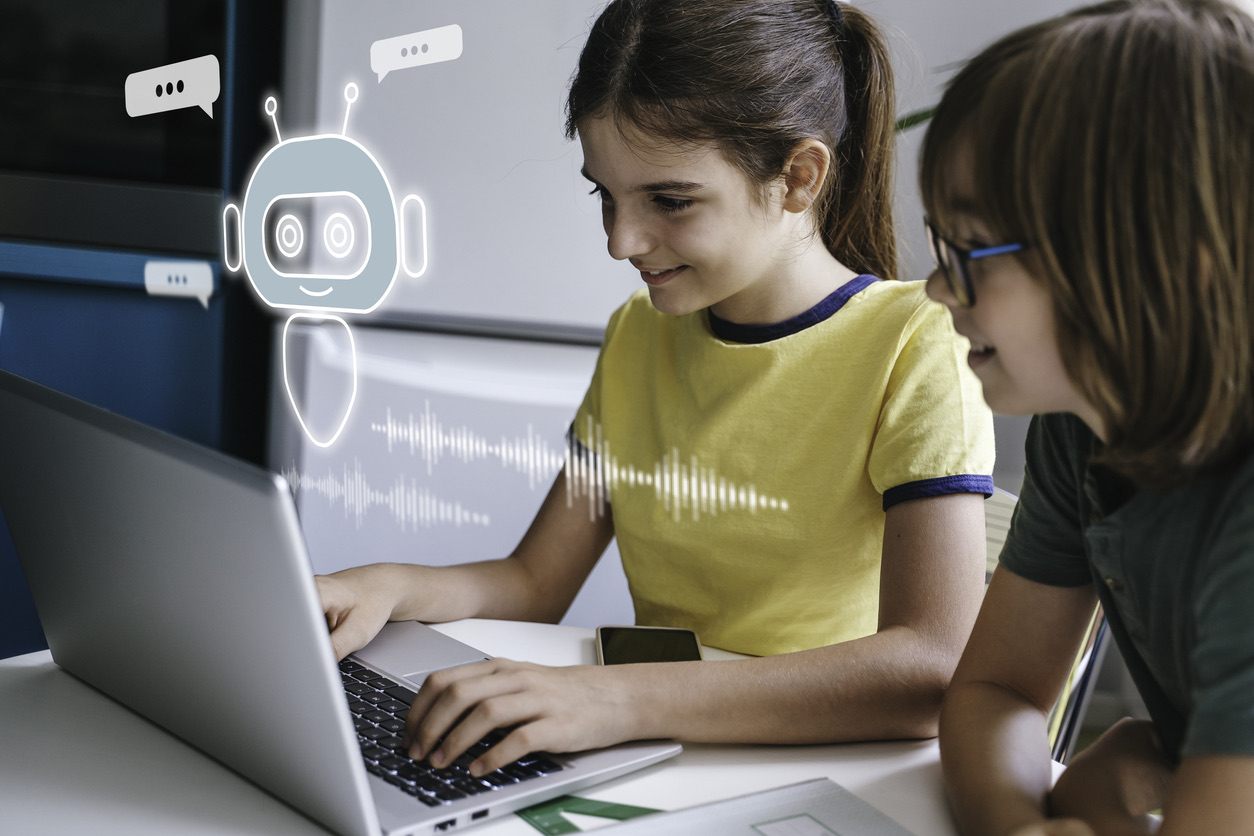

As AI technology becomes more within reach and intertwined with daily activities, an increasing number of youngsters are engaging with AI-driven companions for advice, direction, and emotional solace. A new study has highlighted this pattern, indicating that children as young as eight years old are discussing personal dilemmas with AI chatbots—from academic pressure to familial challenges. Although this technology is created to be supportive and interactive, specialists caution that leaning on AI for guidance during developmental stages might lead to unforeseen outcomes.
The results emerge as generative AI systems are increasingly integrated into children’s digital spaces via smart gadgets, educational resources, and social networks. These AI companions are typically crafted to reply with empathy, propose solutions for issues, and imitate human engagement. For younger users, especially those who might feel isolated or reluctant to converse with grown-ups, these systems present an attractive, non-critical option.
However, psychologists and educators are raising concerns about the long-term effects of such interactions. One major issue is that AI, no matter how sophisticated, lacks genuine understanding, emotional depth, and ethical reasoning. While it can simulate empathy and provide seemingly helpful responses, it does not truly grasp the nuance of human emotions, nor can it offer the kind of guidance a trained adult—such as a parent, teacher, or counselor—might provide.
The study observed that many children view AI tools as trustworthy confidants. In some cases, they preferred the AI’s responses over those of adults, citing that the chatbot “listens better” or “doesn’t interrupt.” While this perception points to the potential value of AI as a communication tool, it also highlights gaps in adult-child interactions that need addressing. Experts caution that substituting digital dialogue for real human connection could impact children’s social development, emotional intelligence, and coping mechanisms.
Another concern identified by researchers is the potential for misinformation. Although progress continues in enhancing AI precision, these systems aren’t perfect. They may generate false, prejudiced, or deceptive replies—especially in intricate or delicate scenarios. If a child asks for advice on matters such as bullying, stress, or interpersonal dynamics and gets inadequate direction, the repercussions could be significant. In contrast to a conscientious adult, an AI system lacks responsibility or situational understanding to recognize when expert assistance is necessary.
The research additionally discovered that some children assign human-like traits to AI companions, giving them emotions, intentions, and personalities. This merging of boundaries between machines and humans can lead to confusion among young users regarding technology and relationships. Although establishing emotional connections with imaginary beings is not unprecedented—consider children’s relationships with their cherished stuffed toys or television characters—AI introduces a level of interactivity that can intensify attachment and obscure distinctions.
Parents and educators are now faced with the challenge of navigating this new digital landscape. Rather than banning AI outright, experts suggest a more balanced approach that includes supervision, education, and open conversations. Teaching children digital literacy—how AI works, what it can and can’t do, and when to seek human support—is seen as key to ensuring safe and beneficial use.
The creators of AI companions, for their part, face increasing pressure to build safeguards into their systems. Some platforms have begun integrating content moderation, age-appropriate filters, and emergency escalation protocols. However, enforcement remains uneven, and there is no universal standard for AI interaction with minors. As demand for AI tools grows, industry regulation and ethical guidelines are likely to become more prominent topics of debate.
Teachers are crucial in guiding learners on the impact of AI in their everyday lives. Academic institutions can integrate curricula on responsible AI usage, critical analysis, and technology-related wellness. Promoting genuine social engagement and practical problem-solving strengthens abilities that cannot be duplicated by machines, like empathy, ethical decision-making, and perseverance.
Although concerns exist, incorporating AI into children’s lives can offer potential advantages. When utilized properly, AI tools can aid learning, spark creativity, and foster curiosity. For instance, AI chatbots might be beneficial for children with learning difficulties or speech impediments, as they help in expressing thoughts or enhancing communication skills. The essential factor is to ensure AI acts as an enhancement, not a replacement, for human interaction.
Ultimately, the increasing reliance on AI by children reflects broader trends in how technology is reshaping human behavior and relationships. It serves as a reminder that, while machines may be able to mimic understanding, the irreplaceable value of human empathy, guidance, and connection must remain at the heart of child development.
As AI progresses, our methods for children’s interaction with it must also advance. Achieving a balance between innovation and responsibility demands careful cooperation from families, educators, developers, and policymakers. This is essential to ensure that AI serves as a beneficial influence in children’s lives, enhancing rather than substituting the human assistance they genuinely require.


