
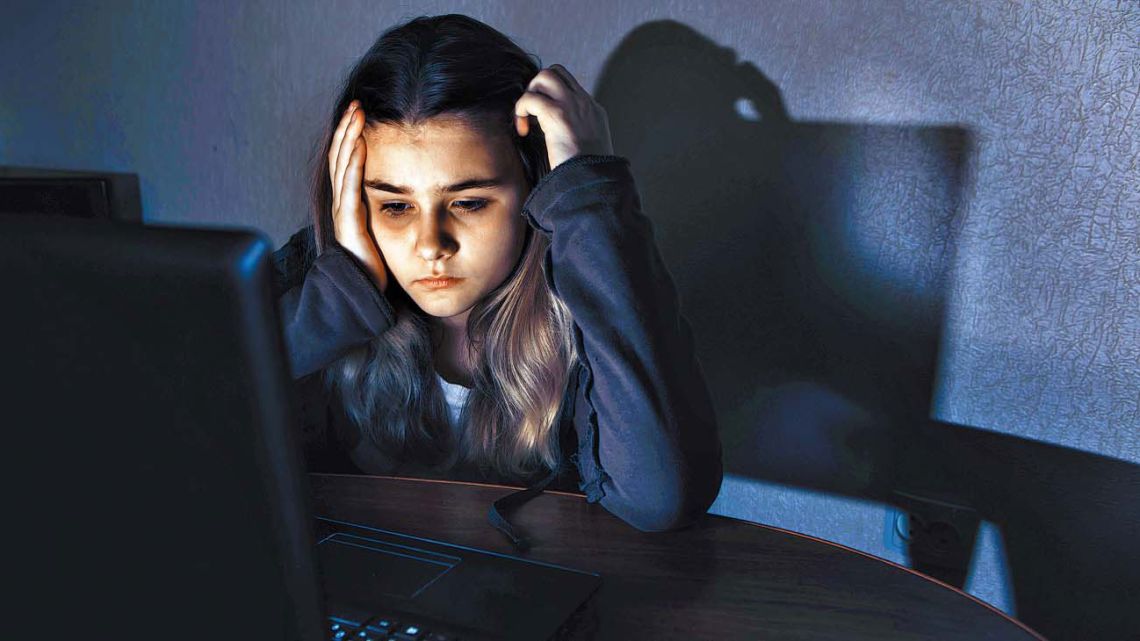


Not by intuiting, the specific data ceases to have a great impact: a company specialized in digital security developed an investigation to investigate in detail what the phenomenon of digital harassment is currently like, which thousands of users and –above all– users suffer daily through of internet According to conclusions of BTR Consulting, today one in four people claims to have suffered some form of harassment through different types of images. And 61% of women and girls who use social networks claim to have suffered”cyberbullying”.
The study is calleddigital gender violence” and, to reach their conclusions, they conducted a survey with questions and answers to more than 4,000 people between the ages of 15 and 45. The exact data indicates that 26% of those who responded stated that they had suffered some type of harassment, either through photos or images. To this is added that 15% of users have received images of sexual content, said or nudes taken without consent. Work, of course, also guarantees something sadly to be expected: women are more prone to receiving these attacks.
a few hours from the last Women’s Day, almost 61% of women and girls what do they use social networks He said he had suffered some digital harassment. The attacks were more frequent on Facebook (33%); then on Instagram (30%); WhatsApp with 16%; Twitter against 7%; TikTok with 14% and other platforms with 10%.
Despite being digital attacks, they are facts that bring real consequences: According to the conclusions of the respondents, one in five girls and young women reduced – or abandoned – the use of a platform or social network after being attacked. Apart from being sad, it is quite logical, since almost half of the girls and adolescents received threats of physical or sexual violence.
For the rest, this situation is not a local phenomenon: cyberbullying against women has become commonplace throughout the world and, according to United Nations experts, las women are 27 times more likely of being attacked on the internet than men.
Online abuse often has its correlation outside the digital world. In fact, 80% of those surveyed who were abused by a partner or ex online said it was part of a pattern of abuse they also experienced in the real world. As for digital abuse, it took many forms, but the “combination” routinely include monitoring networks or reading personal email; intimate photos or videos without consent and using GPS locators or other “spy sharing” software.
some tips to protect yourself are simple compliance:
1 use software anti virus
2 Choose passwords. safe and change them periodically
3 Data. Never provide personal data to inquiries made to you by telephone
4 different passwords. for each service you use.
5 Safe browsing. You must make sure that the Web pages you visit are safe to browse, verify that the site is correct and that, in addition, you have a “security lock” at the beginning of the address (URL).
6 Programs. Sign out of any programs and devices when you’re done using them.
7 Analysis.. It will periodically perform a full scan with your computer’s or phone’s antivirus.
8 Backup. It is advisable to back up all the information you have on your devices or in the cloud.
9 Authentication. Configure the option of two-factor authentication in those programs and services that allow it.
10 Protected connection. It is important to be connected to a secure network so that your browsing is protected. Try not to use public or open WIFI.
You may also like