
Oil rebounded from its lowest level in almost three months, while China is considering measures to revive the world’s second-largest economy.
West Texas Intermediate crude futures rose above $69 a barrel after losing more than 7% in the previous three sessions.
China surprised economists on Tuesday by cutting short-term interest rates, and Beijing is also considering a large stimulus package. In the United States, inflation slowed in May, reinforcing the idea that the Federal Reserve will pause raising interest rates.
Fires on the rise in Canada: air quality and oil production are threatened
“The risk is present” this morning, since markets assess the slowdown in US inflation and yesterday’s oversold crude, said daniel galli, Commodity Strategy at TD Securities. Investors will be watching for “drawdown in inventories or deep deficits this coming quarter for crude oil and time spreads to be on a sustainable uptrend.”
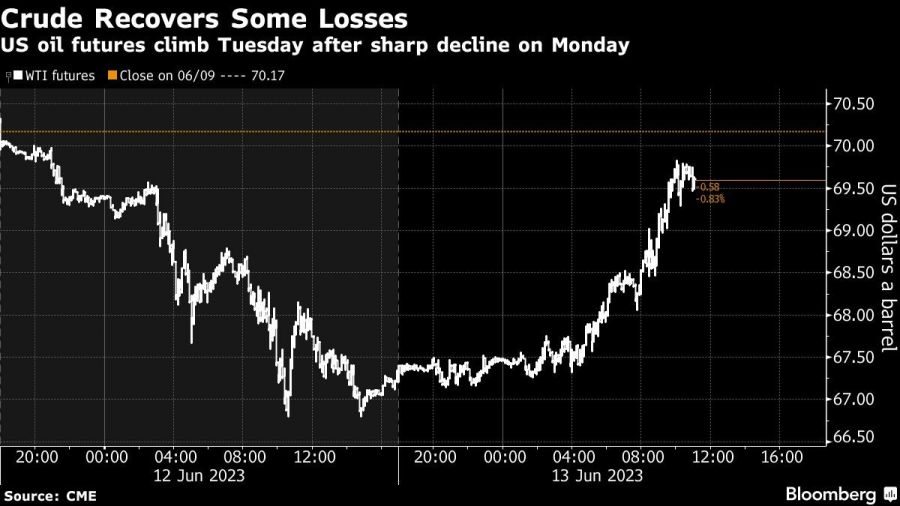
Factors that arise at the price of oil
Crude has been affected this year by the weak recovery in China, the world’s largest oil importer, evidenced recently by weak international trade and flight data from Northeast Asia that remains well below pre-pandemic levels.
Saudi Arabia’s promise to cutting production further in July has failed to encourage operators, and leading market indicators point to weakness in recent days and a bearish contango structure trailing further along the futures curve.
The resistance of Russian exports adds to the downward pressure. Goldman Sachs Group Inc. lowered its oil price projections on Sunday for the third time in six months, noting that he sees an increase in supply and a decrease in demand.
L