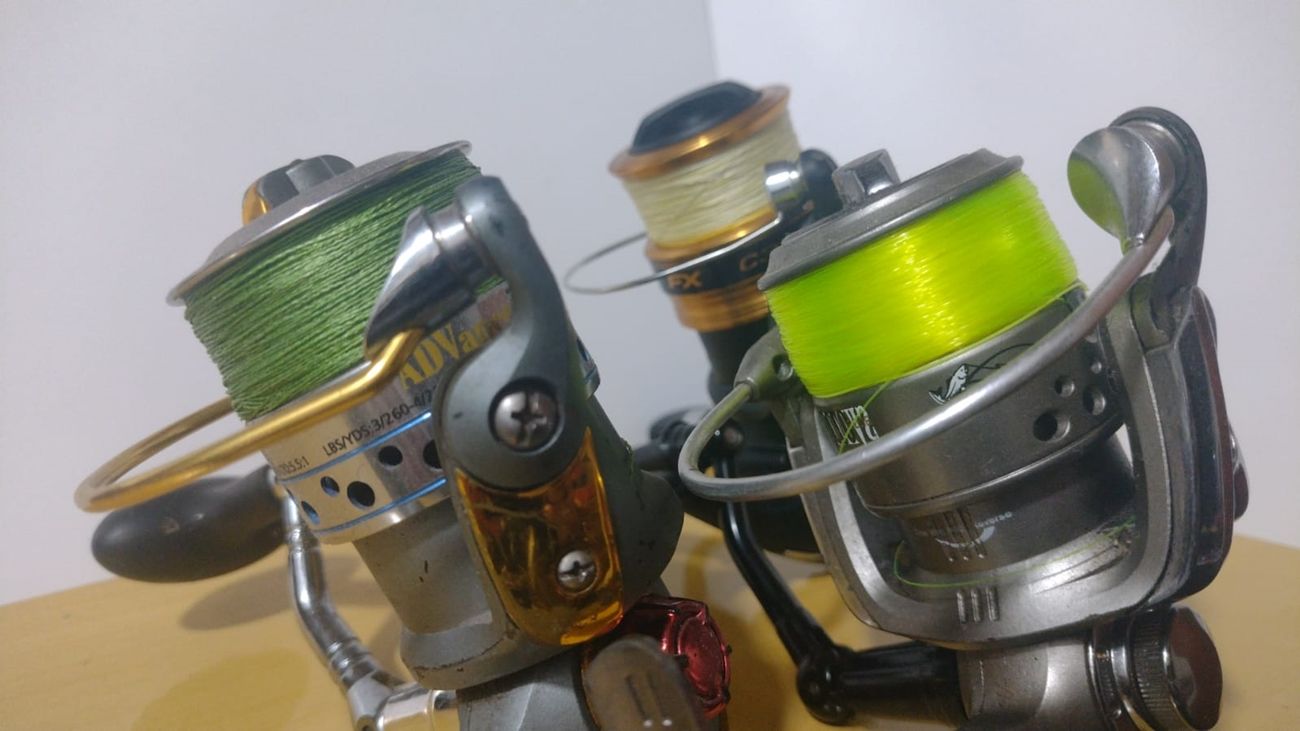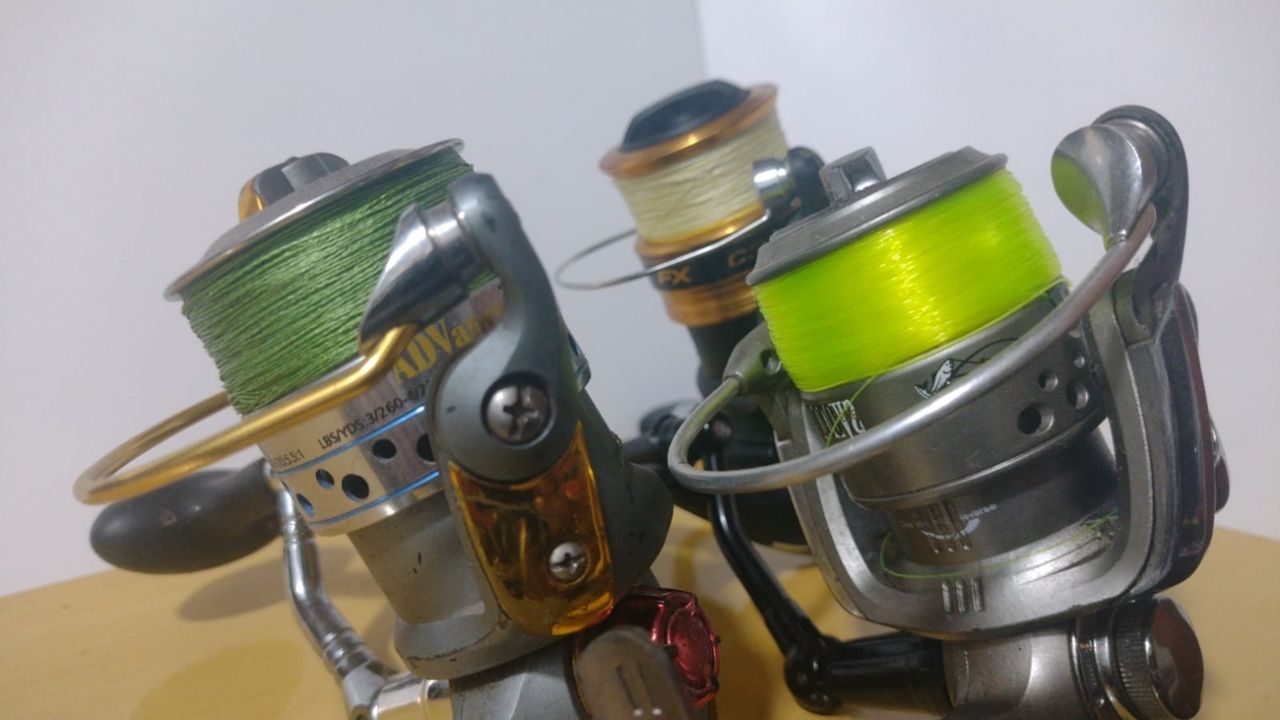

A few years ago, the multifilament, an element that revolutionized the world of sport fishing and made monofilament tremble, better known as nylon by anglers. It has become a favorite for silverside float fishing fans, although many are hesitant to use one over the other. We analyze the pros and cons, to help the fan to choose what to buy in a fishing house.
Why use multifilament?
Among the highlights of the multifilamentit must be said that it is very strong in relation to its diameter. The most classic is to use 0.12 to 0.16 mm, although some use thinner and others thicken a little more. It has the great advantage that does not stretch, which generates that nailing from a distance we have great efficiency. besides, floats by itself we don’t need to add floating lines and we don’t need to acquire memory, a problem of its cousin, nylon.
If we see the problems, it is necessary to have grommets suitable for multifilament, since It is a very hard fiber and it can hurt them. and we must pay close attention the knots, since they slip when closing them. A simple solution is to tie a small figure-of-eight knot at the tip of the multi, so that when the knot slips it will catch when you reach the end. When there is a lot of wind, another problem that appears is that it can cause the line to work badly, since the multi rises, unlike nylon that grips the water better.
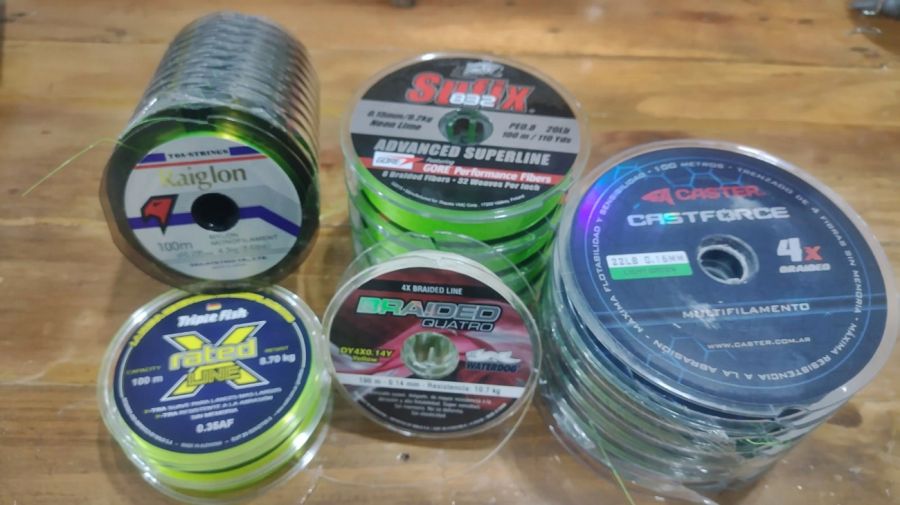
Why use monofilament?
Nylons have changed a lot in recent years, although there are brands that historically were uncut. The reality is that the quality has improved a lot and it continues to be the most used in sport fishing, despite the fact that multi has grown exponentially in followers. This variety allows you to choose between soft, ideal for setting up the rig, and harder. Today there are very fine nylons with great resistance, allowing the use of measurements such as 0.18 or 0.20 mm, which are vital to find distance, with a whip, from the coast. If we fish for pejerrey in the sea, from the coast, the fine diameters mean that the wave does not exert much pressure and, consequently, it is not dragged by the force of the current, as would happen with one of a larger diameter. A big plus, as is the cost, a good nylon is worth a low quality multi.
In the cons, one is the memory that they can acquire, mainly if we use low-quality monofilament. Within our possibilities, get a line the smoother it is the better as its memory capacity will be less.
In conclusion, we can recommend having two reels, one loaded with a good nylon, another, preferably metal, with multi. That will give us two options when looking for the pique correctly.
You may also like
image gallery