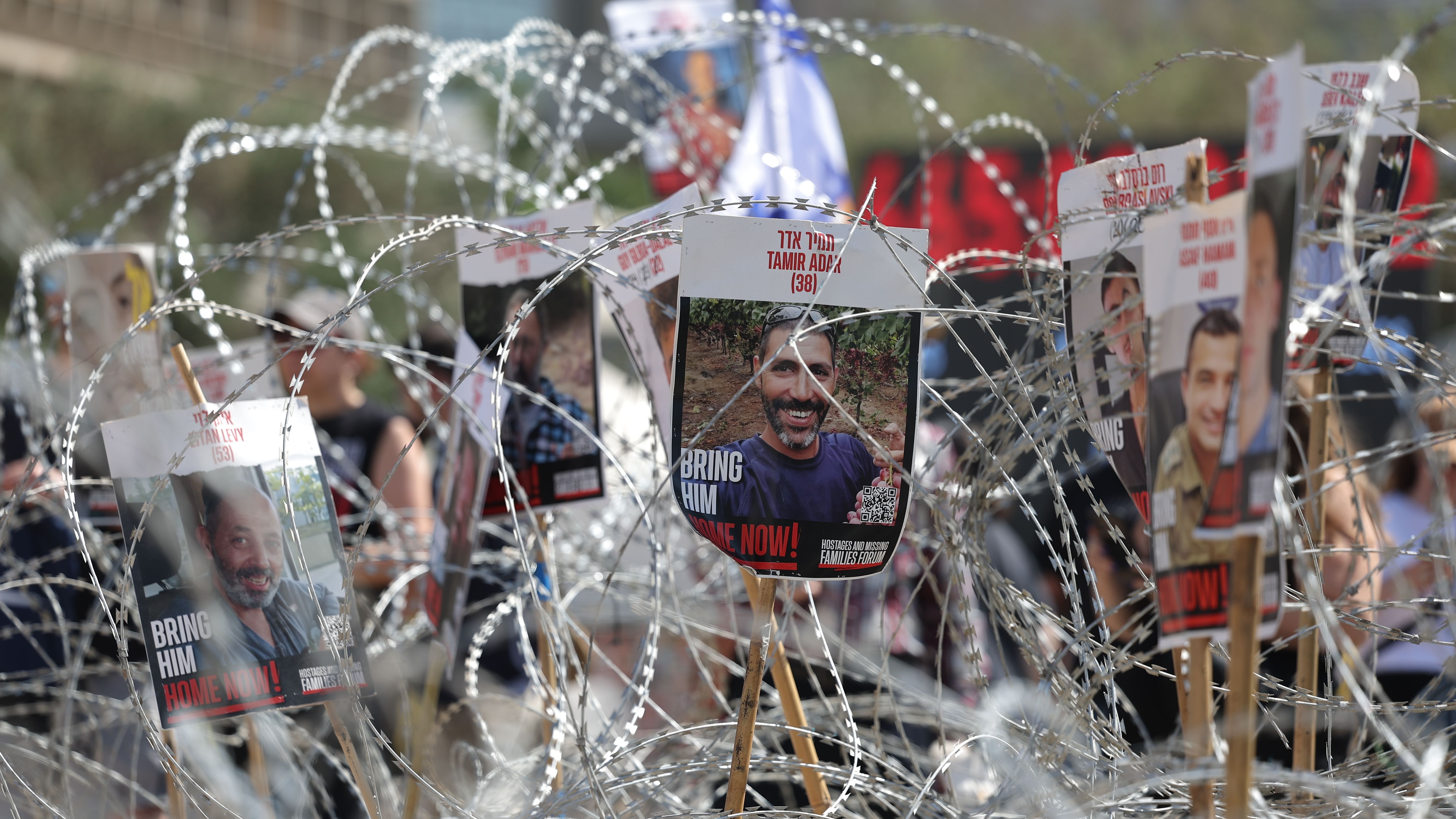

Widespread demonstrations have swept across Israel in response to the release of distressing footage from Gaza that shows visibly weakened hostages in captivity. Tens of thousands of people gathered in major cities, demanding urgent action from the government to secure the release of Israeli citizens believed to be held by militant groups. The emotional response has reignited national debate about the handling of hostage negotiations and the broader conflict dynamics in the region.
The newly published videos, distributed by militants in Gaza, show multiple captives in poor physical health. Their emaciated looks and quiet expressions have sparked a surge of worry, outrage, and demands for swift action. Although the legitimacy of the videos is still under examination, they have already deeply affected Israeli society and intensified the urgency of continuous efforts to negotiate their freedom.
In Tel Aviv, Jerusalem, and other urban centers, protesters have filled public squares, carrying signs, chanting slogans, and urging elected officials to prioritize the safe return of the hostages. Families of the missing have taken a central role in the rallies, sharing emotional appeals and demanding greater transparency in the government’s response.
Speakers at the events called on the government to intensify negotiations through international mediators, including Qatar, Egypt, and the United Nations. Others demanded clearer communication about what steps have been taken so far, as speculation and anxiety continue to grow across the country.
The leadership in Israel is now under increased examination concerning its strategy for recovering hostages. Authorities have recognized the presence of the videos and have stated that some of the people depicted are thought to be Israeli citizens taken in previous cross-border situations. Although the government has reaffirmed its dedication to ensuring their freedom, it has provided limited details regarding current negotiations, due to the sensitive nature of the issue.
Security experts and political analysts have pointed out that public pressure may accelerate diplomatic or military initiatives, though any move carries significant risks. Balancing national security concerns with humanitarian imperatives remains one of the most complex challenges facing Israeli policymakers at this moment.
Certain Knesset representatives have suggested forming special parliamentary committees again to manage hostage issues, stressing the need for a more unified and open structure. At the same time, opposition leaders have reproached the government for what they term a scattered and reactive approach, urging for a more forward-looking stance globally.
The pictures coming out of Gaza have sparked fresh criticism from civil rights organizations in Israel and overseas. Groups like Amnesty International and Human Rights Watch have demanded the urgent freedom of all civilian captives and emphasized to all sides their duties under global humanitarian regulations.
The physical condition of the captives, as portrayed in the footage, has raised alarm over potential violations of detainee rights. Experts warn that prolonged deprivation, inadequate medical care, and psychological abuse could amount to serious breaches of the Geneva Conventions, particularly if the hostages are civilians and have not been granted access to international oversight.
Advocates for prisoner rights have called on neutral actors—such as the International Committee of the Red Cross—to be granted access to the detainees, a demand echoed in protest signs and public petitions circulating in Israel and beyond.
The footage has also drawn responses from the global community, with several governments urging an end to hostage-taking and emphasizing the importance of diplomatic resolution. The United States, a key ally of Israel, has expressed solidarity with the families of the hostages and reaffirmed its support for Israel’s right to defend its citizens while urging restraint in any retaliatory measures.
European Union representatives have likewise urged for the compassionate handling of captives and have expressed willingness to aid in negotiation initiatives focused on ensuring their secure repatriation. Local contributors—such as Jordan and Egypt—have released remarks highlighting the unsettling impact of hostage scenarios on tranquility and stability throughout the larger Middle East.
Some diplomats have suggested that the release of such footage may be a strategic move by Gaza-based militant factions to extract political or tactical concessions. However, the move has largely backfired in terms of public relations, hardening Israeli public opinion and reducing the likelihood of political compromise in the short term.
Beyond the political and diplomatic outcomes, the hostage situation is profoundly impacting the emotions within Israeli society. Numerous families are experiencing trauma reminiscent of previous conflicts, and the unpredictability regarding the captives’ situations has fostered an atmosphere of widespread worry. Mental health experts indicate an increase in symptoms linked to stress, especially in communities closely connected to those who are thought to be held.
The recent demonstrations have acted as an expression of public sorrow and a platform for community unity. Events like candlelight vigils, prayer sessions, and symbolic empty chairs have become typical elements of these gatherings, highlighting the personal aspect of the national protest.
Educational institutions, religious temples, and local community hubs have united to enhance awareness by hosting learning events and organizing resource collections to aid impacted families. These community-driven initiatives emphasize the shared societal agreement on the necessity for strong measures.
As the circumstances continue to develop, Israeli leaders encounter growing pressure to reevaluate their strategy. Though military solutions are still possible, the hazards linked to direct action in densely populated or adversarial regions are substantial. On the other hand, pursuing diplomatic avenues might present a way ahead, but this necessitates collaboration with global parties and potentially intricate discussions.
This moment marks a critical juncture in Israeli policymaking, as leaders must weigh competing priorities: securing the release of hostages, preventing escalation, and maintaining the confidence of a deeply concerned public.
The release of unsettling footage showing visibly malnourished hostages has galvanized Israeli society, prompting one of the largest protest movements in recent months. The outpouring of emotion reflects not only compassion for those held in captivity but also a collective demand for action and accountability.
As diplomatic endeavors gain momentum and authorities reevaluate their plans, one fact stands out: the destiny of the hostages has emerged as a pivotal matter for the nation’s political landscape and societal awareness. The manner in which this is handled could influence the nation’s stance on conflict, negotiation, and public participation in the long term.