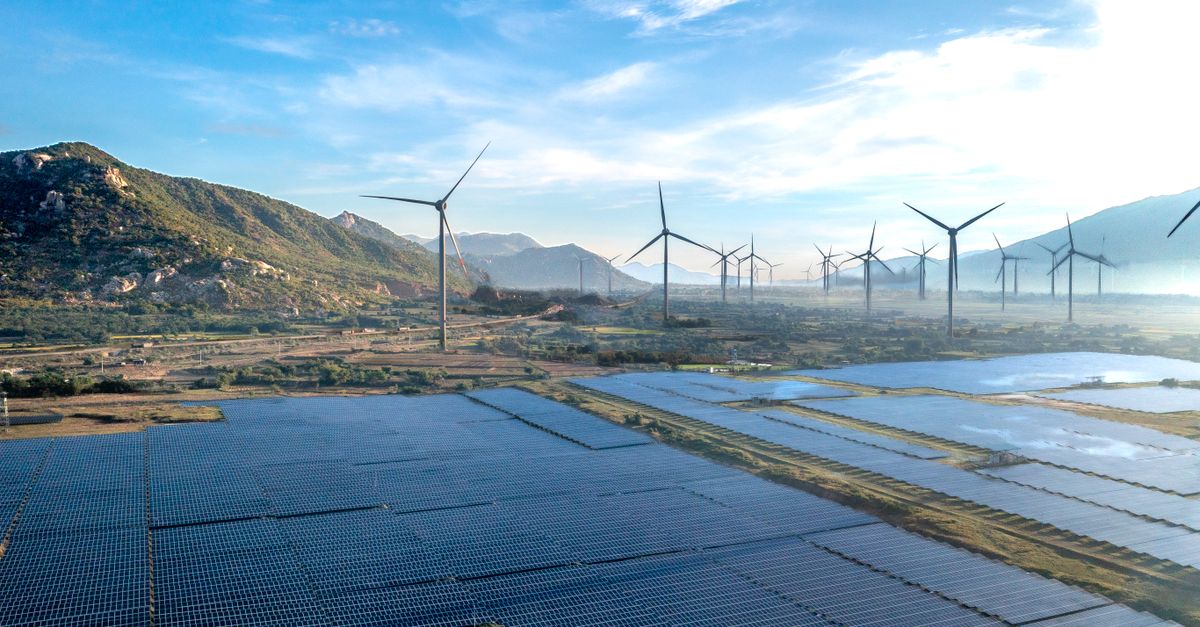

The shift from fossil fuels to low-carbon energy systems is neither uniform nor inevitable. Countries progress at different rates because the transition depends on a complex mix of economics, institutions, resources, technology, politics and history. Understanding these interacting factors explains why some nations race ahead with rapid renewables deployment while others move slowly despite clear climate and economic incentives.
Key forces that accelerate or hinder transitions
- Economics and cost structures: Falling costs for wind and solar have made renewables competitive in many markets, but the full cost of deployment depends on local prices, taxes and, crucially, the cost of capital. Countries with low borrowing costs can build projects much more cheaply than countries where lenders charge high risk premiums.
- Resource endowment: Access to abundant renewable resources — wind, sun, hydropower — shapes opportunity. Denmark and parts of the U.S. have exceptional wind resources; much of Australia and the Middle East have abundant solar resource. Countries with plentiful hydro (Norway, Brazil) have long had low-carbon electricity.
- Existing infrastructure and path dependence: Large, sunk investments in coal plants, pipelines, refineries and grid assets create inertia. Regions with modern flexible grids and interconnections adopt variable renewables faster; coal-dependent utilities and mining regions resist rapid change.
- Policy and regulatory frameworks: Stable, predictable policies — carbon pricing, auctions, standards, grid access rules — lower investor risk and accelerate deployment. Policy volatility or abrupt subsidy removals can stall growth for years.
- Market design and system flexibility: The capacity to integrate variable renewables (storage, demand response, flexible generation, transmission) determines how much wind and solar a system can absorb without compromising reliability.
- Finance and investment flows: Public bank lending, green bonds, and international finance unlock projects. Conversely, limited domestic capital markets or regulatory barriers to foreign investment slow deployment.
- Political economy and vested interests: Strong incumbent industries, unions, and regional employment tied to fossil fuels can create powerful resistance to rapid shifts, while active civil society and business coalitions can push faster change.
- Social acceptance and distributional concerns: Local opposition (NIMBYism), equity impacts on energy-poor households, and perceptions of fairness influence policy choices and siting of projects.
- Technology and manufacturing capacity: Local manufacturing capability for panels, turbines, batteries and grid equipment matters for cost, jobs and speed. China’s integrated supply chain dramatically lowered global costs and accelerated deployment worldwide.
- International and geopolitical context: Trade policy, global supply chains, access to critical minerals, geopolitical tensions and climate finance flows all influence pace and choices.
Illustrative dynamics that reveal how these drivers interconnect
- Cost of capital amplifies disparities: Two nations with the same solar irradiance may end up with sharply different LCOE (levelized cost of electricity) because their financing conditions diverge. Elevated sovereign risk and unstable currencies push required returns higher and can make projects financially unviable.
- Policy unpredictability heightens perceived risk: Governments that revise incentives without warning can cause investment to stall even when core conditions are strong. Long-term contracts, clearly structured auctions and transparent grid access help lower uncertainty and mobilize capital.
- Grid readiness acts as a constraint rather than a supply problem: Even where power generation is inexpensive, limited transmission capacity, insufficient balancing resources or unreliable forecasting can restrict how much variable renewable energy the grid can integrate without storage or backup.
- Social and employment transitions carry political weight: Areas reliant on coal mining or oil extraction face significant social impacts from rapid phase-outs. Without credible retraining programs, compensation measures and broader economic diversification, political resistance can hinder national progress.
Specific country-level examples
- Denmark: High wind uptake has been secured through stable long-term policies, widespread community ownership, strong public backing and extensive links to neighboring grids. In several years, wind has delivered a substantial share of electricity, reflecting swift integration supported by robust system planning.
- Germany: Ambitious renewable ambitions and broad deployment within the energy transition framework have pushed renewable shares upward, yet the parallel nuclear phase-out and continued lignite reliance show how policy pathways and structural legacies can lead to mixed results.
- China: Large-scale, state-directed expansion combined with vast domestic manufacturing capacities has sharply lowered global solar and wind costs. Although China dominated annual capacity additions for years, ongoing coal plant development in some provinces underscores the challenge of balancing growth, system reliability and climate objectives.
- United States: Progress varies widely: states such as California and Texas advance quickly due to supportive policies and strong economics, while states with significant coal resources or limited policy action move more slowly. Federal-state divisions and regulatory complexity strongly influence overall outcomes.
- India: Rapidly rising renewable ambitions and auction-driven development encounter grid integration issues, land and permitting hurdles, and the imperative to maintain affordable, reliable energy access for a growing population.
- Brazil and Norway: Their high hydropower shares have long delivered low-carbon electricity, yet challenges such as severe droughts in Brazil and the broader need to electrify additional sectors make complementary renewables and storage increasingly important.
- South Africa: Deep coal dependence, financial strain within the state utility and pressing social issues have slowed progress, even with international initiatives like Just Energy Transition Partnerships aimed at providing finance and supporting affected workers.
- Gulf oil exporters: Heavy fiscal reliance on hydrocarbons limits political momentum for rapid domestic shifts, though several states are investing in large solar facilities, green hydrogen pilots and renewable projects to diversify economies and prepare for evolving global demand.
Data and measurable patterns
- Renewable cost declines: Since 2010, utility-scale solar module and battery costs have plunged, driving notable LCOE reductions across numerous markets and allowing renewables to reach cost competitiveness with fossil-based power in optimal settings.
- Investment concentration: A limited group of countries generates a significant portion of global renewable deployment and clean energy manufacturing, accelerating the spread of technologies and reinforcing cost efficiencies.
- Variable uptake by sector: Power generation tends to decarbonize more rapidly than transport, industry and buildings due to more straightforward technology options and economics. Electrifying heating systems and energy-intensive industries progresses more slowly and demands more complex solutions.
What accelerates transitions — policies and practical measures
- Stable, market-friendly incentives: Predictable bidding rounds, durable agreements and carbon price signals help reduce investor uncertainty.
- Grid upgrades and regional markets: Expanding transmission, improving interconnections and refining market rules that value flexibility support higher renewable penetration.
- Access to affordable finance: Blended capital, development bank support and risk guarantees help lower financing costs in emerging economies.
- Industrial policy for local jobs: Backing domestic production along with workforce upskilling nurtures political backing and keeps economic gains within communities.
- Social dialogue and transition plans: Well-defined compensation, employment initiatives and community participation help ease pushback in areas reliant on fossil industries.
- Strategic supply chain planning: Broadening sources of key materials and investing in circular recovery cuts vulnerability to supply constraints and geopolitical shocks.
- Integrated planning across sectors: Aligning electricity, mobility, heating and industrial strategies speeds up electrification and strengthens demand-side flexibility.
Barriers that require targeted responses
- High upfront capital needs: Tackle these through concessional funding options and instruments that lower investment risk.
- Policy volatility: Embed reforms in legislation and establish multi-year objectives to secure continuity.
- Grid constraints: Focus on expanding transmission, enhancing storage, and shaping market mechanisms that incentivize flexible operations.
- Equity and access concerns: Create tariff structures and initiatives that safeguard low-income households and distribute advantages widely.
- Supply chain concentration: Encourage domestic capabilities where practical and foster international coordination on essential materials.
Global energy transition is unfolding as a patchwork shaped by local conditions rather than a unified worldwide movement, with economic motivations, institutional resilience, resource availability, technological capacity and political decisions combining to define each nation’s path. Swift advances emerge when consistent policies, accessible financing, adaptable grids and public support converge, while momentum slows in places where entrenched investments, elevated capital costs, institutional fragility or societal pushback hinder change. Meaningful acceleration thus depends on crafting tailored blends of financing tools, regulatory measures, infrastructure development and social strategies suited to each country’s circumstances, complemented by international collaboration to disseminate technologies, reduce expenses and manage collective risks.


