
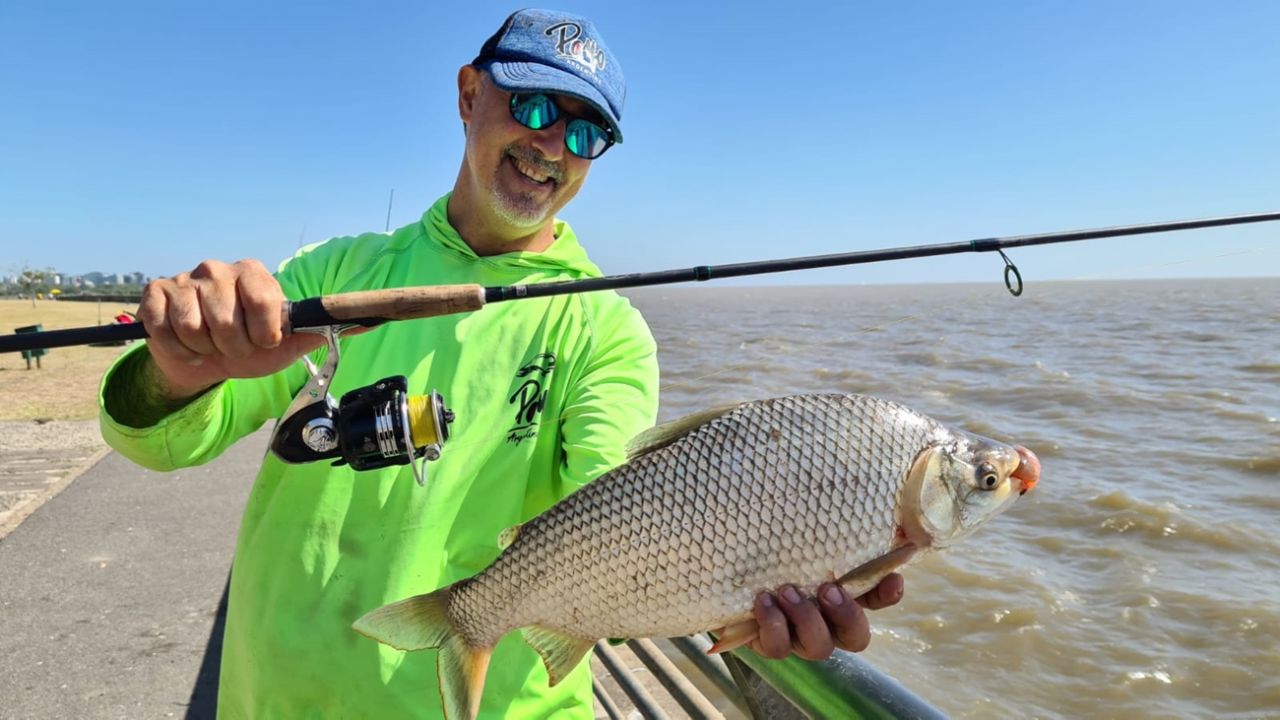

The graduate in biological sciences Valeria Liset Kratochvil presented the results of an investigation together with the Institute of Ichthyology of the Northeast (Inicne), where she put a technical test of age and growth prediction based on the morphometry and otolith weight of the shad (Prochilodus lineatus). She proposed these predictive techniques as an alternative to minimize the difficulties in obtaining the age of the fish by processing otoliths and reading growth rings. Her work can be seen complete in the repository of the Northeast National University.
They concluded that the age-predictive techniques performed in this study did not replace the well-studied traditional techniques because they are not as accurate. However, it is relevant to delve into this subject in future work, since it could become a good alternative to complement and enhance other studies where it is necessary to know the age of the fish. The results presented in this work are fundamental as a contribution to the studies of age and growth of Prochilodus lineatus in Argentina, mainly because it is a species with great commercial interest in the country.
The study of fish otoliths appears as a fundamental tool to know the life history of the target species of fisheries. Otolith biometry is used to quantify the harvest and similarity of the same, and allows the description, standardization and integration of morphological data with others of a physiological, molecular and ecological nature. This field of science is widely used in determining the age of teleost fish. The otoliths of teleost fish are complex polycrystalline bodies composed mainly of precipitated calcium carbonate in the form of aragonite and small amounts of other minerals embedded in an organic matrix and are housed in the vestibular apparatus. The vestibular apparatus is an organ of balance and is suspended in the otic capsule and contains the semicircular canals and three ampullae called the saccule, lamp, and utricle. The main method for making age inferences through otolith is by reading the growth rings that occur periodically. This can be done in several ways, for example, by cutting the otolith in different planes or by taking readings on the entire otolith.
Species under study
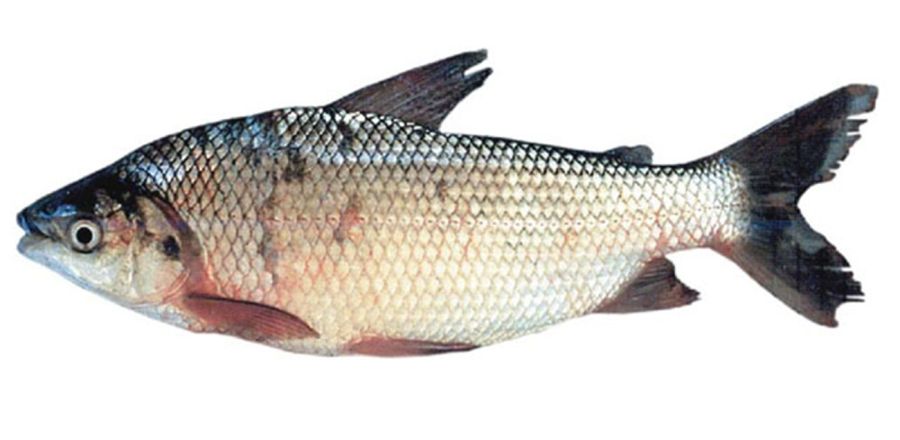
The rivers of the La Plata basin, like all the great rivers of South America, have a great diversity of fish, with Prochilodus lineatus being the species with the highest biomass in the entire basin. The tarpon is widely distributed throughout the Río de La Plata basin in Bolivia, Brazil, Paraguay, Uruguay and Argentina. It is also found in the endorheic system of the Salí river basin and the Mar Chiquita lagoon in the Córdoba province of Argentina. To the south, it extends to the mouth of the Río de La Plata and the Río Salado. It is a species without sexual dimorphism, with an age of first maturation before two years of life. The abundance of the species could be due to its detritivore feeding habit and its successful reproductive strategy, suitably adapted to the natural regime of flood pulses of the system. Its periodic life cycle maximizes reproductive success in situations of cyclical environmental fluctuations on a large scale and variable magnitude, such as the flood and dry season cycles in the Paraná. She is considered a long-distance migrant. There are studies on the migrations of this species in the Upper, Upper, and Middle sections of the Paraná River that are relevant when explaining the coexistence of long-distance ascending migrations toward breeding areas, called reproductive migrations, and descendants toward feeding areas. where fish find food and better environmental conditions for growth known as trophic migrations. Reproductive migrations occur in spring/summer, spawning occurring as the hydrometric level increases. The pelagic eggs are carried downstream by the current, and after about 12-18 h the larvae hatch and enter the flood valley thanks to high water connectivity, where they find food and shelter.
samples
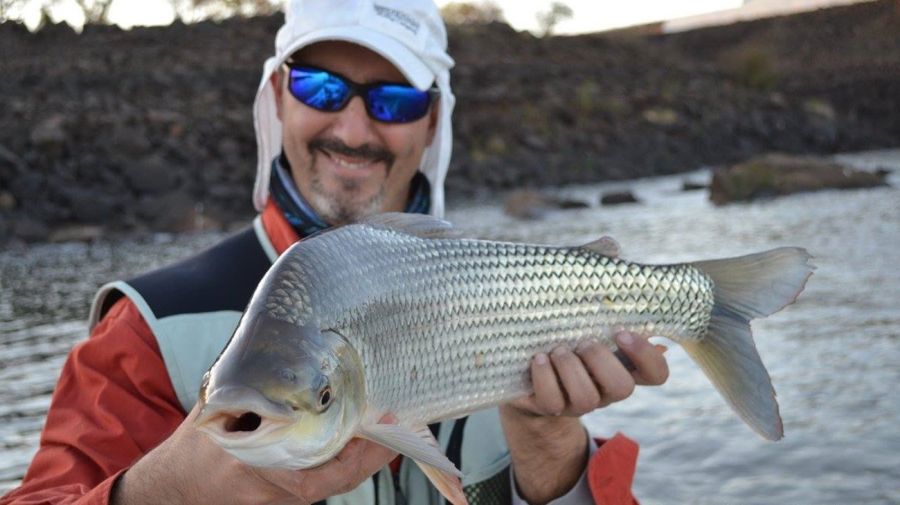
Sampling in the main channel of the river was carried out on a monthly basis. For the fish catches in the main channel, a battery of monofilament nets (2.4 to 20 cm mesh opening between node and intercalated knot) was removed, placed in 48-hour cycles, and the trips for the collection of the catches were carried out at intervals of 6 to 8 hours. The fish collected at each site and the survey date were classified by net of origin and the following variables were recorded, among others: total weight and standard length. A total of 84 specimens of tarpon were captured in monthly demonstrations carried out from June to October 2021 at two demonstration points in a sector of the Upper Paraná River, downstream of the Yacyretá dam. The biometry of the total fish was 1,256 kg on average and an average of 366 mm in standard length. Most of the fish caught are 5 years old.


