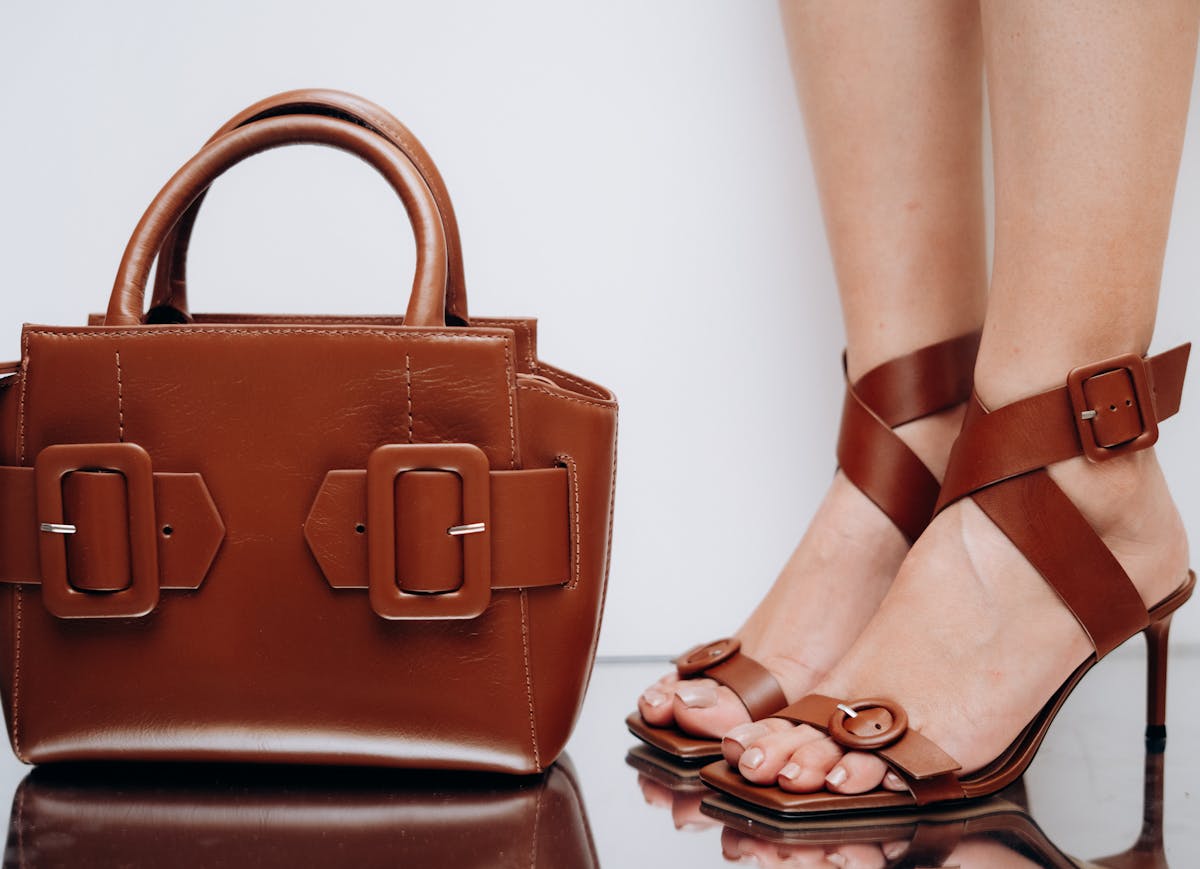
Footwear design is a unique blend of art, science, and technology focused on creating shoes and other types of footwear. This multifaceted discipline requires a deep understanding of aesthetics, functionality, and ergonomics, merging these aspects to produce footwear that is not only visually appealing but also comfortable and tailored to meet specific needs.
Anatomy of Footwear Design
The process of footwear design begins with understanding the anatomy of a shoe. Designers consider elements such as the upper, insole, midsole, and outsole. Each component has its own set of functions and desired outcomes, contributing to the overall performance and aesthetics of the final product. For instance, the outsole is crucial for traction and durability, often made from rubber or synthetic materials. Meanwhile, the insole provides comfort and is typically crafted from foam or gel.
Cultural and Functional Considerations
Footwear design is not merely about appearance. It incorporates cultural, social, and functional considerations. Designers must stay informed about various trends and consumer preferences, such as the growing demand for sustainability in shoe manufacturing. This involves choosing eco-friendly materials and ethical production methods to minimize the environmental impact.
Functional considerations are crucial, particularly for specific types of footwear like sports shoes or orthotic footwear. For example, running shoes are engineered to provide cushioning, support, and shock absorption, catering to the dynamic movements of athletes. Conversely, orthotic shoes are designed to address specific health concerns, offering support and alignment for individuals with foot disorders.
Advances in Modern Footwear Crafting
The footwear industry has witnessed significant advancements in recent years, driven by technology and changing consumer needs. One such innovation is the use of 3D printing, which allows for rapid prototyping and the creation of customized designs. This technology enables designers to experiment with intricate patterns and personalized fits that were previously unachievable.
Smart footwear is another emerging trend, integrating sensors and digital connectivity to provide wearers with data on their activity levels or gait patterns. These advancements reflect a growing intersection between fashion and technology, prompting designers to consider how digital features can be embedded seamlessly into the design.
Examples and Case Studies
A notable example of innovative footwear design is Nike’s Flyknit technology. Launched in 2012, Flyknit revolutionized the way shoes are made by using lightweight, high-strength fibers to create a form-fitting upper. This innovation resulted in a significant reduction in material wastage, showcasing a move towards sustainable practices.
Another impactful design is the collaborative work between Adidas and Parley for the Oceans. This partnership focuses on making high-performance shoes from recycled ocean plastic, addressing environmental concerns while maintaining industry standards for quality and performance.
The Art and Science of Footwear Design
Footwear design is an intricate balance of art and science. A designer must possess artistic vision to create aesthetically pleasing pieces, but also a scientific mindset to address technical challenges. The discipline demands an ongoing dialogue between creativity and practicality, where each design problem presents an opportunity for innovation.
Reflecting on the state of footwear design, it is clear that this field continues to evolve at a fascinating pace. The integration of modern technology, sustainability practices, and cultural nuances form the keystone of contemporary design philosophy. As trends and technologies evolve further, so too will the possibilities within footwear design, heralding a future that ingeniously melds functionality with style.