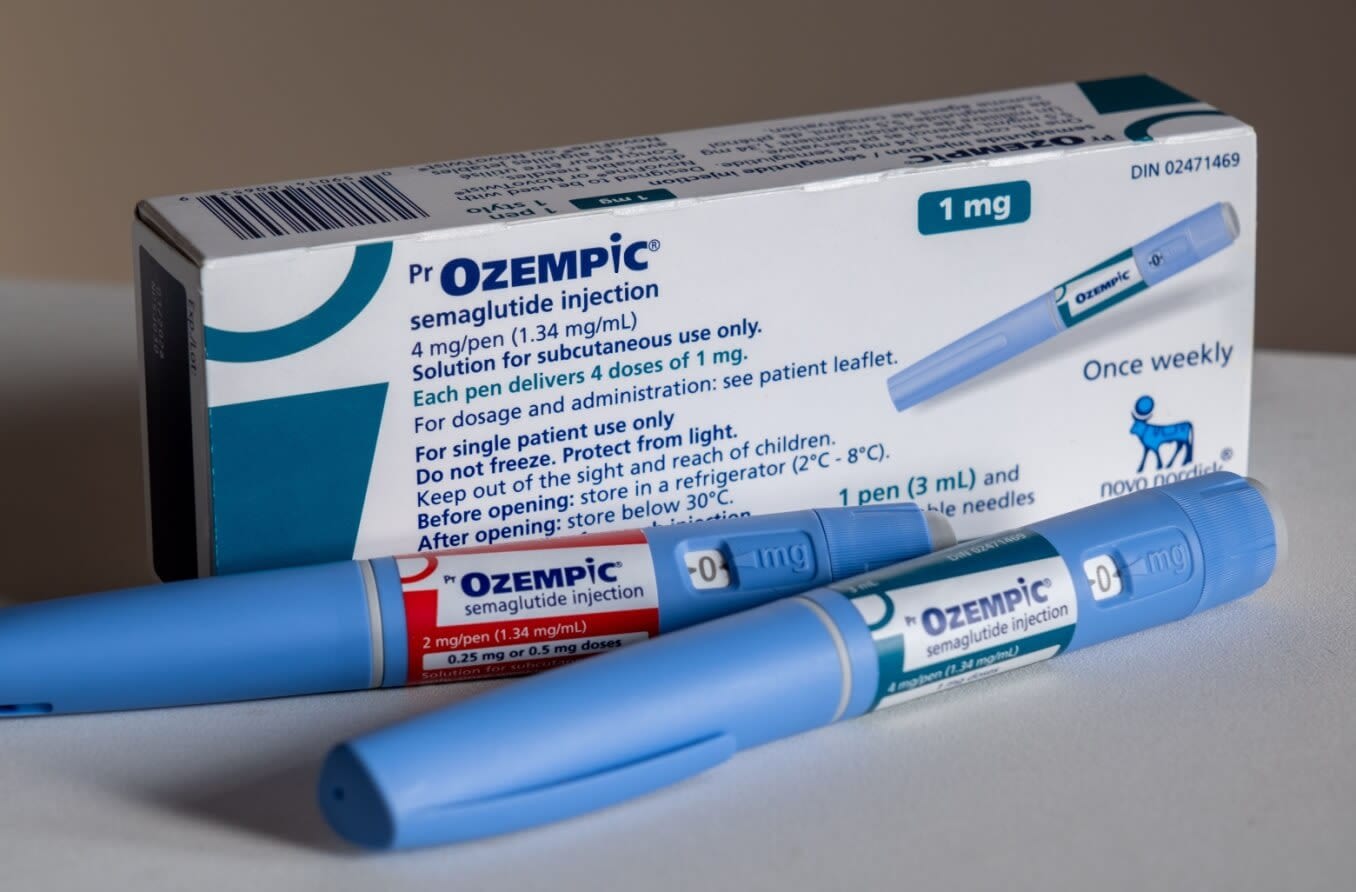

Semaglutide, a medication widely prescribed for type 2 diabetes management and more recently for weight control, has generated both excitement and concern in the medical community. While its effectiveness in regulating blood sugar and supporting weight reduction is well documented, some reports and studies have raised questions about whether it could be linked to vision problems, including a potential risk of vision loss. This possibility has understandably attracted attention from patients and healthcare professionals, making it important to separate scientific evidence from speculation.
To understand the debate, it is helpful to look at what semaglutide is and how it works. As a glucagon-like peptide-1 (GLP-1) receptor agonist, the drug helps regulate blood sugar by enhancing insulin secretion, slowing gastric emptying, and reducing appetite. These mechanisms not only aid in managing diabetes but also support weight loss, which explains why semaglutide has become one of the most talked-about medications in recent years. However, because diabetes itself is a leading cause of vision-related complications, determining whether semaglutide contributes directly to eye damage or whether vision changes stem from underlying disease progression is a complex issue.
One of the key concerns originates from clinical trials where patients taking semaglutide experienced higher rates of diabetic retinopathy complications compared to those on placebo. Retinopathy, a common complication of long-term diabetes, occurs when high blood sugar levels damage blood vessels in the retina, leading to vision impairment or, in severe cases, blindness. Researchers noted that individuals with a history of advanced diabetic retinopathy seemed more likely to experience worsening symptoms when they began semaglutide treatment.
The explanation may lie not in the drug itself causing direct harm, but in the rapid improvement of blood sugar levels. When glucose levels drop quickly, especially in people with long-standing diabetes and preexisting eye conditions, the sudden change can sometimes trigger short-term progression of retinopathy. This phenomenon is not unique to semaglutide; it has been observed with other intensive glucose-lowering treatments as well. Over time, however, maintaining stable blood sugar generally reduces the long-term risk of vision loss.
It is also important to recognize that semaglutide has not been definitively proven to cause vision loss in individuals without preexisting eye conditions. For patients with early or no signs of retinopathy, the risk appears lower, though ongoing monitoring remains essential. The U.S. Food and Drug Administration (FDA) and other regulatory agencies have required warnings about potential retinopathy complications in labeling, advising healthcare providers to exercise caution when prescribing semaglutide to patients with advanced eye disease.
Beyond clinical trial data, real-world experiences provide additional context. Many patients using semaglutide for diabetes or weight management report improvements in overall health without any noticeable eye problems. At the same time, ophthalmologists emphasize the need for regular eye exams for anyone with diabetes, regardless of treatment type, since timely detection of retinopathy can prevent severe vision loss. The question, therefore, is not whether semaglutide universally causes vision impairment, but whether it may pose added risk to specific patient populations.
Health professionals recommend that thorough evaluations and personalized treatment plans are the optimal methods to reduce possible dangers. Individuals with a history of retinopathy are advised to confer with their endocrinologist and eye doctor prior to commencing semaglutide, guaranteeing that any visual alterations are carefully supervised. For those not suffering from severe eye conditions, the advantages of improved blood glucose management and weight loss might surpass the possible threats, particularly when combined with proactive eye health measures.
The discussion regarding semaglutide and potential vision complications highlights an important aspect of contemporary medicine: impactful therapies frequently involve compromises, and the associated risks may differ based on a patient’s medical background. Although the media might emphasize alarming scenarios, the general scientific agreement suggests a more complex perspective. For the majority of patients, semaglutide serves as a beneficial treatment, yet, as with any medication, it is essential to take into account specific health circumstances and maintain regular assessments.
Semaglutide has not been conclusively shown to directly cause vision loss, but it may increase the risk of worsening retinopathy in individuals who already have advanced diabetic eye disease. The underlying factor appears to be the speed of blood sugar improvement rather than the medication itself damaging vision. With proper medical guidance, routine eye exams, and a personalized treatment approach, many patients can safely benefit from semaglutide’s advantages while minimizing potential complications.
Rather than viewing semaglutide as a dangerous medication, it is more accurate to see it as a powerful tool that demands responsible use. Its role in managing diabetes and supporting weight loss is significant, but like all tools, it works best when applied thoughtfully, with awareness of both its strengths and its limitations. For patients and healthcare providers alike, the focus should remain on balance: maximizing health benefits while safeguarding vision through proactive care and regular monitoring.