
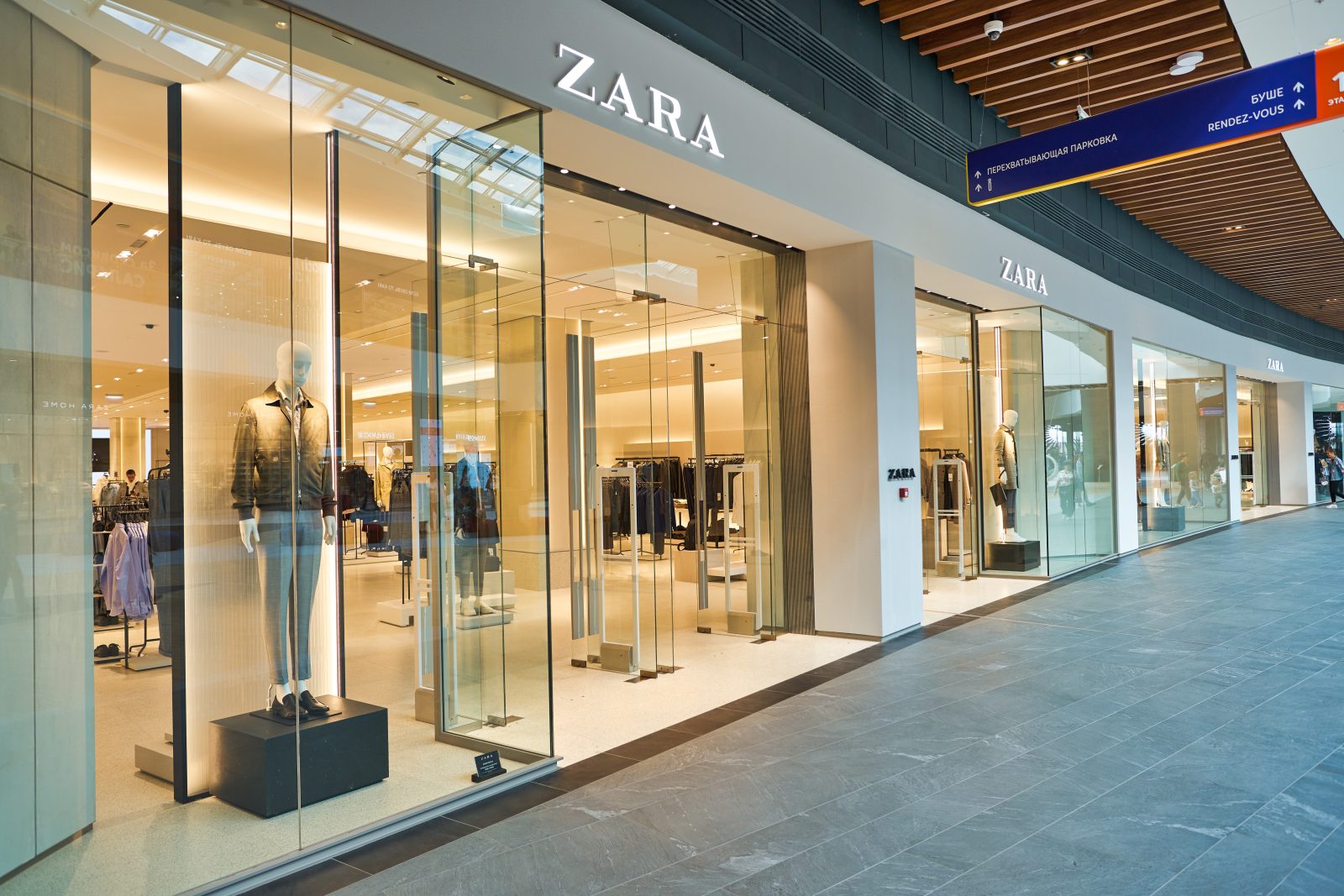

Fashion giant Zara has come under regulatory scrutiny after some of its advertisements were banned for featuring models deemed to promote an unhealthy body image. The decision, made by advertising authorities, follows public complaints that the models showcased in the campaign appeared excessively thin, raising questions about the brand’s portrayal of beauty and health.
The disputed advertisements were a component of a larger promotional strategy by the global retailer, recognized for its rapid-fashion method and worldwide reach. Although the images aligned with the company’s classic minimalist look, the portrayal of the models caused worry. Authorities determined that the pictures might be seen as endorsing or idealizing unhealthy body images, especially given the setting where fashion marketing is known to shape public opinion—particularly among younger and easily influenced viewers.
Authorities reviewed the campaign and concluded that the models’ physical appearance fell below acceptable thresholds of healthy representation. The decision to remove the ads was not based solely on one image or subjective interpretation but rather on a comprehensive assessment that considered prevailing health standards, industry guidelines, and feedback from the public.
The prohibition forms a part of a larger initiative by authorities in different nations to ensure companies take responsibility for their advertising messages. Lately, issues regarding body perception, eating disorders, and unattainable beauty ideals have been prominent in debates concerning media accountability. Specifically, the fashion sector has been frequently condemned for showcasing models with significantly low body weight, often without revealing the consequences for health or physical well-being related to such looks.
While Zara has not made a detailed public statement regarding the removal of the ads, the company has in the past expressed commitment to diversity and inclusion in its campaigns. However, critics argue that progress remains uneven, and the recent incident highlights ongoing gaps between intention and execution.
Medical experts and advocacy organizations have consistently highlighted the influence of media portrayal on both mental and physical well-being. Research indicates that regular exposure to idealized or extremely thin body images in advertisements can lead to dissatisfaction with one’s body, reduced self-worth, and unhealthy eating patterns, especially in teenagers and young adults.
In this situation, the prohibition of Zara’s advertisements is perceived as an essential step instead of a unique imposition. Authorities have explained that the intention isn’t to inhibit artistic expression, but to guarantee that marketing complies with guidelines that emphasize community health. They highlight that this measure should act as a caution to all fashion and beauty labels to thoroughly consider the selection and depiction of models in their promotional activities.
The event also rekindles a persistent discussion in the fashion world: how to harmonize visual appeal, creative expression, and moral duty. Although slenderness has traditionally been linked to haute couture, there is increasing demand from buyers, advocates, and health officials to adopt more inclusive and genuine portrayals of body forms and dimensions.
Some fashion houses and media outlets have already begun to adapt, introducing models of diverse sizes, ethnicities, and backgrounds in their campaigns. There is also increasing recognition that beauty ideals must evolve to reflect the broader population, rather than a narrow and often unattainable standard.
During the past few years, numerous nations have introduced rules obligating companies to reveal when pictures have been modified digitally or to confirm that models adhere to basic health standards. For example, France enacted laws that require health certifications for models and mandate openness regarding photo retouching. Comparable initiatives have been discussed in other regions, indicating a movement towards increased responsibility.
Consumer sentiment is also playing a powerful role in this shift. Surveys indicate that buyers are more likely to support brands that promote authenticity, health, and diversity. Younger audiences, in particular, are drawn to companies that align with values of inclusivity and mental wellness, making socially responsible advertising not only ethical but strategically sound.
Zara’s latest misstep might lead to a reevaluation of its internal strategies concerning model selection and creative guidance. Although the brand continues to be a pivotal force in worldwide fashion, situations like this act as a moment to reflect on the execution of its influence. Analysts in the industry propose that this moment might allow Zara to set a positive precedent by reinforcing their dedication to promoting health-conscious images in upcoming promotions.
Meanwhile, the broader fashion world continues to grapple with similar challenges. As expectations shift and the call for responsible imagery grows louder, brands are under increased pressure to innovate not only in design but also in how they communicate their vision to the public. Ethical advertising is quickly becoming a hallmark of modern branding—one that prioritizes consumer trust and social impact alongside commercial success.
The removal of Zara’s ads may be a short-term controversy, but it underscores a long-term transformation in how fashion interacts with health, perception, and culture. As brands are held to higher standards, the hope among health advocates and consumers alike is that the industry will embrace a more inclusive and supportive vision of beauty—one that reflects reality without compromising creativity.


:max_bytes(150000):strip_icc()/VWH-GettyImages-2168531818-3e0c9a6c46fe445ab049a4daf639baa5.jpg "How To Incorporate Glycolic Acid Into Your Skincare Routine, According To The Experts")

