
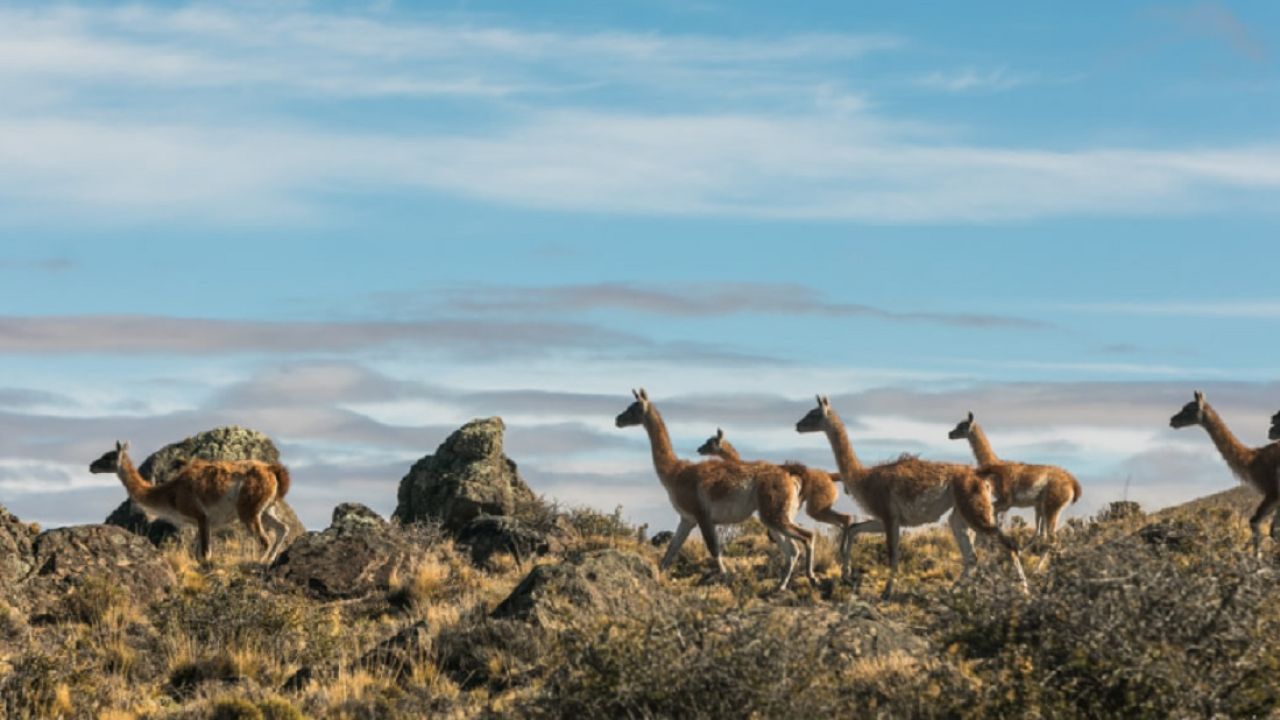

The animal migrations they are much more than mere mobilizations collective defined not by distances but by the needs that drive them, rather they are amazing journeys that take place in different parts of the world when huge groups of animals move from one place to another in massalready sea in search of new habitatsfood or for breed and, thus, ensure the future of the species.
Precisely, one of the animals that more have migrated in South America is he guanacowho has done so in search of food resources and shelter as a result of the seasonal changes and the variations in the availability of water and pastures, as well as the increasing greater pressure and voracity from their predators and other environmental factors.
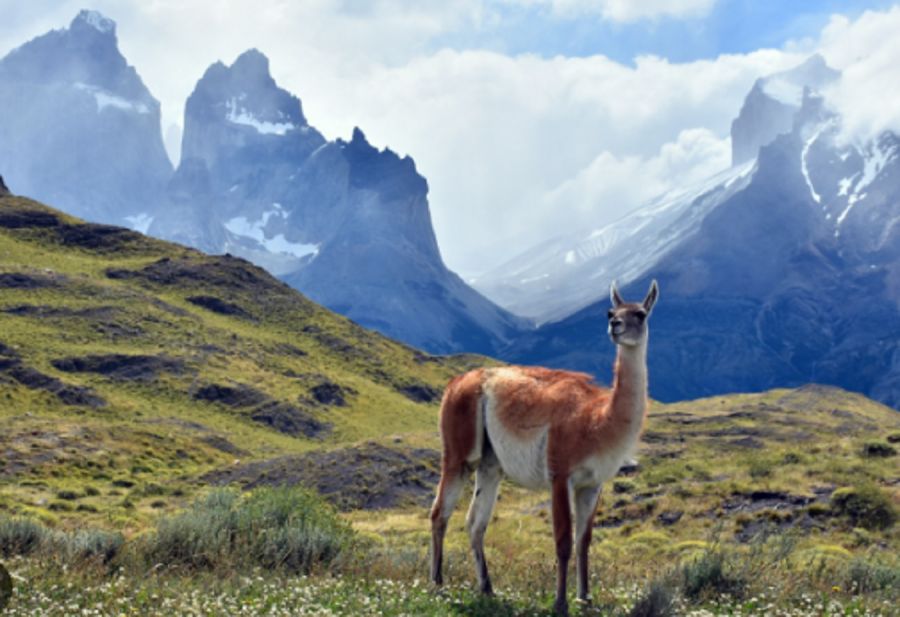
Although historically Guanaco migrations have been especially notable in the Patagonia region.both in southern Argentina and Chile – where they have had great cultural importance for the indigenous populations of the region who have followed their migratory routes for centuries, hunting them for meat and using their fiber to make clothes and other products -, in recent decades guanaco migrations have been increasingly affected by the expansion of modern human activity, including agriculture, livestock, and urbanization. All these factors have altered the guanaco migration patternscausing a marked decrease in its population in many regions, including Argentina.
Faced with this worrying reality, Rewilding Argentina Foundation and Freyja Foundation they are carrying on the monitoring of 25 specimens. to which they are placed GPS collarswith the main objective of protect your migratory routesand, thus, I contribute to a complete and functional ecosystem in the steppe of Patagonia Argentina Park and its surroundings.
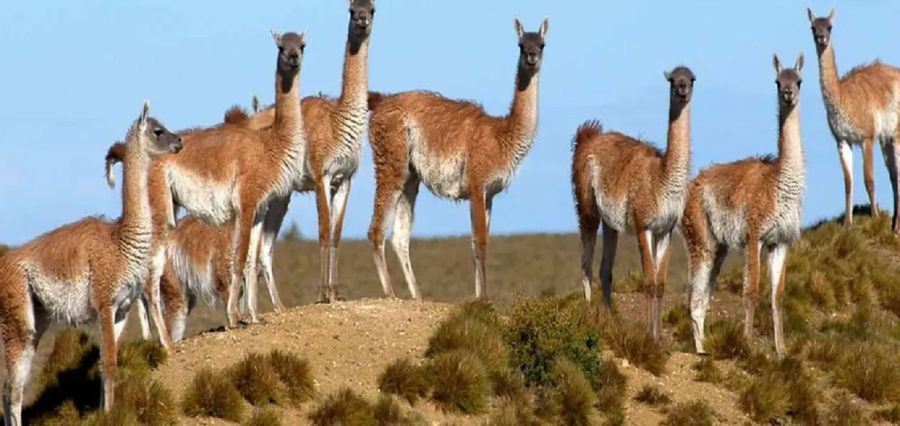
“There are many conservation efforts parachute protect the guanacos and its millennial movements, such as the creation of natural reserves and protected areas and the implementation of measures to reduce conflicts with human activities”. They explain from FRA.
“These initiatives seek to preserve not only the guanacos but also the ecosystems in which they already inhabit the cultural traditions associated with their valuable presence”, conclude the specialists.
.


