

Volodymyr Zelenskyy—once a symbol of Ukrainian resilience and global wartime leadership—now confronts a serious domestic crisis largely of his own making. With anti-corruption institutions under threat, public demonstrations underway, and mounting international concern, his ability to rebound hinges on restoring institutional trust, honoring democratic norms, and maintaining support amid Russia’s intensifying war.
Since 2019, Zelenskyy’s path has been shaped by two separate political trajectories. Elected with pledges to eliminate corruption and overhaul the entrenched political elite, he encountered early setbacks as progress slowed. His approval ratings fell significantly during 2021 due to halted reforms and an ambiguous leadership course. Detractors contended he had promised more than he could achieve.
Then came the 2022 Russian invasion—a watershed moment during which Zelenskyy transformed into a wartime leader. His refusal to flee Kyiv, daily public addresses, and deft use of international media turned him into a global figure, rallying Western support and national unity. This period forged a new political consensus around him—a coalition forged in crisis, not routine politics.
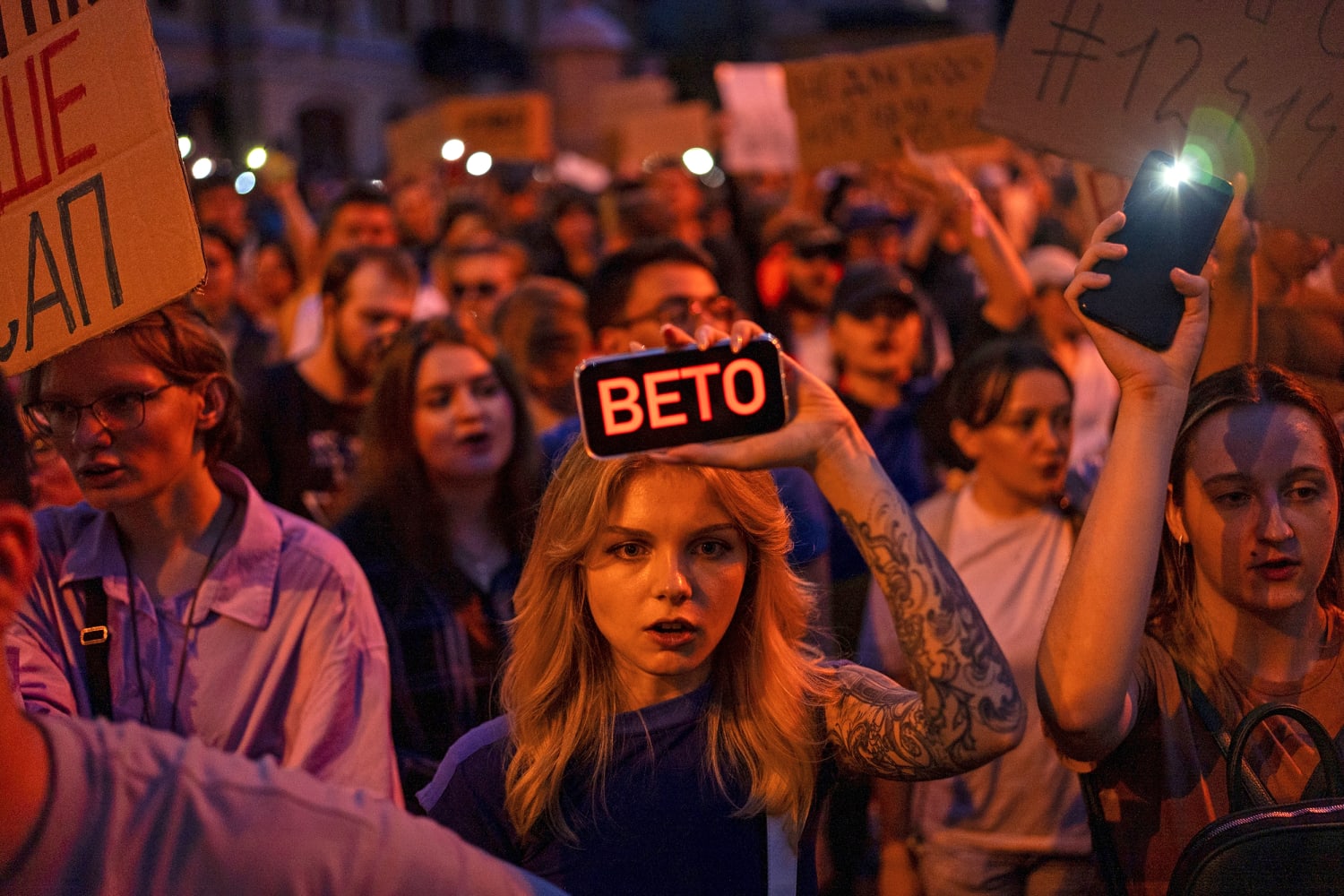
Yet as wartime unity solidified his position, structural weaknesses resurfaced beneath the veneer of solidarity. Recently, legislation placing Ukraine’s two main anti-corruption bodies under executive control triggered the largest domestic backlash since the war’s start. Tens of thousands protested nationwide, while EU officials, Western allies, and even Ukrainian service members voiced alarm.
Under pressure, Zelenskyy reversed course, unveiling new legislation to restore independence to these agencies. Still, his reputation lies wounded. Critics now question whether he veers toward authoritarianism—eroding democratic foundations he pledged to uphold.
First, restating the need for transparent governance. To restore trust, Zelenskyy should execute commitments to shield NABU and SAPO from any political meddling. Well-defined, actionable reforms supported by all parties involved—Europe’s bodies included—would not undo the error but would indicate a renewed sense of responsibility.
Second, encouraging the public to participate constructively. Going back to decision-making that involves consultation, alongside evident legislative scrutiny and open public discussions, can start to rebuild trust. Demonstrators throughout Kyiv, Lviv, Odesa, and further afield symbolize a nationwide call to protect the advancements achieved since the Maidan revolution—a call that cannot be disregarded.
Third, balancing the immediate needs of wartime with democratic principles. In periods of conflict, implementing martial law and centralized control might appear essential, yet sustaining such measures over an extended duration challenges their legitimacy. Zelenskyy needs to outline a schedule for reestablishing complete democratic standards—particularly elections—as the military and security landscape develops.
Fourth, achieving real improvements in governance. Scandals of corruption, economic difficulties, and administrative errors have undermined public trust. Zelenskyy needs to advance reforms—ranging from actions against oligarchs to enhancing public service efficiency—to show genuine progress beyond wartime symbolism.
Political experts propose that Zelenskyy might still have sufficient backing to withstand challenges, particularly when compared to opposition leaders who do not have his wartime prominence. Surveys show that he is more trusted than many competitors, although not by a wide margin. If elections were conducted at present, it is speculated that he might not fare well in a direct contest against figures such as the former commander-in-chief Valerii Zaluzhnyi.
Alternatively, stepping aside voluntarily after a single term could preserve his legacy as the leader who united the country during its darkest hours.
What are the risks? If he hesitates—delays institutional reforms, suppresses dissent, or delays elections indefinitely—he risks alienating both domestic civic society and international allies. EU accession prospects, Western aid, and Ukraine’s legitimacy hinge on adherence to democratic benchmarks.
In parallel, relinquishing power prematurely or seeming divided might jeopardize the unity necessary for effective wartime cooperation. Achieving the appropriate balance between decisive leadership and responsible governance represents his most subtle obstacle.
Can Zelenskyy orchestrate a revival? The opportunity is limited yet accessible. Rebuilding of anti-corruption bodies, stabilizing the economy, and transparent leadership objectives could help him regain control of the discourse. To achieve this, he must transition from ideological populism to practical diplomacy and reform.
As Ukraine faces an escalating assault by Russia, domestic weaknesses might turn into crucial vulnerabilities. Strong governance bolsters both internal stability and confidence abroad.
Whether Zelenskyy regains his stature depends on his readiness to rectify errors, allow institutional examination, and reinforce Ukraine’s democratic character. If he succeeds, he might be remembered as the leader during conflict who also respected democratic values. If unsuccessful, the past shortcomings will resurface—viewed as a continuation of Ukraine’s ongoing battle with sistema instead of a fresh start.
The next months will test whether Zelenskyy can transcend this crisis not just as a wartime leader, but as a statesman committed to democratic renewal in both war and peace.


