
China, long recognized as the world’s largest emitter of greenhouse gases, is showing early signs that its emissions levels may be beginning to shift. This development is drawing attention globally as countries intensify their efforts to combat climate change. Understanding the factors contributing to this potential turning point and its implications for international climate goals is crucial for policymakers, environmental advocates, and citizens alike.
Over recent decades, China’s swift industrial development has placed it at the leading edge of worldwide emissions. Propelled by industries reliant on coal and urban growth, the nation has played a key role in climate dialogues. Nonetheless, new data indicates that emissions might be leveling off or even decreasing—marking a noteworthy shift from past patterns.
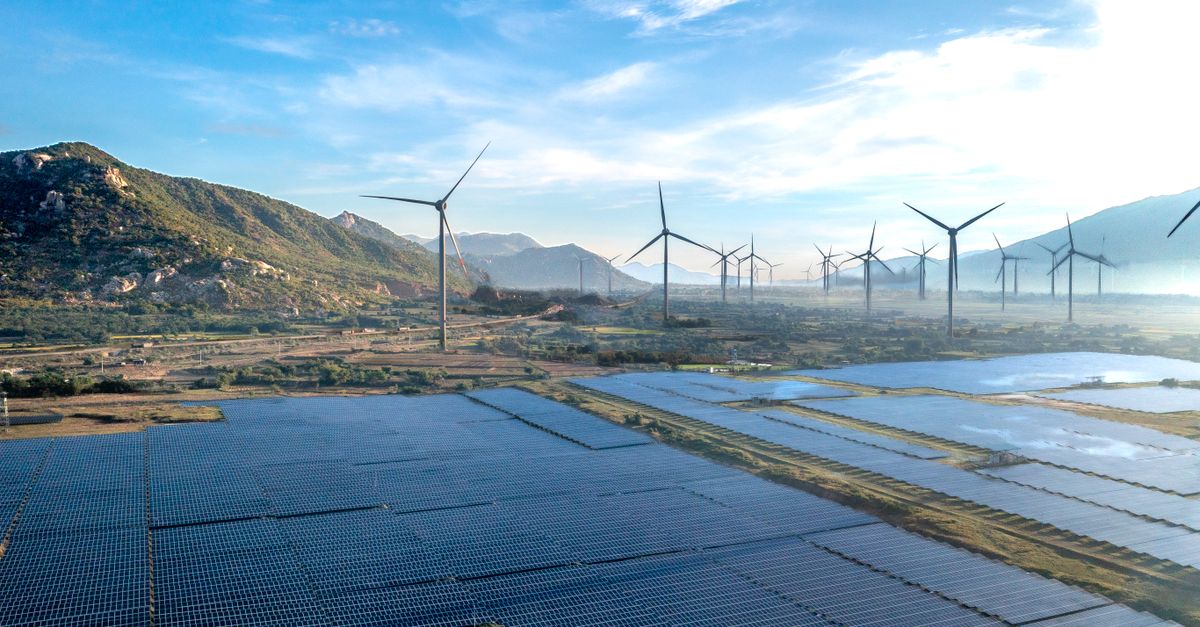
Several elements are contributing to this shift. First, China’s stated ambition to peak carbon emissions before 2030 and achieve carbon neutrality by 2060 has spurred government policies aimed at reducing reliance on fossil fuels. These policies have fueled the development and adoption of renewable energy sources such as solar, wind, and hydropower. As a result, China has become the global leader in renewable energy capacity.
Additionally, China’s economy is slowly moving from a focus on heavy industry to a concentration on technology, services, and consumer-oriented expansion. This economic transformation naturally diminishes the reliance on manufacturing that consumes a lot of energy, resulting in a reduced carbon footprint. The government’s focus on energy efficiency and advancements in clean technology has also contributed to the reduction of emissions.
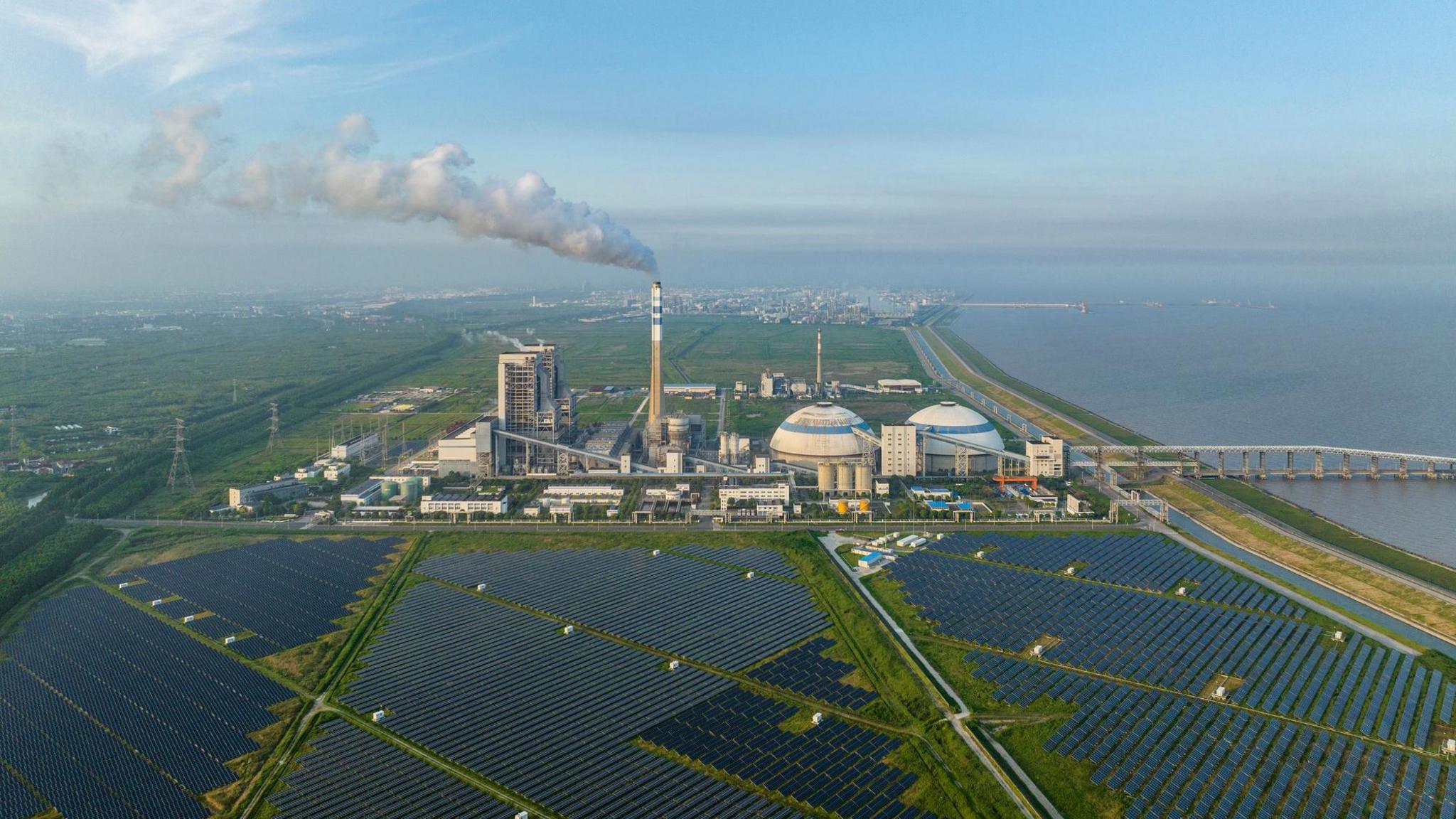
The reduction in coal consumption is another driving factor. While coal remains a significant part of China’s energy mix, its share has been declining steadily as investments in cleaner energy sources increase. Efforts to decommission older, less efficient coal plants and to impose stricter emissions regulations on existing facilities are accelerating this transition.
The disruption caused by the COVID-19 pandemic led to a unique yet short-lived decrease in emissions driven by a slowdown in industrial operations. Although a recovery was anticipated as economies resumed, the emissions levels in China have not climbed back to the rates seen before the pandemic, indicating that more lasting structural transformations might be taking place.
Electric vehicles (EVs) are crucial in the context of China’s emissions situation. Being the leading market globally for EVs, China has introduced policies and financial incentives that have notably increased the manufacturing and use of electric cars, trucks, and buses. This transition is slowly decreasing the nation’s transportation emissions.
China’s commitment to global climate agreements, including the Paris Agreement, underscores its role in international environmental cooperation. By pledging to peak emissions and invest in green technology, China has positioned itself as both a significant challenge and an essential partner in the fight against climate change.
Nevertheless, challenges remain. China’s vast energy usage, continued coal dependence, and the requirement for economic stability pose intricate challenges. Furthermore, regional differences imply that although certain provinces progress in adopting renewable energy, others still rely on conventional energy sources.
Sustaining the decreases in emissions will necessitate ongoing policy implementation, creativity, and worldwide cooperation. Specialists caution that short-term declines, although promising, should be succeeded by enduring strategies that promote comprehensive transformation. Openness, regular data sharing, and global alliances will be crucial in guaranteeing responsibility and advancement.
China’s actions have a worldwide impact. Being the biggest emitter, the path of its emissions will significantly affect the possibility of reaching global climate targets, like keeping global warming below 1.5 degrees Celsius. Each decrease in emissions from China plays a crucial role in the global carbon allowance.
To support this transformation, China is investing in large-scale renewable energy infrastructure, including expansive solar farms and offshore wind projects. These developments not only reduce dependence on fossil fuels but also position China as a leader in exporting clean energy technology to other nations.
The implementation of China’s national emissions trading system (ETS) is another noteworthy development. Initially covering the power sector, the ETS is expected to expand to other industries, creating financial incentives for emissions reductions through market mechanisms. Such initiatives reflect a growing recognition of the economic benefits of environmental responsibility.
Improvements in technology for energy storage, such as battery innovation and the integration of intelligent grids, increase the potential for renewable energy to lead. Assuring that renewable energy sources can deliver dependable and consistent power is crucial to China’s shift.
Evolving opinions about environmental conservation are also evident in China. Increasing recognition of air contamination and its effects on health has led to heightened public demand for improved air quality and more robust environmental regulations. This societal change places additional pressure on both regional and national authorities to expedite ecological initiatives.
Globally, China’s emissions trajectory affects not only environmental outcomes but also economic relations. As countries implement “green tariffs” and prioritize sustainability in trade agreements, China’s progress in reducing emissions may influence its competitiveness and diplomatic standing.
Looking forward, achieving China’s ambitious emissions targets will require coordinated action across multiple sectors—industry, transportation, energy, and urban development. Government leadership, private sector innovation, and public engagement will all be essential components of success.
Regularly tracking progress through transparent reporting and embracing international cooperation can strengthen these efforts. Joint research, technology sharing, and collaborative financing for clean energy projects are avenues through which China and other nations can work together to meet global climate goals.
Although the possibility of reduced carbon emissions in China is a promising sign, the path to consistent decreases is still in progress. Maintaining attention on clean energy, advancements in technology, policy execution, and global cooperation will decide if this pattern continues and its influence on the larger struggle against climate change. The global gaze is directed at China, acknowledging that its measures are crucial for ensuring a sustainable and climate-resilient future for everyone.