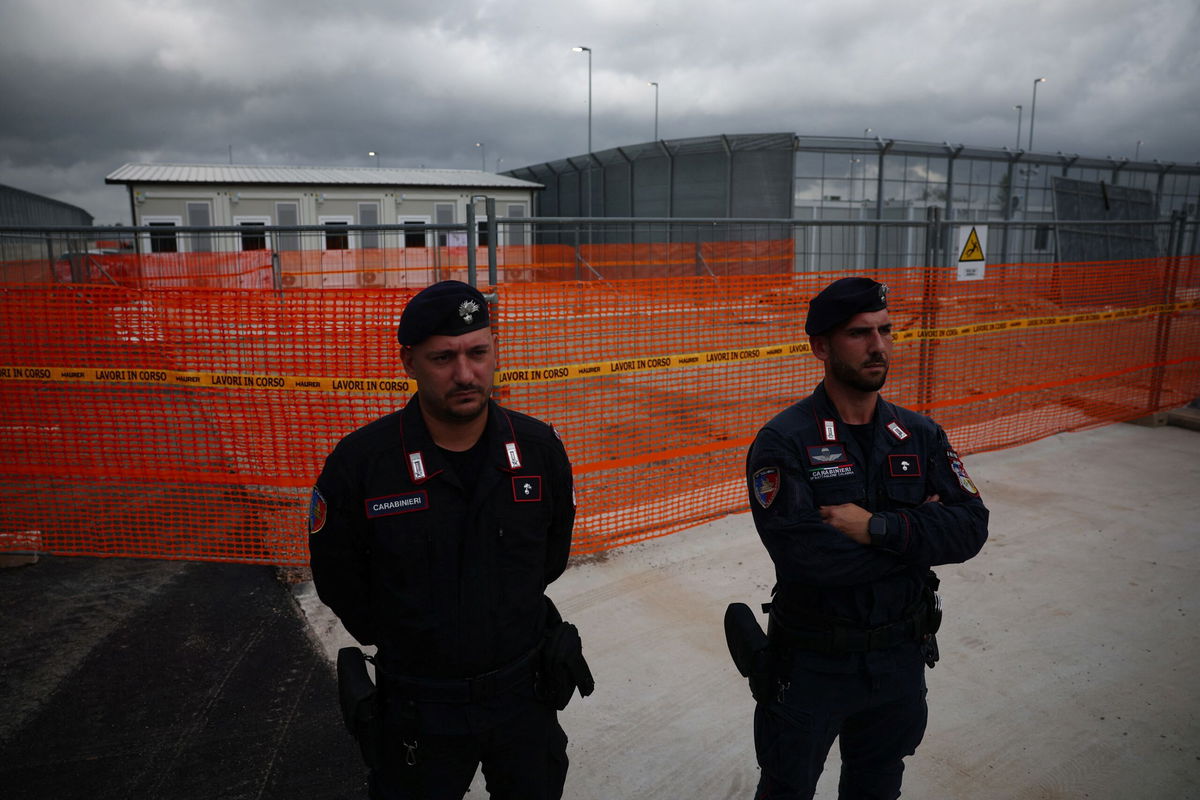

Efforts by several European countries to establish offshore processing centers for asylum seekers have encountered significant legal hurdles following a recent ruling by one of the continent’s highest courts. The judgment has thrown into question the future of proposals that aimed to relocate asylum applicants to third countries while their claims are being assessed—an approach that has been highly controversial from both legal and humanitarian perspectives.
The ruling, handed down by the European Union’s top judicial body, addressed the legality of outsourcing asylum procedures beyond EU territory. In its decision, the court emphasized that transferring responsibility for asylum processing to non-member states may violate established European legal frameworks and fundamental human rights protections.
In response to growing concerns over irregular migration and overwhelmed national asylum systems, a number of EU member states have proposed externalizing aspects of asylum processing. Under such plans, individuals arriving in Europe without authorization could be sent to partner countries—often outside the EU—where their protection claims would be evaluated. If found eligible, they could be resettled, potentially in Europe or another host country; if not, they might face deportation from the third country.
Several governments have advocated this approach as a method to discourage perilous migration paths and handle asylum processes more effectively. Supporters claim that processing claims abroad might avert fatalities at sea, interfere with trafficking networks, and alleviate pressure on domestic infrastructure. On the other hand, detractors contend that these policies avoid legal duties, put at risk those who are vulnerable, and may breach international standards.
In its recent ruling, the European Court of Justice (ECJ) determined that member states cannot transfer the core responsibilities of refugee protection to third countries unless those countries are deemed “safe” in both legal and practical terms. The judgment clarified that merely designating a country as safe is insufficient; the state in question must provide equivalent levels of protection and procedural safeguards as required by EU and international law.
The decision further emphasized the necessity for individuals to have access to just and efficient asylum processes, including the right to contest unfavorable outcomes. Any setup that undermines these protections might violate EU treaties, the European Convention on Human Rights, and the 1951 Refugee Convention.
This interpretation places a significant constraint on external processing schemes, especially those targeting regions with questionable human rights records or limited administrative capacity to handle large numbers of asylum cases.
The ECJ’s ruling has immediate implications for countries that had been exploring partnerships with third states to manage migration. For example, discussions about transferring asylum seekers to countries in North Africa or the Western Balkans will now require far more rigorous legal scrutiny. Any bilateral agreement must demonstrate that it fully upholds EU asylum standards, which may prove difficult in practice.
In recent years, countries like Denmark, Italy, and Austria have floated the idea of offshore processing, citing the Australian model as an inspiration. However, Australia’s offshore detention system—implemented in locations such as Nauru and Papua New Guinea—has been widely criticized for its human rights abuses, prolonged detention, and psychological harm to detainees. Applying a similar model in Europe now appears increasingly unlikely under the court’s guidance.
Moreover, this decision adds complexity to the EU’s wider attempts to overhaul its migration and asylum framework. The union has been working on a New Pact on Migration and Asylum that encompasses aspects of border management, cooperative measures, and expedited procedures. Although a few member countries believed that external processing might aid these changes, the recent legal hurdle imposed by the court might require decision-makers to reconsider their strategies.
The judiciary’s focus on maintaining legal and human rights norms highlights wider worries regarding the deterioration of asylum protections across Europe. Human rights groups have consistently cautioned that attempts to shift asylum responsibilities abroad could endanger vulnerable people by placing them in insecure settings where their rights might be overlooked.
The ECJ’s decision reinforces the principle of non-refoulement, which prohibits returning asylum seekers to a country where they may face persecution or inhuman treatment. It also stresses the importance of due process, transparency, and access to legal remedies—elements that may be difficult to guarantee in offshore settings, especially in countries lacking strong judicial systems.
This focus on human rights aligns with the positions of the UN Refugee Agency (UNHCR), which has urged countries to maintain responsibility for asylum claims within their own jurisdictions and to avoid practices that distance themselves from legal accountability.
Migration continues to be a politically charged issue across Europe, and the court’s ruling is likely to provoke mixed reactions among EU member states. While some governments may welcome the reaffirmation of legal standards, others—especially those facing significant migrant arrivals—may view the decision as a setback to efforts aimed at border control.
Parties with populist and anti-immigration views could use the ruling to denounce what they see as overstepping by courts or rigid European regulations. At the same time, advocacy organizations and networks supporting refugees are expected to consider the decision an essential measure to protect asylum rights from diminishing.
In practice, the ruling may drive greater investment in onshore solutions, such as expanding reception capacity, enhancing asylum processing systems, and improving burden-sharing across the EU. It may also prompt renewed dialogue on addressing the root causes of migration, including conflict, climate change, and economic instability in migrants’ countries of origin.
While offshore processing schemes face heightened legal examination, EU nations are being encouraged to explore other options that align border control with humanitarian responsibilities. The court’s ruling does not completely abolish all collaboration with outside countries, but it does establish clear legal boundaries for these agreements.
Going forward, the challenge for European policymakers will be to craft migration policies that are both legally sound and operationally effective. This may involve enhancing support for frontline countries, streamlining procedures without undermining rights, and promoting safe, legal pathways for protection.
Finally, the decision by the court acts as a reminder that even though handling migration is a challenging and frequently debated matter, strategies must stay rooted in legal principles and the core values of dignity, fairness, and protection that support the European initiative.