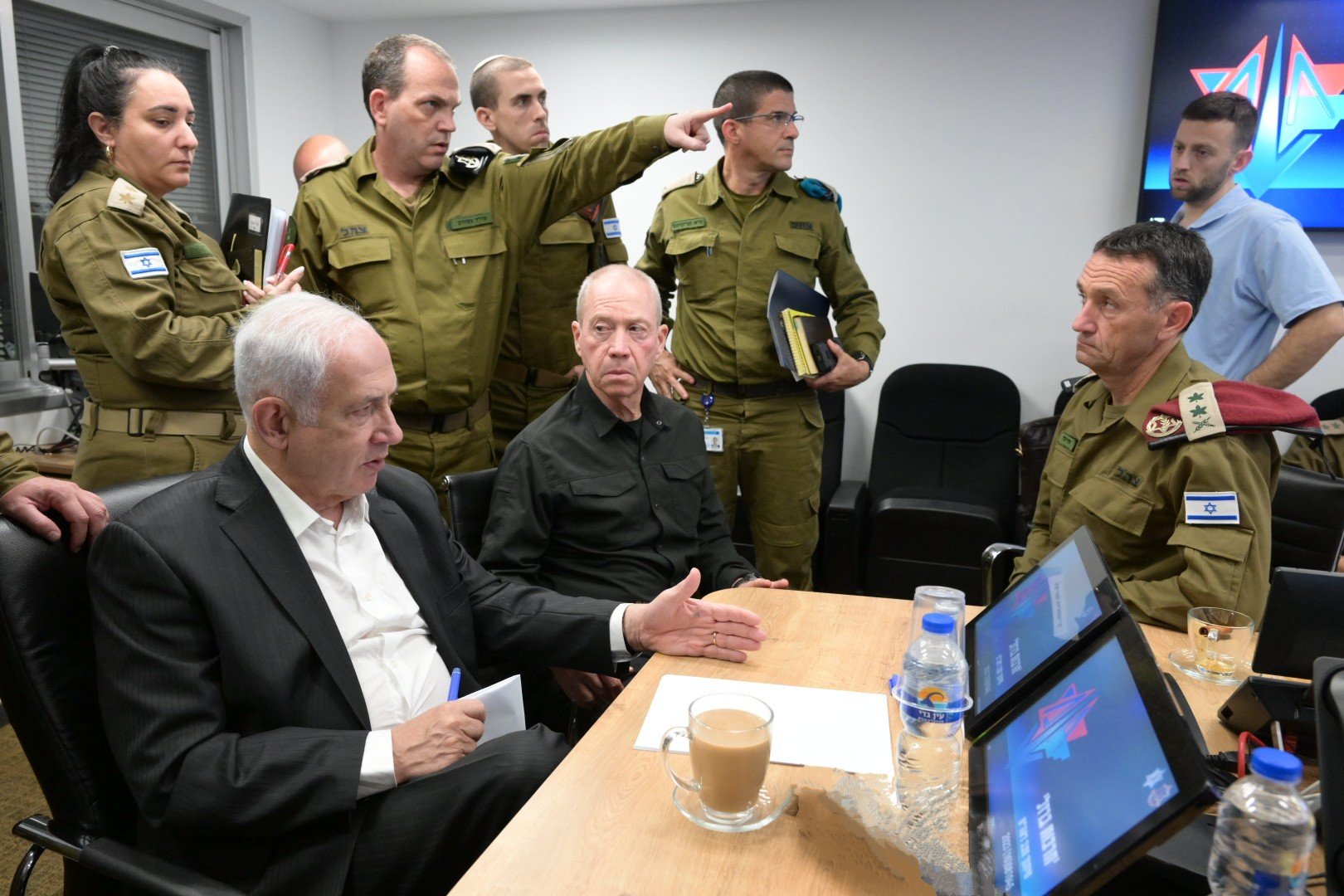

A major shift in Israel’s intelligence leadership is taking shape as tensions with Iran persist, and earlier assumptions about how the conflict would unfold have not been realized, prompting renewed scrutiny of strategic choices, decision-making processes, and the future course of regional security policies.
A significant transition is underway within Israel’s intelligence apparatus at a time when the country remains deeply engaged in a prolonged and complex confrontation with Iran. At the center of this shift is the upcoming appointment of Roman Gofman as the new head of Mossad, Israel’s foreign intelligence agency. His arrival comes after weeks of continued hostilities that have not delivered the swift political transformation some officials had anticipated. The contrast between initial expectations and current realities has prompted renewed scrutiny of the assumptions that shaped the conflict’s early stages.
Before the escalation, internal assessments within Israeli leadership circles suggested that a direct confrontation with Iran could destabilize its governing structure. According to individuals familiar with strategic discussions, Gofman—currently serving as a senior military adviser to Prime Minister Benjamin Netanyahu—was among those who believed that such a scenario could unfold rapidly. This view was not isolated, as it reflected a broader sentiment within segments of the intelligence community that the Iranian system might prove more fragile under sustained pressure.
However, more than a month into the conflict, those projections have not been realized. Despite significant military operations and targeted strikes, Iran’s leadership remains intact, and its political structure has shown resilience. This outcome has underscored the inherent unpredictability of regime stability, particularly in environments shaped by long-standing institutional control and internal security mechanisms.
Expectations versus reality in strategic planning
The gap between anticipated outcomes and actual developments has become a focal point of analysis among defense experts and policymakers. Early strategic thinking appears to have been influenced by the belief that external pressure, combined with internal dissent, could trigger widespread unrest within Iran. Some planners envisioned a sequence of events in which targeted actions would weaken the leadership, embolden opposition groups, and ultimately lead to systemic change.
These expectations were supported by proposals that emphasized the use of intelligence-driven operations aimed at destabilizing key figures and institutions. The underlying assumption was that such measures could create a ripple effect, encouraging public demonstrations and eroding the regime’s authority from within. While this approach reflected a calculated strategy, its execution has not produced the intended results.
Military officials, including members of the Israel Defense Forces, reportedly approached the situation with greater caution. Their perspective emphasized the difficulty of predicting internal political reactions and advocated for more limited objectives, such as weakening strategic capabilities rather than pursuing immediate regime change. This divergence in viewpoints highlights the complexity of aligning intelligence assessments with operational planning.
The current situation indicates that Iran’s governing system has displayed greater resilience than previously assumed. Despite prolonged pressures, including major strains on its infrastructure and leadership networks, the widespread internal turmoil some expected has not emerged. Instead, the nation’s leadership has adjusted to the challenges, strengthening its stance and preserving authority.
Leadership transition amid ongoing conflict
As these developments progress, the appointment of Roman Gofman stands out as a significant shift within Israel’s intelligence leadership. Preparing to step into his new multi-year post, Gofman arrives with a career shaped largely by military service rather than conventional intelligence roles. His professional path spans decades in armored divisions and high-level command positions, complemented by recent work advising the prime minister on a wide range of security issues.
His appointment marks a shift from the traditional route to Mossad leadership, where chiefs usually emerge from within the agency’s own hierarchy. Though not without precedent, selecting someone from outside the intelligence sphere has ignited discussion among experts and former officials. Several observers note that the field’s specialized demands, from covert operations to global coordination, generally call for deep, longstanding experience.
Supporters of the appointment, however, highlight Gofman’s operational background and his close involvement in recent strategic decisions. His role in advising on conflicts across the region has given him a broad perspective on security challenges, which proponents argue could be valuable in shaping the agency’s future direction.
The transition arrives as Israel’s top security ranks experience substantial turnover. Following the widely viewed intelligence breakdown during the October 2023 attacks, multiple high-profile officials have resigned or been replaced. This wider restructuring of leadership roles signals a push to reevaluate strategic priorities and respond more effectively to emerging threats.
Discussion on credentials and broader political factors
Gofman’s appointment has not been without controversy. Critics have questioned whether his background adequately prepares him for the complexities of leading a global intelligence organization. Some analysts argue that the skills required for such a position—ranging from intelligence gathering to managing covert operations—are typically developed over many years within specialized environments.
There are also concerns regarding the wider circumstances surrounding the appointment, as some observers have indicated that political factors might have influenced the decision, citing Gofman’s close professional ties with the prime minister; this viewpoint has intensified the discussion about how professional credentials should be weighed against personal trust in senior appointments.
Additional scrutiny has emerged due to earlier episodes linked to Gofman’s military background, where a dispute over managing sensitive material and relying on informal communication channels has attracted renewed focus, especially regarding concerns about judgment and oversight; although the specifics of the situation continue to be debated, it has increasingly shaped the wider discussion about his fitness for the position.
Although these issues persist, the selection process has proceeded, signaling the leadership’s trust in Gofman’s capabilities. His term is expected to draw significant attention, in Israel and abroad, as he assumes the responsibility of leading the agency through a particularly tense period.
Consequences for regional strategy and core intelligence priorities
The leadership transition emerges at a pivotal moment for Israel’s regional security strategy, as its ongoing confrontation with Iran and evolving conditions in surrounding territories create a demanding environment requiring nuanced handling. In this setting, intelligence agencies are expected to continue playing a crucial part in guiding policy and supporting high-level decisions.
One of the key questions moving forward is how lessons from the current conflict will influence future strategies. The discrepancy between initial expectations and actual outcomes may prompt a reassessment of how intelligence is interpreted and applied in high-stakes scenarios. This could involve a greater emphasis on contingency planning and a more cautious approach to forecasting political developments.
At the same time, the evolving nature of threats in the region underscores the need for adaptability. Technological advancements, changing alliances, and internal political shifts all contribute to an environment that is both dynamic and unpredictable. Intelligence organizations must continuously refine their methods to remain effective in such conditions.
For Israel, the transition in leadership represents both a challenge and an opportunity. It offers a chance to recalibrate strategies and address shortcomings, while also requiring careful management to ensure continuity and stability. The decisions made during this period will likely have lasting implications for the country’s security posture.
In the broader context, the situation highlights the complexities of modern conflict, where outcomes are rarely determined by a single factor. Political, social, and strategic elements interact in ways that can defy expectations, making it essential for decision-makers to remain flexible and responsive. As the new leadership takes shape, the focus will be on navigating these challenges and shaping a path forward in an increasingly uncertain landscape.