
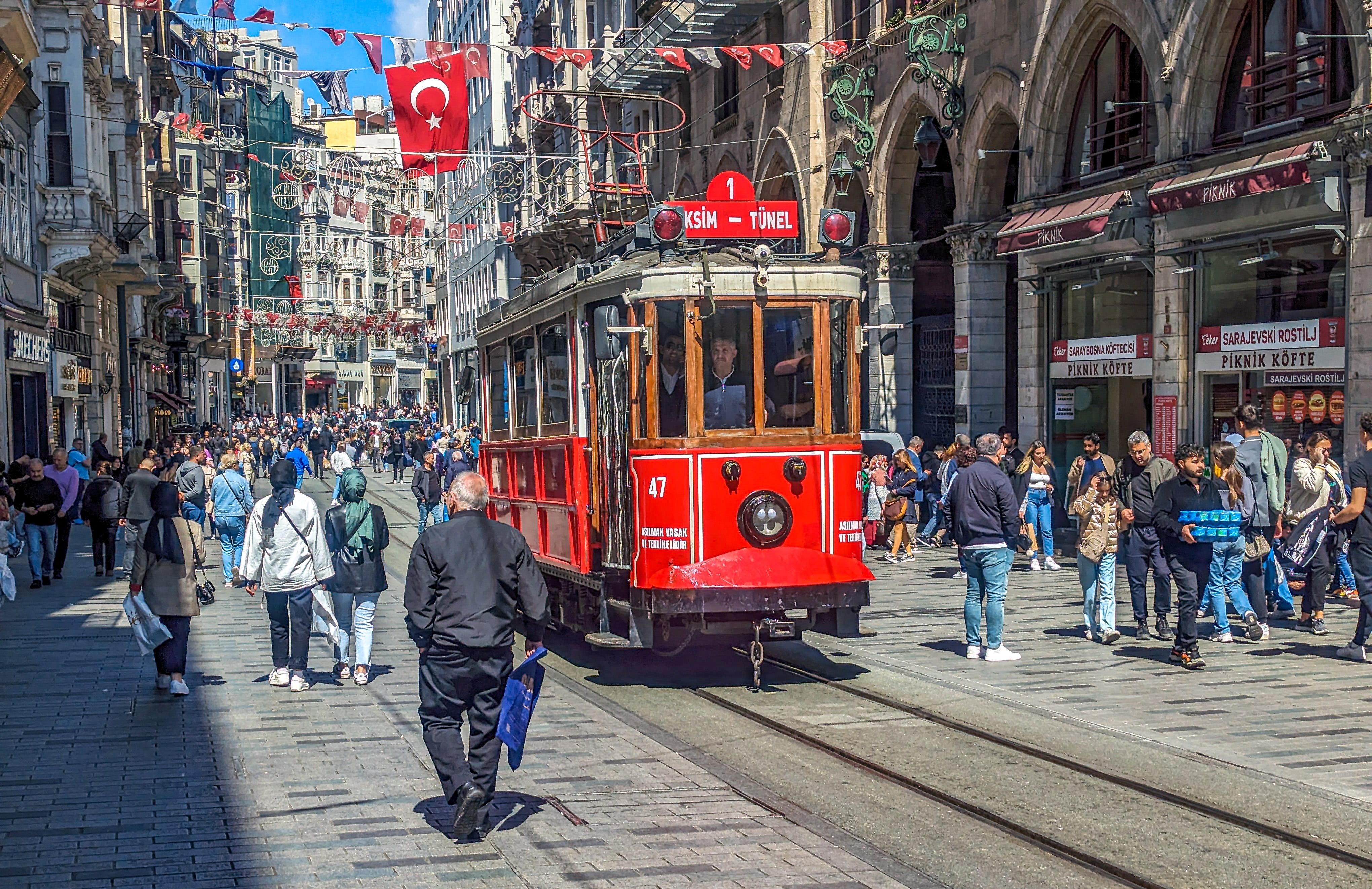

Istanbul emerges as a megacity defined by striking contrasts: compact historic districts, heavily visited tourist corridors, sleek business hubs, expansive suburban areas, and two continents connected by ferries and bridges. These differences form a patchwork of consumer habits, foot-traffic rhythms, rental conditions, and infrastructure. A retail concept intended to succeed across Istanbul’s varied neighborhoods must remain intentionally modular, guided by data, and strong in day-to-day execution. The framework below outlines what enables such a concept to scale, supported by examples and actionable strategies.
1) Precise segmentation and neighborhood-level customer understanding
Achieving effective growth begins with accurate segmentation:
- Define customer archetypes: tourists, young professionals, students, families, commuters, conservative households, high-income consumers, bargain hunters. Each has distinct purchase frequency, preferred channels, and price sensitivity.
- Map neighborhood attributes: footfall type (tourist vs. local), daytime vs. evening peak, transit hubs, density of offices vs. residences, presence of malls, and nearby anchors like universities or hospitals.
- Use layered data: point-of-sale data, mobile footfall analytics, property rental indices, and publicly available municipal statistics. Even basic datasets—household size, age distribution, and weekday population—sharpen SKU and format choices.
Example: A shop situated on a busy tourist avenue often relies on multilingual signs, small gift-ready SKUs, and extended business hours, while a store positioned near a university tends to emphasize budget-friendly bundles and services available late into the night.
2) A modular product range that blends a core selection with layers adapted to local needs
Retailers achieve greater expansion when their assortment is structured around a dual-tier model:
- Core assortment: a compact set of high-velocity SKUs consistent across all locations to preserve brand identity, simplify procurement, and reduce inventory cost.
- Local layer: a flexible set of 10–30 percent of shelf space that adapts to neighborhood tastes, seasonality, and events.
Case: Discount chains thriving at a national level often rely on a streamlined core assortment of private label essentials complemented by a shifting range of locally tailored products, enabling efficient logistics while preserving strong local relevance.
3) Flexible store formats and footprint optimization
Scalability calls for several uniform formats that can be rapidly rolled out:
- Flagship/experience stores: larger footprints in central high-visibility locations to build brand and test premium services.
- Convenience micro-stores: compact outlets near transit nodes and residential blocks focused on speed and immediate needs.
- Dark stores/micro-fulfillment centers: small, back-of-house warehouses for rapid delivery in dense neighborhoods.
Tactic: Design modular store fixtures and planograms so a 50 m2 convenience layout can be converted to an 80 m2 neighborhood store with minimal rework.
4) Robust, localized supply chain and inventory control
Supply chain design is the operational backbone of scalable roll-out:
- Hub-and-spoke plus micro-fulfillment: central warehouses for slow-moving goods, clustered local hubs for high-frequency and rapid-delivery SKUs.
- Differentiated replenishment cadence: daily for perishable and high-turn items; weekly for stable goods. Use predictive algorithms to set cadence by store archetype.
- Local sourcing partnerships: enable fresher assortments and better margins for region-specific products.
Example: Rapid-delivery services that scaled in Istanbul used dense micro-warehouses and real-time inventory tracking to meet neighborhood demand quickly.
5) Price architecture and promotion strategy by neighborhood
A single pricing approach seldom suits every neighborhood:
- Tiered pricing: preserve margins in affluent districts while offering value packs and promotional pricing in price-sensitive areas.
- Localized promotions: time-limited bundles aligned with local events, commuter peaks, or holiday cycles.
- Loyalty segmentation: loyalty tiers and targeted discounts based on neighborhood purchasing patterns.
Closely track any margin deterioration while carrying out aggressive discounting trials.
6) Personnel, cultural foundations, and skill development for on-the-ground implementation
Staffing should align with the neighborhood’s actual conditions:
- Localized hiring: employees who understand neighborhood culture, peak hours, and language needs.
- Standardized training: core brand service principles delivered through modular training kits so stores deliver consistent customer experience.
- Decentralized decision rights: empower store managers to make rapid, small-scale assortment or promotion changes within guidelines.
Outcome: ensuring brand coherence while fostering local sensitivity, a vital approach in districts shaped by unique social expectations.
7) A real estate approach designed to deliver swift execution while upholding superior quality
Real estate choices determine both cost and visibility:
- Portfolio mix: anchor locations for brand presence, smaller low-cost units for density, and mall concessions for captive traffic.
- Flexible leases: short-term options for testing new neighborhoods, with roll-over clauses when metrics meet targets.
- Site selection criteria: footfall vs. catchment population, rent/sales projections, proximity to supply routes, and local competition density.
A practical method is to test 3–5 sites in a new district using varied formats, then expand the most successful options afterward.
8) Omnichannel integration and last-mile execution
Neighborhood diversity increases the value of omnichannel:
- Unified inventory platform: real-time insights spanning stores and micro-fulfillment hubs, enabling click-and-collect services, same-day shipping, and streamlined returns.
- Localized delivery options: access to locker collection points, bookable delivery windows, and bike or scooter couriers suited for high-traffic zones.
- Channel-tailored assortment: emphasize perishable and quick-turnover SKUs for fast delivery, while assigning bulky or slow-moving products to in-store pickup.
Example: Rapid delivery models focus on a limited assortment and dense micro-warehouses to deliver in 10–30 minutes in dense neighborhoods.
9) Hyperlocal marketing and community engagement
Marketing tailored to a neighborhood’s character fosters lasting loyalty:
- Micro-targeted campaigns: geofenced ads, local influencers, and partnerships with neighborhood associations or schools.
- Events and pop-ups: sponsor local events, run tasting stations, or host community workshops to embed the brand.
- Feedback loops: actively collect local customer feedback and surface ideas to regional ops teams for rapid iteration.
Evaluate the impact of community programs by examining weekly store-level sales and tracking recurring customer visits.
10) Regulatory, licensing, and risk management
Compliance and risk fluctuate across neighborhoods:
- Permits and operating hours: city and municipal rules can affect signage, outdoor seating, and delivery windows.
- Security and insurance: higher-risk areas may need additional security measures and insurance coverage.
- Contingency planning: traffic disruptions, strikes, or sudden tourism drops require alternative supply routes and flexible staffing plans.
Proactive local legal counsel and standardized compliance checklists reduce rollout delays.
11) Playbook for metrics, experimentation, and scalable growth
Reliable scaling is achievable only when grounded in consistent, methodical measurement:
- Core KPIs: sales per square meter, basket size, repeat customer rate, on-shelf availability, delivery time, and contribution margin.
- Pilot methodology: run small, time-boxed pilots with control stores, measure a defined set of KPIs, and require pre-set thresholds to scale.
- Iterative roll-out: expand in waves—corridor-level, district-level, city-level—refining assortment, operations, and marketing between waves.
Use decision gates: only move from pilot to roll-out when unit economics meet targets under local conditions.
Illustrative cases and practical lessons
- Limited-assortment discounters: chains that expand quickly by relying on a concise core assortment and forceful price positioning, reducing SKU complexity and streamlining logistics.
- Rapid-delivery models: services built around micro-fulfillment that scale by thickening networks of compact warehouses and refining delivery routing according to each neighborhood’s transport patterns.
- Apparel chains: grow across neighborhoods by unifying essential collections while allocating a portion of store-specific assortments tailored to local demographic traits and store footprint.
- Checklist for a scalable retail concept in Istanbul Analyze neighborhood segments and create data-driven customer archetypes.
- Develop core-plus-local product mixes and adaptable modular store layouts.
- Use a hub-and-spoke logistics model supported by micro-fulfillment in densely populated zones.
- Adopt tiered pricing strategies and launch promotions tailored to each neighborhood.
- Recruit local talent and apply standardized training while keeping room for local nuances.
- Combine diverse real estate formats and run short-term pilot sites to reduce expansion risks.
- Integrate inventory and delivery systems to deliver a seamless omnichannel experience.
- Foster neighborhood engagement through targeted outreach and community events.
- Test, refine, and apply strict decision checkpoints before scaling operations widely.
A retail concept that succeeds throughout Istanbul’s diverse districts is not a universal template but a flexible, composable framework, where essential elements such as brand promise, core operations, and technology remain standardized, while adaptable modules for assortment, pricing, store layout, and community interaction are crafted to match each neighborhood’s distinct tempo, achieving a blend of consistency and localized nuance that enables scalable performance and long-term durability in a city shaped by its diversity.