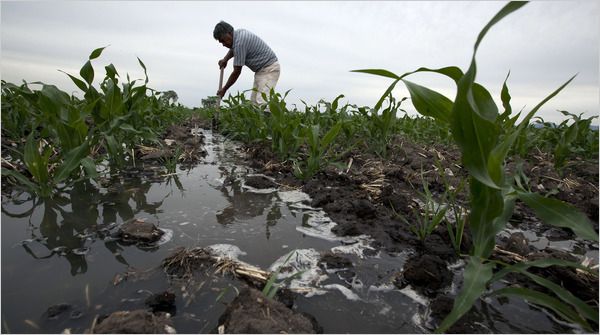
Although blood lead concentrations have declined sharply in recent decades, poisoning with this heavy metal continues to be a worrying phenomenon in Latin America. Consumption of contaminated water from old pipes, acid batteries, certain paints, fires, burning waste and even avgas (leaded gasoline used in the aviation industry) continue to cause persistent damage to the environment and human health, details the report. SciDev.Net site.
In high concentrations, lead can cause cognitive and neuromotor alterations, with some 600,000 cases of intellectual disability in children each year. Its absorption is also associated with cardiovascular, respiratory, hepatic, renal and reproductive conditions.
After Africa, South America is the region with the highest concentrations. The issue is especially sensitive in Peru, where more than 10 million people (31 percent of the population) are exposed to heavy metals and other chemical substances, according to the Ministry of Health itself. Of these, 80 percent are children up to eleven years old. The operations of mining companies like Cerro de Pasco, which dumped lead, mercury and other toxic minerals into the soil and water for decades, led to multiple cases of chronic leukemia and severe bone marrow aplasia.
Listen to Pablo Corso’s column for Modo Fontevecchia on Radio Perfil FM 101.9.
There is no reliable worldwide ranking of the ten largest corporate contributors to education and…
Which 10 brands have embraced circular business models?A circular business model aims to keep products…
The most advanced humanoid robots can navigate environments designed for humans, manipulate unfamiliar items, obey…
10 emerging technologies most likely to transform our lives by 2030The technologies most likely to…
10 Technological Inventions That Failed Despite Being Ahead of Their TimeBeing first is not the…
A high salary does not necessarily buy a comfortable life. What matters is how much…