
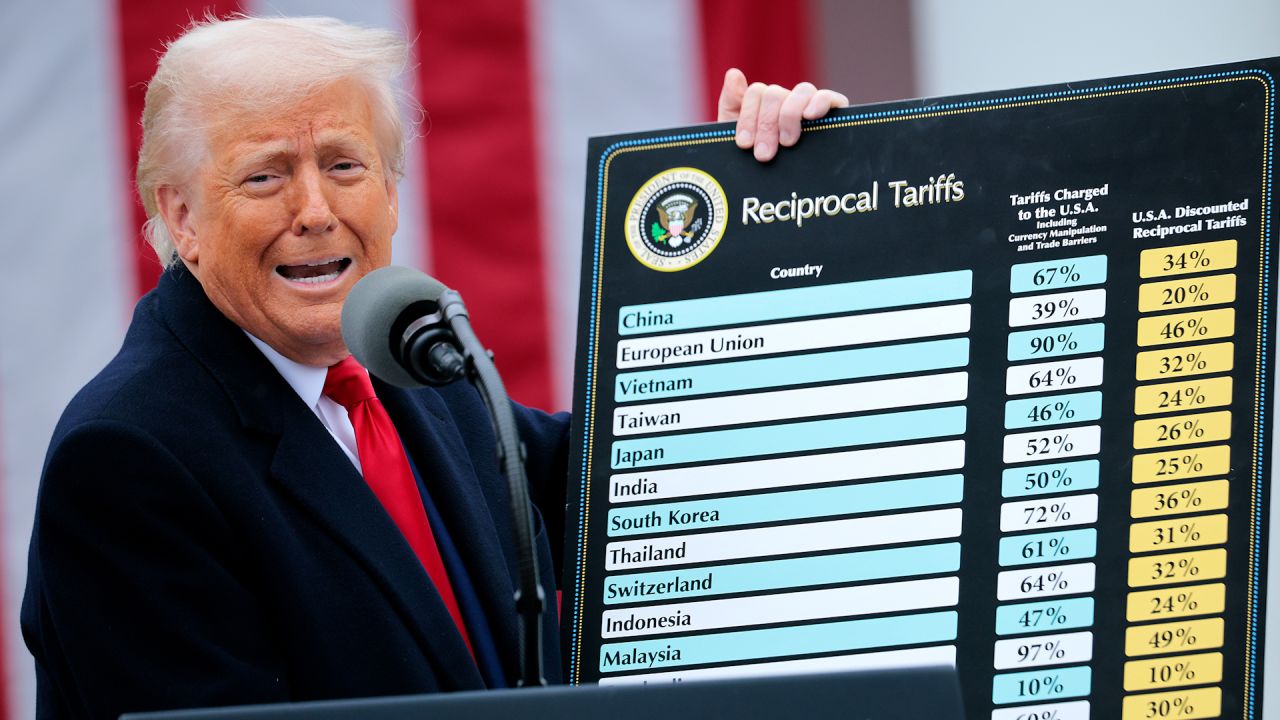

Recent changes in trade policies have led to a reduction in tariffs imposed by China, which have seen significant fluctuations over the past few years. While the previous rate of 145% has been lowered, the impact on small businesses remains severe. For many entrepreneurs navigating these turbulent waters, the situation continues to be challenging and discouraging.
Small businesses often operate on thin margins, making them particularly vulnerable to changes in trade policies and tariffs. Even with the reduction in rates, the lingering effects of high tariffs can stifle growth and limit opportunities. Many small business owners report that the costs associated with importing materials and goods remain prohibitively high, affecting their bottom line and overall viability.
In earlier times, high import taxes were designed to shield local industries from overseas rivals. Yet, as these duties have changed, they have shaped a landscape where it is more challenging for small enterprises to remain competitive. Bigger firms might have the means to handle these expenses or transfer them to buyers, but smaller companies frequently do not enjoy that same leeway. This results in an unbalanced marketplace, where minor players face difficulties in sustaining their market foothold.
The reduction in tariffs might suggest a positive shift for small businesses, yet the reality is more complex. Many entrepreneurs have invested significant time and resources to adapt to the previous high tariffs. As a result, the sudden shifts in policy can lead to confusion and further financial strain. Small business owners are now left to grapple with the uncertainty of future trade agreements and the potential for fluctuating tariffs once again.
Furthermore, the expansive economic context significantly influences the realities encountered by small businesses. Elements like rising prices, interruptions in the supply chain, and evolving customer patterns all add to the obstacles these companies must overcome. Although trade duties may lessen, the general conditions can persist as unfavorable, complicating the success of small businesses.
Another significant concern is the long-term sustainability of these businesses. Many entrepreneurs express fear that without consistent support and favorable trade conditions, their operations may not survive. The unpredictability of tariffs and trade relations can lead to a lack of confidence among small business owners, influencing their decisions regarding investment and expansion.
Furthermore, small enterprises encounter emotional difficulties alongside economic hurdles while trying to stay afloat in these unstable times. The pressure of operating a business amidst ambiguity may result in exhaustion and irritation. Business owners are usually dedicated to their endeavors; however, when outside influences arise, creating obstacles to achievement, it can be discouraging.
In order to more effectively assist small enterprises, legislators should take into account the distinct obstacles these businesses encounter in today’s commercial climate. Proposed remedies might involve delivering more transparent instructions on trade regulations, granting monetary aid during periods of change, and nurturing a setting in which small enterprises can compete on an even footing. Joint initiatives between authorities and business proprietors can contribute to establishing a more consistent and supportive structure.
As small businesses continue to adapt to these changes, it is crucial for them to remain resilient. Building strong networks, seeking out new markets, and exploring innovative solutions can help them navigate the complexities of the current economic landscape. By focusing on adaptability and community support, small businesses can work towards overcoming the challenges posed by tariffs and other external pressures.
In conclusion, although lowering tariffs on China might appear as progress, the actual scenario for small enterprises is still worrying. Business owners still confront major hurdles that jeopardize their survival and expansion. It’s crucial for both business leaders and decision-makers to acknowledge these issues and collaborate to create a more supportive atmosphere for small businesses in the future.


