
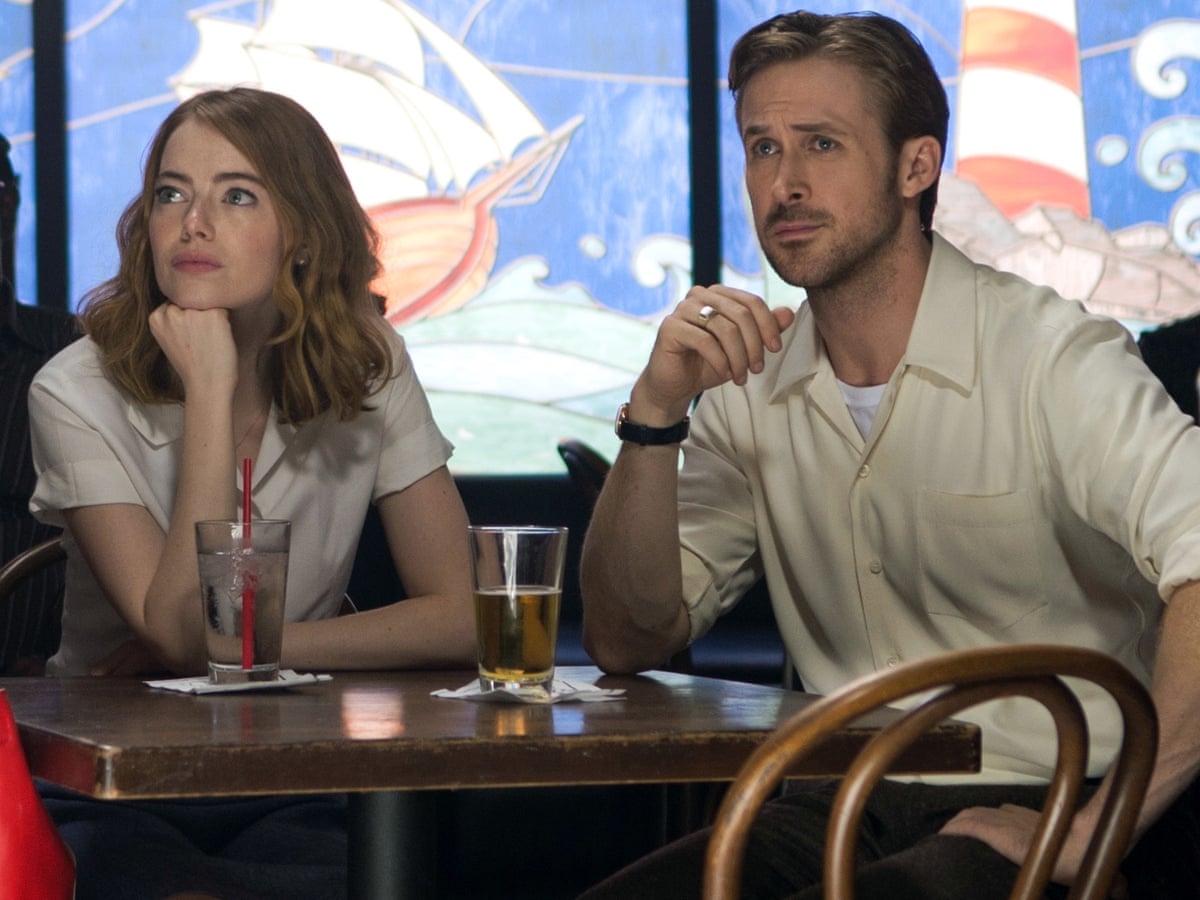

Since its release in 2016, ‘La La Land’, directed by Damien Chazelle, has occupied a unique space in the evolution of the musical genre. Its modern reinterpretation, aesthetic choices, and cultural impact have been extensively discussed by critics, filmmakers, and audiences alike. Yet, what precisely did ‘La La Land’ contribute to the contemporary musical repertoire? The answers are multifaceted, spanning narrative innovation, technical revival, and a reevaluation of cinematic nostalgia.
Revitalizing the Classic Framework Through a Modern Lens
For a considerable time, musicals have flourished through magnificent displays, dynamic dance sequences, and narratives brimming with emotion. Nevertheless, prior to the release of ‘La La Land’, the American cinematic landscape saw a decline in major, novel musical productions, with adaptations and Disney animations largely taking center stage. Chazelle’s creative concept explicitly drew inspiration from Hollywood’s Golden Era, incorporating allusions to films like ‘Singin’ in the Rain’ and ‘The Umbrellas of Cherbourg,’ while simultaneously anchoring the plot in the concrete challenges faced by contemporary aspirants.
By threading Mia and Sebastian’s ambitions with contemporary realities—financial instability, career uncertainty, and the tension between dreams and practicality—the film anchored timeless themes in an authentic context. The contrast between hyperreal musical numbers, such as the opening freeway sequence ‘Another Day of Sun’, and the grounded, bittersweet development of the central relationship, reinvigorated the genre without ignoring present-day sensibilities.
Filmic Artistry: Hue, Melody, and Movement
‘La La Land‘ distinguished itself through a meticulous fusion of visual and auditory artistry. Cinematographer Linus Sandgren’s use of color palettes was not mere homage but a deliberate psychological tool. Vivid hues in costumes and set design often mirrored emotional peaks or transitions, echoing the expressive capabilities of color in classic musicals while delivering a fresh impact to contemporary audiences.
Composer Justin Hurwitz’s score played a central role in shaping the film’s identity. Unlike many modern musicals that favor diegetic or pop-inspired numbers, ‘La La Land’ embraced original compositions loosely tethered to jazz. The recurring motif of jazz, both thematically and structurally, brought an improvisational spirit to the film and reminded viewers of the transformative nature of music itself. Numbers like ‘City of Stars’ achieved cultural ubiquity, crossing into mainstream radio, and earned multiple awards, including the Academy Award for Best Original Song.
The choreography, designed by Mandy Moore, eschewed hyper-polished perfection for expressive, character-driven movement. Ryan Gosling and Emma Stone, neither famed for musical theater backgrounds, delivered performances grounded in vulnerability and authenticity. This democratized the musical form—suggesting that heartfelt execution could outweigh technical virtuosity.
Narrative Subversion and Realism
Viewers accustomed to traditional musicals might anticipate a definitive, upbeat conclusion. ‘La La Land’ deliberately defied this expectation. The movie’s concluding segment, frequently dubbed ‘the epilogue,’ presented audiences with both a fantastical, alternate reality sequence and the current reality, where professional goals are achieved at the expense of the romantic bond. This dichotomy struck a chord with contemporary audiences familiar with intricacy and subtlety, implying that adult existence frequently necessitates trade-offs instead of the flawless convergence of affection and aspiration.
Furthermore, the film’s self-awareness reframed the musical genre as both a celebration and a critique. Through Sebastian’s longing for an idealized jazz era and Mia’s evolving understanding of fame, ‘La La Land’ interrogated the nostalgia so frequently romanticized in musicals, subtly challenging viewers to reconsider the cost of clinging to the past.
Public Response, Enduring Impact, and the Wider Musical Resurgence
The worldwide reception of ‘La La Land’ highlighted a demand for musical storytelling beyond the typical superhero or franchise models. Earning almost $450 million globally from a $30 million investment, and receiving fourteen Academy Award nods, the movie proved the strong commercial and critical potential for original musicals in the modern era. Its triumph notably paved the way for a renewed interest in musical films and TV shows, such as ‘The Greatest Showman,’ the 2018 version of ‘A Star is Born,’ and live televised productions of Broadway favorites.
The movie also rekindled widespread fascination with jazz music, the city of Los Angeles depicted as a central figure, and the recurring theme of an artist’s personal odyssey—indicating that viewers continued to crave sophisticated realism and profound emotional release.
Enduring Influence and New Standards for the Genre
Analysis of musicals released after ‘La La Land’ demonstrates a quantifiable impact on both independent and major studio productions. Filmmakers and music creators frequently point to its fusion of stunning visuals and authentic storytelling as a key inspiration. The movie’s musical score, characterized by its jazz-inspired themes, sparked a resurgence of interest in original compositions within popular cinema.
Perhaps the most notable impact of ‘La La Land’ lies in its affirmation of the contemporary musical’s ability to fuse tribute with novelty. It encouraged artists to venture fearlessly within the genre while respecting its established customs. By avoiding mere imitation and instead presenting an authentic depiction of aspirations realized and relinquished, the movie reminded both audiences and filmmakers that musicals serve not only as vehicles for fantasy but also for genuine human narratives—intricate, flawed, and reflective of current experiences. This paradigm persists, encouraging each successive generation to redefine the potential and reach of the musical form.