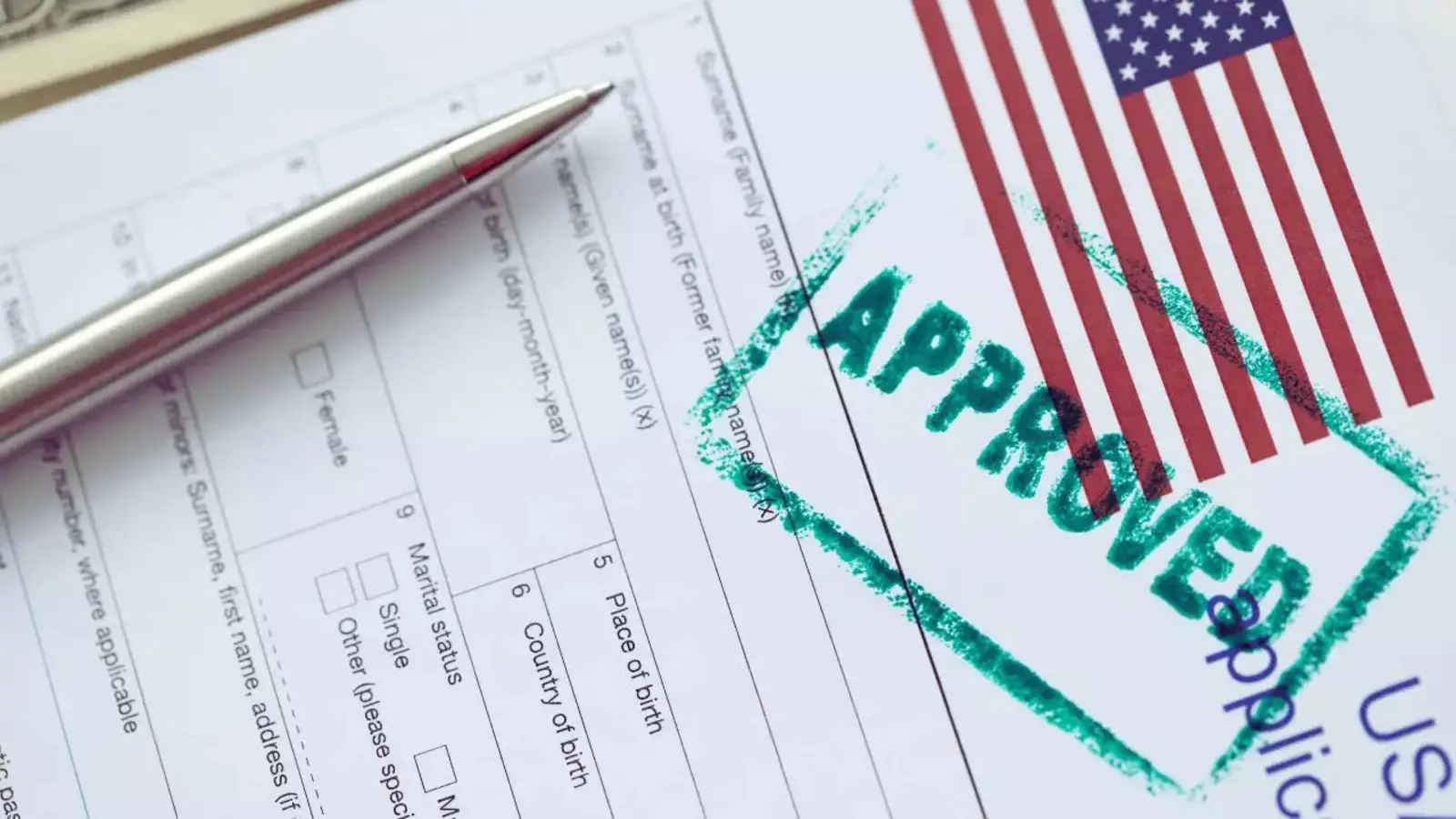

El gobierno de EE.UU. está aparentemente considerando una política que exigiría a algunos ciudadanos extranjeros desembolsar un depósito considerable — posiblemente de hasta $15,000 — como un requisito para obtener un visado. La propuesta, que ha generado discusión entre expertos en inmigración y viajeros internacionales, tiene como objetivo fomentar el cumplimiento de los términos del visado y disminuir los casos de permanencia más allá del tiempo permitido.
While the measure has not yet been fully implemented, discussions around the visa bond have been ongoing in recent years, particularly in the context of immigration enforcement and national security. The idea is to use the financial deposit as a deterrent: visitors would be required to leave the country within the timeframe allowed by their visa or risk forfeiting the money they paid as a bond.
The proposed requirement would likely target applicants from countries with historically high rates of visa overstays, as identified in official U.S. Department of Homeland Security (DHS) reports. By tying financial responsibility to visa compliance, the government seeks to promote lawful entry and exit behaviors, while also reducing the administrative burden of tracking and managing overstays.
Advocates of the policy assert that a refundable deposit offers a simple, enforceable way to boost accountability without broadly limiting legal travel. They claim that this arrangement is not intended to penalize travelers, but to establish a structure where visa responsibilities are respected. For individuals who adhere to their visa conditions and leave on schedule, the complete deposit would be refunded.
However, critics argue that the financial burden could be prohibitive for many applicants — particularly students, workers, or tourists from low- and middle-income countries. For these travelers, a $15,000 deposit could make the visa process inaccessible, creating disparities and reinforcing economic barriers to entry. Opponents also express concern that the policy could discourage legitimate travel and damage diplomatic relationships with affected nations.
If implemented, the bond system would most likely apply to nonimmigrant visa categories, such as B-1/B-2 visitor visas, which allow for temporary stays for business or tourism purposes. Visa applicants from countries with low rates of compliance or where overstays have been a persistent concern may be subject to the bond requirement. It is also possible that the program could be introduced on a pilot basis, targeting a limited number of nationalities as a test of its effectiveness.
The idea of a visa bond is not entirely new. A short-lived pilot program was introduced under the Trump administration in late 2020, which authorized consular officials to request bonds ranging from $5,000 to $15,000 from applicants in designated countries. That program expired in mid-2021 and was never widely enforced. Nonetheless, its framework has continued to influence policy discussions within immigration and national security circles.
As the United States aims to balance its security issues with its position as a prime location for education, tourism, and industry, visa regulations remain a central topic in public discussions. The possible reintroduction of a system reliant on bonds would represent a notable change in how the country manages compliance and evaluates risk for those visiting short-term.
Legal experts observe that reapplying the visa bond must address logistical and diplomatic hurdles. At consulates globally, managing and returning these substantial deposits might lead to operational issues. Similarly, host nations could perceive the policy as harsh or unfair, possibly leading to reciprocal actions or strained bilateral ties.
There is also the question of whether a financial bond effectively reduces overstays. While economic incentives can influence behavior, immigration experts suggest that overstays often stem from a complex mix of factors, including personal hardship, misunderstandings of visa terms, or changes in circumstance after arrival. A bond system may not address these root causes and could instead create barriers without achieving meaningful reductions in noncompliance.
Supporters argue that the initiative ought to be seen as one of several instruments within a larger plan that encompasses education, better visa processing, and improved monitoring. They further assert that refundable bonds provide a more compassionate option compared to more severe enforcement tactics like detention or fast-tracked removal, which tend to be more expensive and adversarial.
As immigration policy continues to be a controversial topic in U.S. politics, choices regarding visa regulations and enforcement often reveal wider ideological differences. Some believe that tighter regulations are crucial for maintaining border control, while others emphasize the need for openness and accessibility, particularly as the nation recovers from disruptions caused by the pandemic and works to restore international involvement.
The destiny of the suggested visa bond is unclear. Any initial steps to introduce or broaden this kind of policy would probably undergo public feedback, legal examination, and potential adjustments before being enacted. Meanwhile, international visitors wishing to travel to the United States should stay updated on policy changes and collaborate with consular staff to adhere to all stipulations.
As the debate continues, the core issue remains unchanged: how best to uphold the integrity of the U.S. visa system while maintaining fairness, accessibility, and international goodwill. Whether a monetary bond becomes part of that strategy will depend on how policymakers balance these competing priorities in the months ahead.