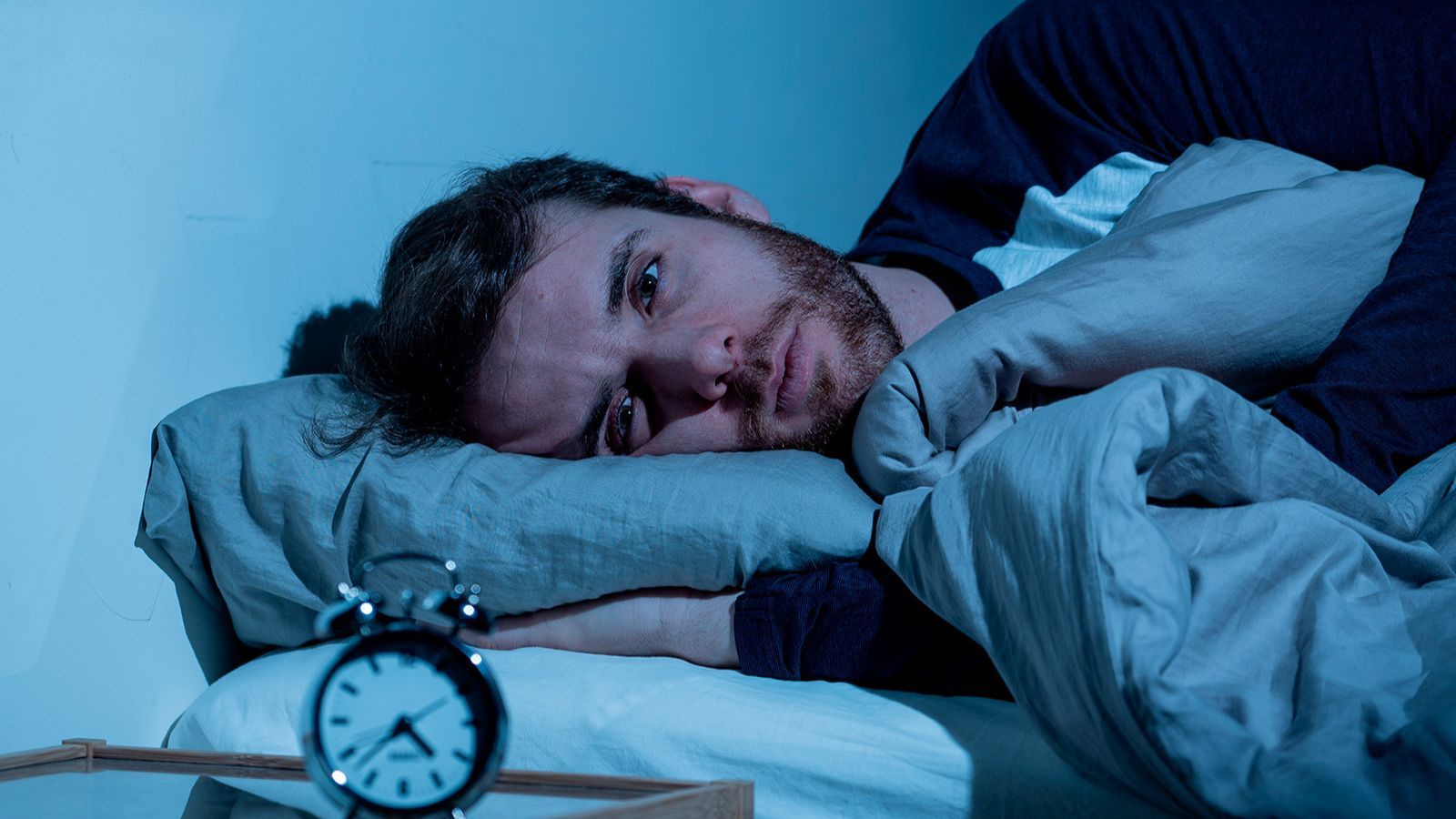
The current pace of life, personal worries, work obligations and even the use of screens until a moment before going to bed are behind most of the problems with falling asleep. According to statistics, insomnia affects between 4 and 22% of adults and is associated with long-term health problems such as cardiovascular disease, diabetes, and depression.
One of the usual reactions in the impediment to sleep is to look at the clock and even, in some cases. Calculate the hours left until the alarm goes off. In this regard, an investigation by a professor at the indiana universityin the United States, it shows that looking at the time while trying to fall asleep aggravates insomnia and leads to an increase in the use of sleeping pills.
The investigation, led by spencer dawsonAssociate Clinical Professor and Associate Director of Clinical Training at the Department of Psychological and Brain Sciences in the College of Arts and Sciencesfocused on a sample of almost 5,000 patients who attend a sleep clinic. In the study, participants completed various questionnaires about the severity of their insomnia, the use of sleep medication and the time they spent monitoring their own behavior while trying to fall asleep. They were also questioned about any psychiatric diagnoses.
“We found that time spent monitoring behavior primarily influences the use of sleep medication because it exacerbates symptoms of insomnia,” Dawson said, adding: “People worry they’re not getting enough sleep, so, They begin to calculate how long it will take to fall asleep again and when they have to get up. That’s not the kind of activity that’s helpful in facilitating your ability to fall asleep—the more stressed you are, the harder it’s going to be to fall asleep.”
As frustration with insomnia increases, people are more likely to turn to sleep aids in an attempt to control their sleep. However, Dawson claims that the research, published in The Primary Care Companion for CNS Disorders, suggests that a simple behavioral intervention could help those with insomnia. “One thing people could do would be to flip or cover their watch, destroy the smartwatch, move the phone away so they’re just not looking at the time, there’s nowhere to look at the watch that’s especially helpful,” is the recommendation of the specialist
by RN
IntroductionFalse advertising undermines consumer trust, distorts competition, and can result in massive financial penalties. Regulators…
Introduction: When Collapse Becomes a CatalystIndustrial cities are frequently anchored by one principal industry—whether steel,…
IntroductionThe survival of a business across centuries is rare. Wars, economic crises, technological disruption, political…
1. Ball LightningBall lightning is a rare atmospheric phenomenon described as a glowing, spherical object…
1. Subscription Model: Predictable Revenue at Global ScaleThe subscription model revolutionized various sectors by turning…
1. Library of Congress (United States)The Library of Congress in Washington, D.C., is widely recognized…