
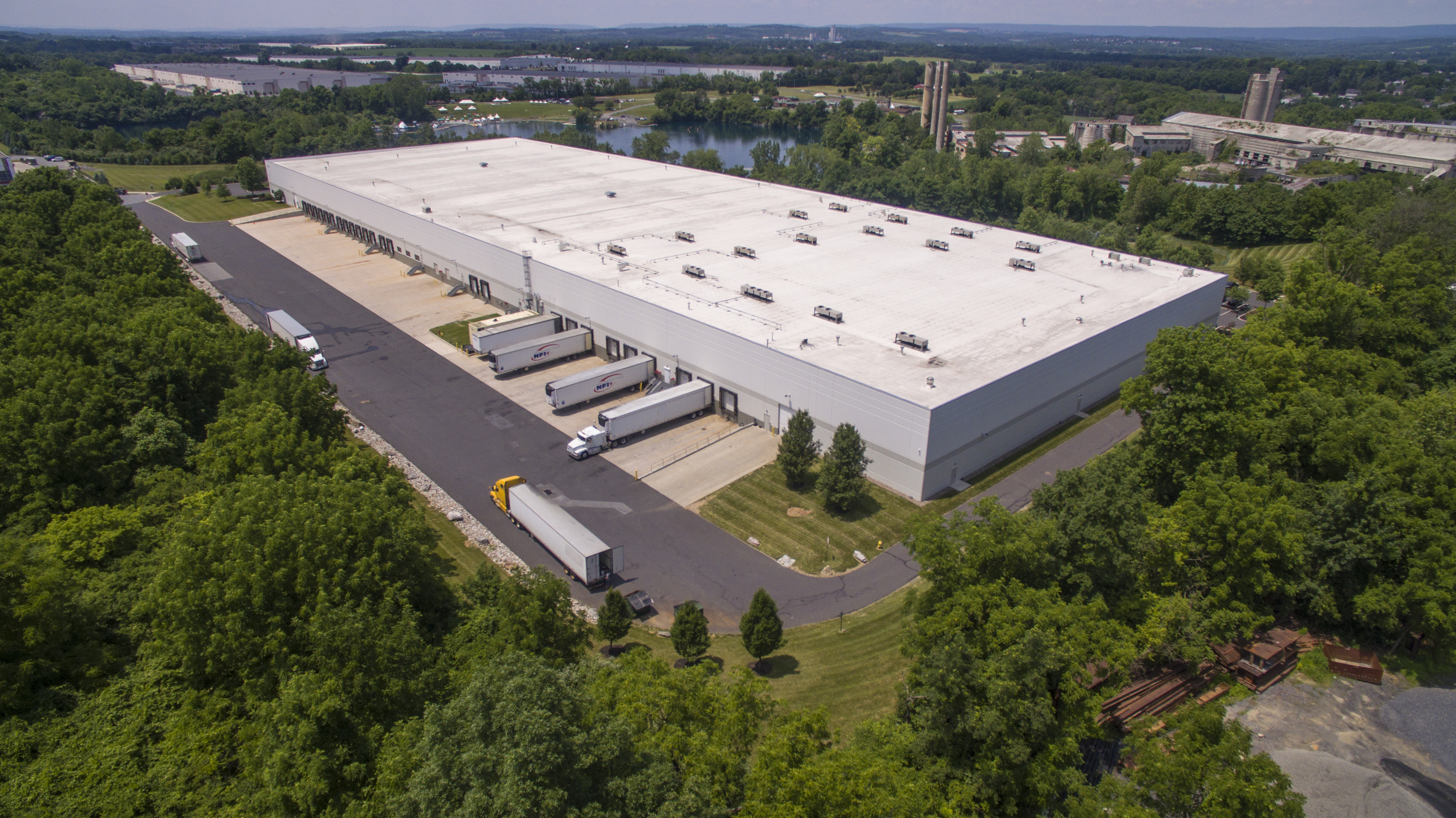

In the intricate realm of international trade, tariffs frequently have a significant impact on economic policies, global supply chains, and the prices that consumers encounter for standard products. However, although much focus is placed on debates about trade restrictions and the duties applied to imports, there is an underappreciated system in the United States that enables companies to evade certain tariffs entirely: Foreign-Trade Zones (FTZs).
These zones, scattered across the country, provide companies with temporary tariff relief under specific conditions, offering flexibility that can significantly impact business operations, costs, and competitiveness. Though largely invisible to the average consumer, FTZs represent a crucial, if understated, component of the American economic landscape.
Currently, the United States hosts more than 250 active Foreign-Trade Zones, along with over 500 subzones, strategically located near ports, industrial hubs, and major transportation routes. Established under the Foreign-Trade Zones Act of 1934, the program was designed to encourage domestic manufacturing, promote exports, and create jobs by reducing the burden of tariffs on imported goods that are processed or assembled within U.S. borders.
The core principle behind these zones is straightforward: goods that enter an FTZ are not subject to U.S. Customs duties unless and until they leave the zone and enter the domestic market. This means that companies operating within an FTZ can store, assemble, manufacture, or re-export goods without immediately incurring tariff costs. If the goods are ultimately exported to other countries, they may avoid U.S. tariffs entirely.
This framework provides strong motivations for companies to establish production and logistics operations within these areas. For instance, an automobile producer that sources parts internationally can import them into an FTZ, construct vehicles, and subsequently decide to either market them in the U.S. or export them to other countries. When exported, the complete goods are exempt from U.S. tariffs entirely. Even when sold within the country, the producer might gain by incurring duties on the lower-cost components instead of the more expensive finished goods.
In a time when global supply chains have become increasingly interconnected, FTZs provide U.S. companies with beneficial resources to stay competitive, especially as international competition and changing trade regulations bring unpredictability to global markets. For certain sectors, including electronics, automotive, pharmaceuticals, and aerospace, engaging in FTZ programs can lead to annual savings worth millions of dollars.
Furthermore, Free Trade Zones assist enterprises in managing temporary alterations in trade regulations, such as the application of tariffs on certain products or nations. In times of rising trade conflicts, firms within these areas frequently enjoy more agility to modify their supply chain plans without instant financial repercussions.
The advantages of FTZs go further than just relieving tariff burdens. These areas assist in simplifying customs processes, lessening documentation, and offering logistical benefits that can speed up delivery schedules and enhance inventory control. Sometimes, businesses can delay paying fees until products leave the zone, enhancing cash flow and boosting operational efficiency.
For local economies, having an FTZ can stimulate development. Regional governments and agencies focused on economic progress frequently support setting up FTZs to draw in investment, generate employment, and improve industrial facilities. Ports especially see an uptick in operations as companies utilize FTZs for warehousing and logistics.
Although they do have benefits, Foreign-Trade Zones can be controversial and face criticism. Some detractors claim that FTZs provide advantages mainly to large multinational companies and offer little help to small and medium-sized businesses. There are also concerns about possible regulatory gaps or unforeseen economic outcomes, such as a decreased need for domestic materials or production.
There is continuous discussion concerning the effects on the environment and workforce regarding FTZs. Since the products manufactured in these areas might be targeted for export instead of local consumption, there are concerns about the conformity of these practices with U.S. labor regulations and environmental safeguards. Even though FTZs must comply with U.S. legislation, the level of enforcement and supervision can differ, especially in areas where economic challenges promote swift industrial growth.
However, for numerous American companies, Free Trade Zones continue to serve as a crucial tactical resource in a fiercely competitive worldwide market. The increasing significance of online commerce, cutting-edge production, and tech-focused sectors has further heightened the appeal of these areas. For instance, prominent logistics firms and distribution hubs, especially those dealing with valuable electronics or medical equipment, often use FTZs to control stock and improve tax liabilities.
The significance of FTZs became even more apparent during the disruptions caused by the COVID-19 pandemic. Supply chain bottlenecks, fluctuating demand, and shifting international trade dynamics underscored the value of operational flexibility. Many companies that had previously overlooked the benefits of FTZs began exploring them as part of their resilience strategies.
The landscape of tariff policy in the United States continues to change, shaped by political changes, economic objectives, and global pacts. The recent emphasis on bringing manufacturing back to the country, decreasing dependence on specific international suppliers, and reinforcing national supply chains has brought new focus to trade policy instruments that can support these objectives. FTZs, by enabling companies to lessen tariff liabilities while keeping operations within the country, fit with wider efforts to enhance U.S. industrial strength.
For those investing, grasping the function of FTZs provides a perspective on the strategic choices enacted by significant corporations, especially within industries sensitive to trade. Businesses that skillfully utilize FTZs could gain a competitive advantage by controlling expenses, enhancing supply networks, and responding to shifts in regulations. On the contrary, companies that don’t exploit these tools might experience a competitive drawback in swiftly evolving markets.
Although the majority of consumers are not familiar with the concept of FTZs, they might indirectly enjoy the advantages these zones provide. Reduced manufacturing expenses can lead to more attractive pricing for products, and heightened industrial activity can stimulate job opportunities and boost economic growth in the region.
Looking forward, advancing and updating the FTZ initiative could become a significant focus for decision-makers who aim to keep American enterprises flexible and competitive in a challenging international market. This might involve attempts to make FTZs more reachable for small enterprises, improve clarity in regulations, and synchronize activities with sustainability objectives.
As trade debates continue on the national stage, with discussions ranging from tariffs on specific industries to broader trade agreements, the quiet yet powerful role of Foreign-Trade Zones remains a key element of the economic conversation. These zones offer a reminder that, even within the framework of protectionist or interventionist trade policies, there exist mechanisms designed to balance competing interests—supporting domestic industries while fostering global commerce.
For the thousands of companies that rely on these zones each day, the ability to temporarily sidestep tariffs isn’t merely a bureaucratic technicality—it’s a vital part of their survival and growth strategies. And as international trade faces new challenges and uncertainties, the presence of hundreds of these temporary tariff-free zones across the United States may continue to shape the future of American business in ways both visible and unseen.